Broken Garage Door Springs Mean Big Problems: When to Replace Yours
When it comes to your garage door's performance, its torsion springs play a key role, and when yours break, your garage door will no longer lift and close to allow you in and out. Garage door springs have a certain shelf life, and every now and then they do require replacement. Understanding when and how to replace your garage door springs can save you time, money, and prevent potential safety hazards. Let's explore the critical signs that indicate your garage door springs need attention and why professional replacement is essential for your home's safety and security.
Understanding Garage Door Springs and Their Function
Garage door springs are the unsung heroes of your garage door system. These powerful components counterbalance the weight of your garage door, making it possible to open and close smoothly whether you're using an automatic opener or manual operation. Without properly functioning springs, your garage door becomes a heavy, immovable object that can pose serious safety risks to you and your family.
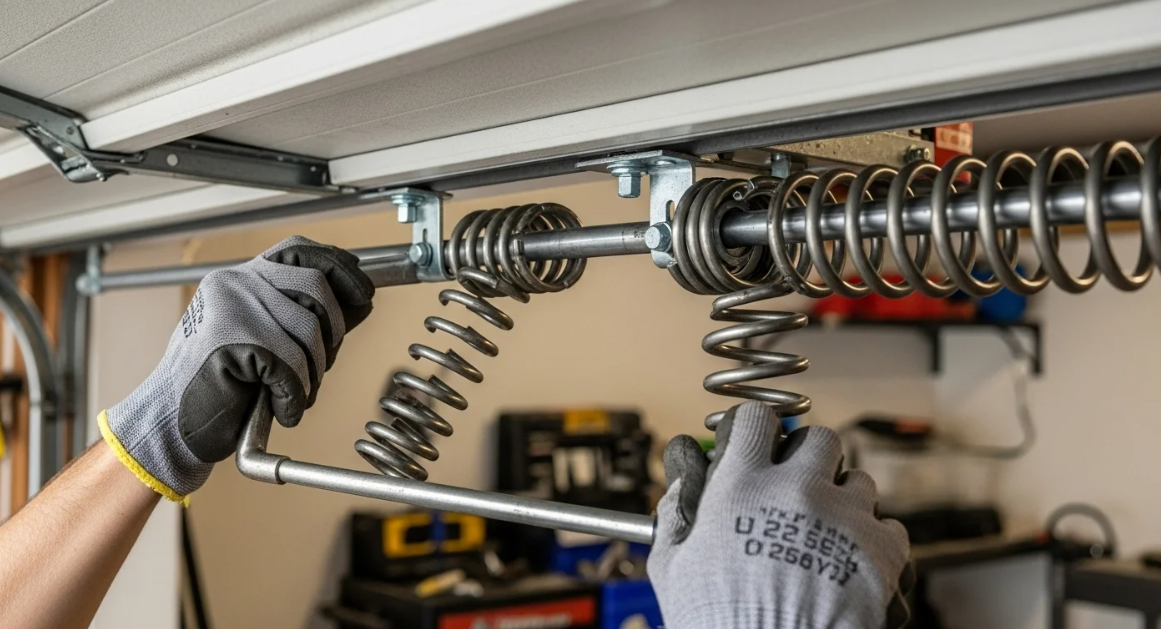
There are two main types of garage door springs: torsion springs and extension springs. Torsion springs are mounted horizontally above the garage door opening and use torque to lift the door. Extension springs, on the other hand, are installed along the upper horizontal tracks on both sides of the door and stretch to provide lifting power. Each type has its own lifespan and maintenance requirements, but both are critical to your garage door's operation.
Signs Your Garage Door Springs Are Broken or Failing
The Door Won't Open or Opens Partially
The most obvious sign of a broken spring is when your garage door refuses to open at all, or only opens a few inches before stopping. When a spring breaks, it loses its ability to counterbalance the door's weight, making it nearly impossible for the opener motor to lift it. In some cases, you might hear the opener motor running, but the door stays put – this is a clear indication that the springs have failed.
Loud Bang or Snapping Sound
Garage door springs are under tremendous tension, and when they break, they often do so with a dramatic bang that sounds like a firecracker or gunshot. This sudden release of stored energy can be startling, especially if it happens in the middle of the night. If you hear this sound coming from your garage, there's a strong possibility that a spring has broken and needs immediate replacement.
Visible Gap in the Spring
A visual inspection of your springs can reveal problems before they lead to complete failure. If you notice a gap of an inch or two in the torsion spring, this indicates that the spring has already broken. The spring may still appear to be in one piece from a distance, but upon closer inspection, you'll see the separation where it snapped under tension.
Door Falls Quickly When Closing
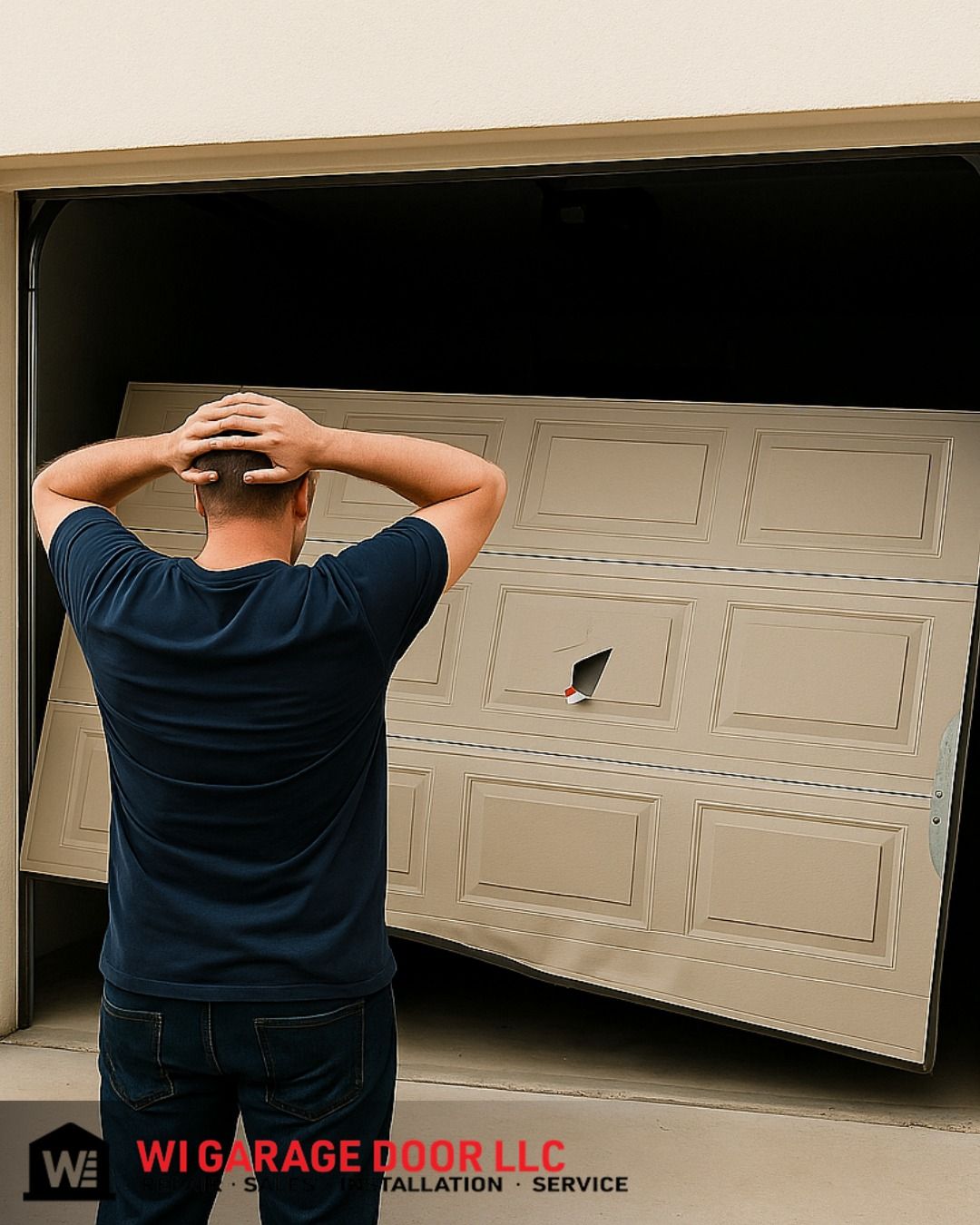
Broken or weakened springs can't properly support your garage door's weight during closing. This results in the door falling rapidly instead of descending smoothly. This is extremely dangerous as a falling garage door can cause serious injury or property damage. If you notice your door closing faster than usual or dropping suddenly, stop using it immediately and call for professional spring replacement.
Why Professional Spring Replacement Is Essential
Safety Concerns
Garage door spring replacement is one of the most dangerous DIY projects a homeowner can attempt. The springs are under extreme tension – typically 200 to 300 pounds or more – and improper handling can result in serious injury or even death. Professional technicians have the specialized tools, training, and experience necessary to safely remove old springs and install new ones without putting themselves or your property at risk.
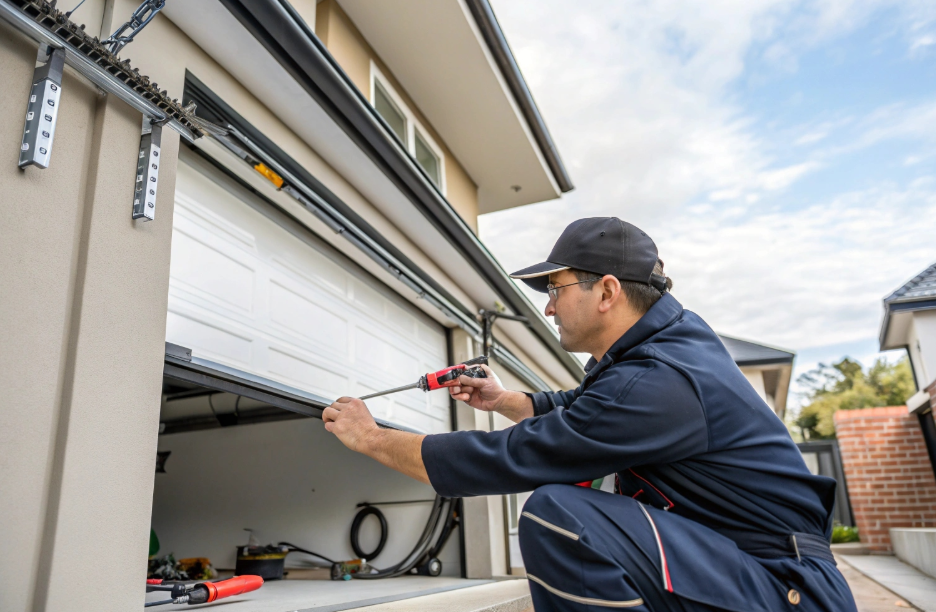
WI Garage Door LLC technicians undergo extensive training specifically for spring replacement procedures. They understand the physics involved, know how to properly measure and select the correct springs for your specific door, and follow strict safety protocols throughout the installation process. This expertise ensures that your new springs are installed correctly and will function safely for years to come.
Proper Spring Selection and Balancing
Not all garage door springs are created equal. The right spring for your door depends on several factors including door weight, height, track radius, and cable drum size. Using the wrong spring can lead to premature failure, poor door performance, or even damage to your opener motor. Professional technicians accurately measure these specifications and select springs that match your door's exact requirements.
After installation, springs must be properly balanced to ensure smooth, safe operation. An improperly balanced door puts excessive strain on the opener, causes uneven wear on other components, and can create safety hazards. Professionals use precise techniques to achieve the perfect balance, testing the door thoroughly before completing the job.
Spring Lifespan and Maintenance
How Long Do Garage Door Springs Last?
Most residential garage door springs are rated for 10,000 to 15,000 cycles, where one cycle equals one complete opening and closing of the door. For the average homeowner who opens their garage door 3-4 times per day, this translates to approximately 7-9 years of service life. However, several factors can affect longevity including climate, frequency of use, and quality of the springs themselves.
High-cycle springs, which are more durable and longer-lasting, are available for homeowners who use their garage doors more frequently. These premium springs can last 25,000 to 100,000 cycles, potentially giving you decades of reliable service. While they cost more initially, the extended lifespan often makes them a worthwhile investment, especially for busy households.
Extending Spring Life Through Maintenance
Regular maintenance can help maximize your garage door springs' lifespan and prevent unexpected failures. Simple tasks like applying lubricant to the springs several times per year reduces friction and wear, keeping them operating smoothly. Use a silicone-based or lithium-based spray specifically designed for garage door components, avoiding petroleum-based products that can attract dirt and cause buildup.
Visual inspections should be part of your routine home maintenance schedule. Look for signs of wear such as rust, gaps, or deformation in the springs. Check that all hardware is tight and properly positioned. If you notice any concerning signs during your inspection, contact a professional for evaluation before the springs fail completely.
The Spring Replacement Process
What to Expect During Replacement
Professional spring replacement typically takes 30 minutes to an hour for a standard residential garage door. The technician will first secure the door to prevent it from falling, then carefully release the tension from the old springs using specialized winding bars. These tools allow controlled unwinding of the spring's stored energy, preventing the sudden, dangerous release that makes DIY attempts so hazardous.
After removing the old springs, the technician will clean the spring shaft and inspect all related components for wear or damage. New springs are then installed and wound to the precise tension required for your door's weight and specifications. The entire system is tested multiple times to ensure perfect balance and smooth operation before the job is complete.
Replacing Both Springs Simultaneously
Even if only one spring has broken, professional technicians typically recommend replacing both springs at the same time. Springs have similar lifespans, so if one has failed, the other is likely near the end of its service life as well. Replacing both springs simultaneously prevents the inconvenience and additional expense of a second service call in the near future when the second spring inevitably breaks.
Additionally, having matched springs ensures proper balance and operation of your garage door. Mixing old and new springs can lead to uneven wear patterns and suboptimal performance. The modest additional cost of replacing both springs is well worth the peace of mind and reliable operation you'll enjoy.
Cost Considerations
Factors Affecting Replacement Cost
The cost of garage door spring replacement varies based on several factors including spring type, door size, and regional labor rates. Torsion spring replacement typically costs more than extension spring replacement due to the additional complexity and safety requirements involved. Larger, heavier doors require stronger springs, which naturally cost more than springs for standard residential doors.
High-cycle springs command a premium price compared to standard-cycle springs, but their extended lifespan often makes them more economical in the long run. When considering replacement options, factor in not just the immediate cost but also the expected service life and potential savings from choosing higher-quality components.
The Value of Professional Service
While professional spring replacement may seem expensive compared to DIY attempts, the value proposition is clear when you consider the risks and potential costs of doing it yourself. Professional service includes proper spring selection, safe installation, thorough testing, and often a warranty on both parts and labor. These benefits, combined with the elimination of personal injury risk, make professional replacement the smart choice for most homeowners.
WI Garage Door LLC provides transparent pricing and detailed explanations of the work required. Our technicians take time to show you the condition of your springs, explain your options, and help you make informed decisions about repairs versus replacement. This educational approach ensures you understand exactly what you're paying for and why it's necessary.
Preventing Spring Failure
Regular Professional Inspections
Annual professional inspections can identify potential spring problems before they lead to complete failure. During these inspections, technicians examine spring condition, test door balance, and check for signs of excessive wear. They can recommend preventive replacement when springs are nearing the end of their expected lifespan, allowing you to schedule the work at your convenience rather than dealing with an emergency situation.
These inspections also catch other potential problems that could affect spring performance, such as worn rollers, damaged cables, or misaligned tracks. Addressing these issues promptly prevents additional strain on your springs and extends their service life.
Proper Usage Habits
How you use your garage door affects spring longevity. Avoid stopping the door partway during operation, as this places unusual stress on the springs. Don't force the door to open or close if you encounter resistance – this could indicate a problem that needs professional attention. Using your emergency release cord only when necessary prevents unnecessary wear on the spring system.
Keep your garage door system clean and properly lubricated. Regular maintenance reduces friction and wear throughout the system, allowing springs to function more efficiently and last longer. Simple care habits performed consistently can add years to your springs' service life.
Conclusion
Broken garage door springs are more than just an inconvenience – they represent a significant safety hazard and can leave your home vulnerable. Recognizing the warning signs of spring failure and understanding the importance of professional replacement helps you address problems promptly and safely. When you notice any signs of spring trouble, contact WI Garage Door LLC for expert evaluation and replacement services. Our experienced technicians will restore your garage door to safe, reliable operation using quality springs properly selected and installed for your specific needs. Don't wait for complete spring failure to take action – proactive replacement and regular maintenance keep your garage door functioning smoothly and your family safe.
Our Services