Emergency Garage Door Repair: Quick Fixes for Opener Failures
Garage doors serve as the unsung heroes of home security and convenience, silently protecting vehicles and providing easy access to homes across Wisconsin. When these essential systems fail, particularly the garage door opener, homeowners often find themselves in urgent need of garage door repair services. Understanding how to identify and address common opener failures can make the difference between a minor inconvenience and a major disruption to daily routines.
Modern garage door systems are complex mechanical assemblies that require regular maintenance and occasional repairs. Whether dealing with a completely non-responsive opener or experiencing intermittent operation issues, knowing the fundamentals of garage door service can help homeowners make informed decisions about when to attempt basic troubleshooting and when to contact professional technicians.
The importance of a properly functioning garage door cannot be overstated. Beyond the obvious convenience factor, a malfunctioning garage door can compromise home security, potentially trap vehicles inside, or create safety hazards for family members. This comprehensive guide explores the most common garage door opener problems and provides practical solutions that homeowners can implement while awaiting professional repair services.
Understanding Your Garage Door Opener System
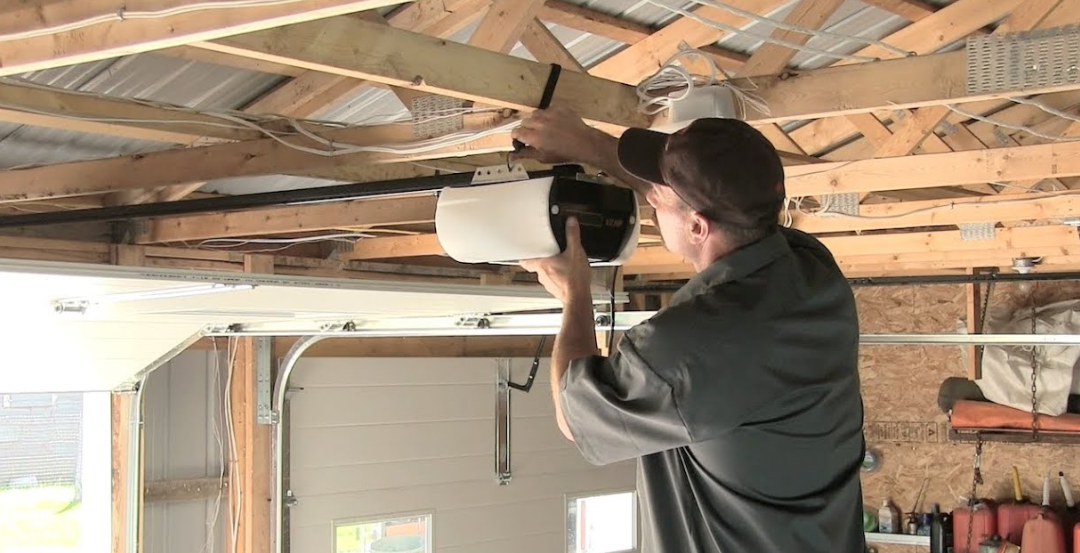
Before attempting any garage door repair, it's crucial to understand the basic components of a garage door opener system. Most residential garage doors operate using either chain-drive, belt-drive, or screw-drive mechanisms, each with specific maintenance requirements and common failure points.
The garage door opener consists of several key components: the motor unit, drive mechanism, safety sensors, limit switches, and remote control receivers. Each component plays a vital role in the overall operation of the system. The motor unit provides the power necessary to lift and lower the door, while the drive mechanism translates that power into mechanical motion.
WI Garage Door LLC has observed that many homeowners underestimate the complexity of modern garage door systems. Today's openers incorporate sophisticated safety features, including automatic reverse mechanisms, rolling code security systems, and backup battery power. These features, while enhancing safety and security, can also introduce additional points of potential failure.
Common Symptoms of Opener Failure
Recognizing the early warning signs of opener failure can help prevent complete system breakdowns. Common symptoms include slow operation, unusual noises during operation, intermittent response to remote commands, and complete failure to respond to controls. Each symptom often points to specific underlying issues that may require different approaches to resolution.
Slow operation typically indicates increased friction in the system, often caused by lack of lubrication, worn rollers, or track misalignment. This symptom shouldn't be ignored, as continued operation under these conditions can lead to motor burnout and the need for extensive repair.
Unusual noises during operation provide valuable diagnostic information. Grinding sounds often indicate worn gears within the opener mechanism, while squealing noises typically suggest insufficient lubrication or worn bearings. Clicking sounds might indicate loose hardware or worn chain components in chain-drive systems.
Immediate Safety Considerations
Safety must always be the top priority when dealing with garage door opener failures. Garage doors are heavy, and the springs that counterbalance their weight store significant energy. Improper handling can result in serious injury or property damage.
Before attempting any repair, ensure the door is in a safe position. If the door is partially open when the opener fails, it may be unstable and could fall unexpectedly. Most garage doors have a manual release mechanism that allows the door to be operated by hand, but this should only be used when absolutely necessary and with proper precautions.
The manual release cord, typically a red handle hanging from the opener rail, disconnects the door from the opener mechanism. This allows manual operation but also means the door's full weight must be supported manually. Never attempt to manually operate a garage door with broken springs, as the door will be extremely heavy and difficult to control. For spring-related issues, see our guide on spring replacement dos and don'ts.
Emergency Temporary Solutions
When facing an opener failure, several temporary solutions can restore basic functionality while awaiting professional garage door repair services. These solutions are designed for temporary use and should not replace proper repairs.
For doors that won't respond to remote controls, first check the most obvious solution: replace the batteries in the remote control. Weak batteries are responsible for a surprising number of service calls, and this simple fix can immediately restore operation.
If the remote control still doesn't work after battery replacement, try operating the door using the wall-mounted control button. If the door responds to the wall button but not the remote, the issue is likely with the remote control or receiver unit rather than the opener itself.
Manual operation may be necessary in emergency situations. To manually operate the door, first ensure the opener is disconnected from power to prevent unexpected activation. Then, pull the manual release cord to disconnect the door from the opener. The door can then be lifted and lowered by hand, though this requires significant effort and should only be done when necessary.
Diagnostic Procedures for Common Problems
Systematic diagnosis is essential for effective garage door repair. Rather than randomly trying different solutions, a methodical approach helps identify the root cause of problems and leads to more effective repairs.
Start diagnostic procedures by observing the door's behavior carefully. Note whether the problem affects both opening and closing operations or just one direction. Pay attention to any unusual sounds, vibrations, or visible mechanical issues during operation attempts.
Check the power supply to the opener unit. Verify that the unit is plugged in and that the electrical outlet is functioning. Many opener failures are simply due to power interruptions or loose connections. Circuit breakers may have tripped, particularly if the opener has been working harder due to mechanical problems.
Inspect the door's balance by disconnecting the opener and manually lifting the door. A properly balanced door should stay in place when lifted partially and should be relatively easy to lift completely. If the door is difficult to lift or won't stay in position, the springs may need adjustment or replacement. For more on this, see our comprehensive guide on understanding spring replacement.
Troubleshooting Electrical Issues
Electrical problems are among the most common causes of garage door opener failures. Many electrical issues can be diagnosed and resolved by homeowners with basic electrical knowledge and proper safety precautions.
Circuit breaker trips are often the first sign of electrical problems. If the opener's circuit breaker has tripped, there may be an underlying electrical issue causing excessive current draw. Reset the breaker, but if it trips again immediately, discontinue use and contact WI Garage Door LLC for professional diagnosis.
Loose electrical connections can cause intermittent operation or complete failure. Check all visible connections for tightness and signs of corrosion. Pay particular attention to the connections where the opener power cord plugs into the outlet and where the wall control button connects to the opener.
Motor overheating can cause the opener to shut down temporarily. Most modern openers have thermal protection that prevents motor damage from overheating. If the opener stops working after extended use, allow it to cool for 15-30 minutes before attempting operation again.
Mechanical Troubleshooting Techniques
Mechanical problems often manifest as unusual noises, slow operation, or complete failure to move the door. These issues typically involve the drive mechanism, hardware wear, or door balance problems.
Drive mechanism problems vary depending on the opener type. Chain-drive openers may suffer from chain stretch, worn sprockets, or inadequate lubrication. Belt-drive systems can experience belt wear, stretching, or tracking problems. Screw-drive openers may develop worn drive nuts or bent screws.
Lubrication is crucial for smooth operation. Most garage door opener manufacturers recommend specific lubricants for different components. Over-lubrication can attract dirt and debris, while under-lubrication causes increased friction and wear. Follow manufacturer guidelines for lubrication frequency and types. For complete maintenance guidance, see our ultimate maintenance guide.
Hardware wear is a common source of mechanical problems. Rollers, hinges, and tracks experience constant use and will eventually wear out. Worn rollers can cause binding, noise, and increased friction. Damaged hinges can cause door misalignment and poor operation.
Safety Sensor Troubleshooting
Safety sensors are critical components that prevent garage doors from closing on objects or people. When these sensors malfunction, they can prevent normal door operation or compromise safety.
Modern garage door openers use photoelectric sensors that project an invisible beam across the door opening. When this beam is broken, the door immediately stops and reverses direction. These sensors are typically mounted on both sides of the door opening, approximately 6 inches above the floor.
Sensor alignment is crucial for proper operation. The sensors must be precisely aligned so that the beam travels directly from the transmitter to the receiver. Even minor misalignment can cause the sensors to malfunction. Check alignment by observing the indicator lights on the sensors – most systems use LED lights to indicate proper alignment and beam continuity.
Dirty sensor lenses can interfere with beam transmission. Clean the lenses with a soft, dry cloth to remove dust, dirt, or spider webs. Avoid using harsh cleaners or abrasive materials that might damage the lenses.
When to Call Professional Services
While many garage door opener problems can be addressed through basic troubleshooting, certain situations require professional intervention. Recognizing when to call for professional garage door service can prevent safety hazards and avoid costly damage.
Electrical problems beyond basic troubleshooting should be handled by qualified technicians. Issues involving the opener's electrical system, motor problems, or circuit breaker trips may require specialized knowledge and tools. Attempting electrical repairs without proper training can be dangerous and may violate local electrical codes.
Spring problems require professional attention due to the high tension involved. Garage door springs store significant energy and can cause serious injury if handled improperly. Any spring-related issues should be addressed by experienced technicians from WI Garage Door LLC. For more information about cable systems that work with springs, read our guide on mastering cable replacement.
Complex mechanical problems often require specialized tools and expertise. Issues involving the drive mechanism, gear wear, or motor problems may be beyond the scope of typical homeowner repairs. Professional technicians have the training and equipment necessary to diagnose and repair these complex issues safely and effectively.
Emergency situations, such as doors that won't open or close at all, may require immediate professional attention. WI Garage Door LLC offers emergency repair services to restore security and functionality when urgent situations arise. Contact us at (920) 489-5820 for fast, reliable emergency garage door repair in Green Bay and surrounding areas.
Preventive Maintenance for Long-Term Reliability
Regular maintenance is the key to preventing garage door opener failures and extending system life. A systematic maintenance approach can identify potential problems before they cause complete system failure.
Monthly visual inspections should include checking the door balance, observing operation for unusual sounds or movements, and testing safety features. Look for signs of wear, damage, or misalignment that might indicate developing problems.
Professional maintenance services can identify and address issues that homeowners might miss. Annual professional inspections by WI Garage Door LLC can help maintain optimal performance and identify potential problems before they cause failures. Combined with homeowner awareness and basic troubleshooting skills, professional service provides the best approach to garage door opener reliability.
The investment in professional garage door service pays dividends in system reliability, safety, and longevity. While basic troubleshooting skills are valuable, the expertise and equipment that professional technicians bring to complex problems ensure optimal system performance and continued safe operation for years to come.
Our Services