Maximizing Efficiency in Garage Door Repair: Speeding Up Opener Fixes
Garage door opener problems can bring your daily routine to a frustrating halt. When your opener malfunctions, every minute counts—especially during rushed mornings or late returns home. Understanding how to maximize efficiency in opener repairs helps minimize downtime while ensuring safe, reliable operation.
This comprehensive guide explores proven strategies for speeding up opener diagnostics and repairs while maintaining quality and safety standards. From systematic troubleshooting to having the right tools ready, these techniques help both homeowners and professionals resolve opener issues quickly and effectively.
Systematic Diagnostic Approach
Efficient opener repair begins with methodical diagnosis rather than random component replacement. Start with the simplest potential causes: check if the opener is receiving power, test the remote batteries, and verify the wall switch functions properly. These quick checks often reveal the problem within minutes without any disassembly required.
Next, observe the opener's behavior patterns. Does it hum without moving? This suggests motor engagement with mechanical resistance—likely spring imbalance or track obstruction. Does it start then stop? Check limit switch settings and safety sensor alignment. Click without any sound? Inspect circuit boards and electrical connections. Each symptom points to specific potential issues, streamlining your diagnostic process.
Professional technicians follow decision trees that eliminate potential causes systematically. By testing components in logical sequence—power supply, sensors, limit switches, motor, then mechanical connections—they identify problems efficiently without unnecessary disassembly. Understanding expert tips for garage door opener repair provides framework for systematic diagnosis.
Essential Tools and Preparation
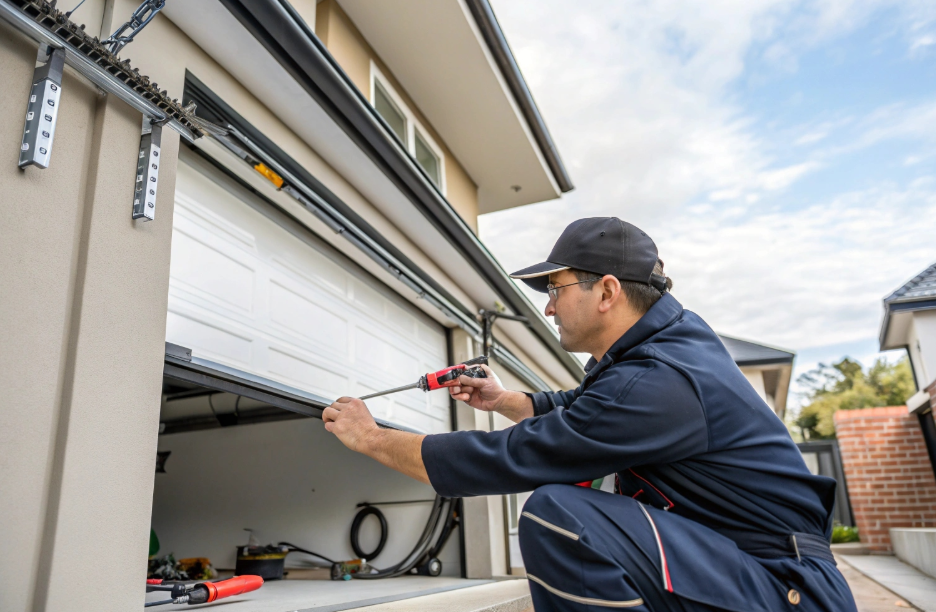
Having the right tools immediately accessible dramatically reduces repair time. Keep a dedicated opener repair kit containing: multimeter for electrical testing, socket set for mounting hardware, screwdrivers (Phillips and flathead), winding bars if you're a professional (never for DIY spring work), replacement fuses, spare batteries, and white lithium grease for moving parts.
Pre-diagnosis preparation saves additional time. Before climbing ladders or opening panels, disconnect power at the breaker—never just unplug the unit. Gather flashlight, ladder, and tools so everything's within reach. Clear the garage floor area beneath the opener for safe ladder placement and dropped component retrieval.
Professionals maintain inventory of common replacement parts: logic boards for popular opener models, photo-eye sensors, drive gears, and belt/chain segments. Having these on hand eliminates waiting for parts delivery, completing repairs in single visits. Learn about troubleshooting garage door opener repair to understand common failure points.
Quick Fixes for Common Issues
Many opener problems have simple solutions requiring minimal time. Remote not working? Replace batteries first—sounds obvious, but it's often overlooked. Reprogram the remote if battery replacement doesn't help; most openers enter programming mode via sequence of button presses detailed in manuals.
Photo-eye sensor issues cause frequent service calls but often resolve quickly. Clean lens covers with soft cloth—dust and spider webs commonly block beams. Verify sensors face each other directly; even slight misalignment prevents operation. Check wiring connections at sensor bases; loose wires cause intermittent failures.
Limit switch adjustment fixes doors that don't close completely or reverse prematurely. These switches tell the opener when the door reaches fully open or closed positions. Simple screwdriver adjustment of limit dials corrects travel distance without component replacement. Discover what common garage door noises mean for repairs to identify issues by sound.
When Professional Help Saves Time
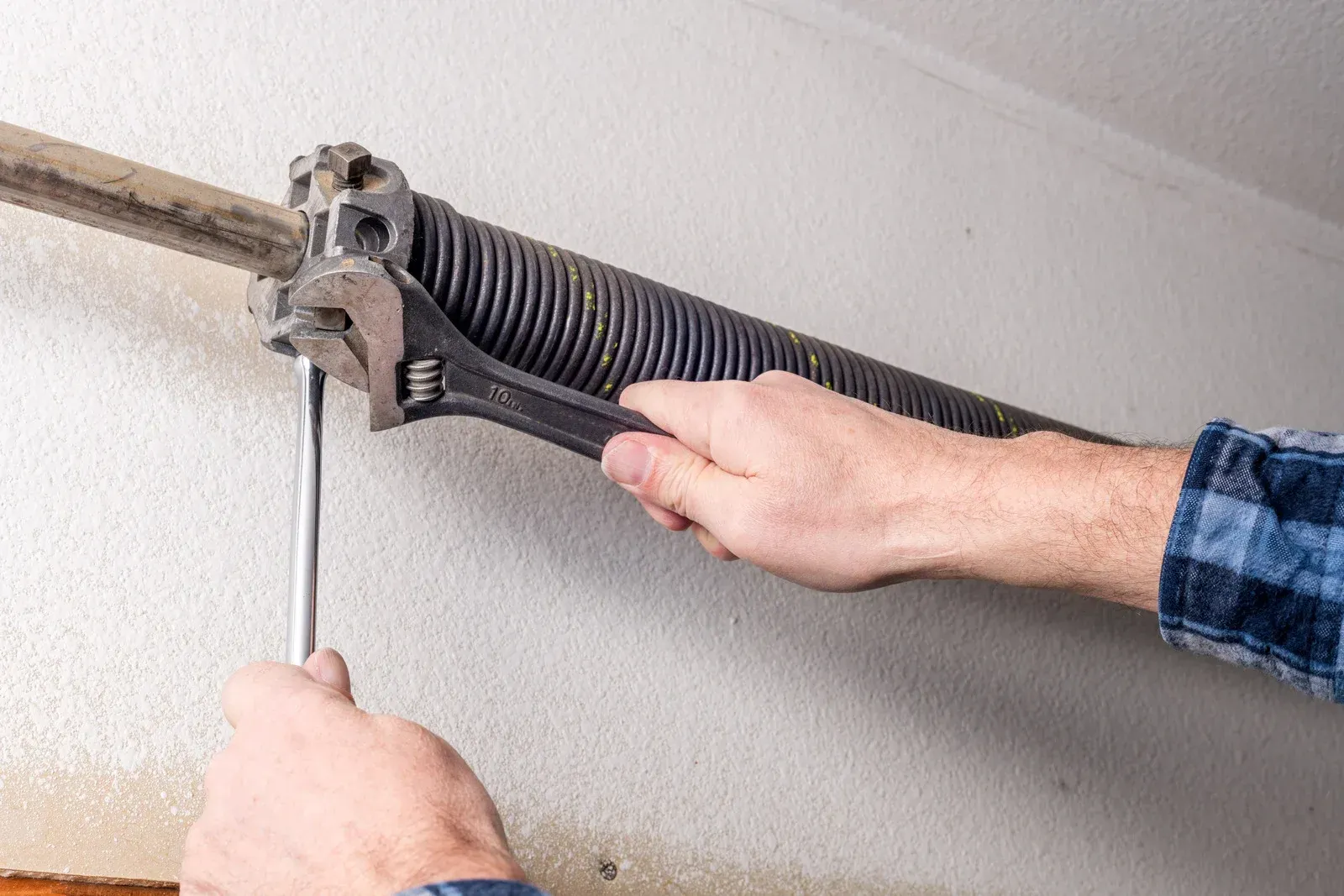
While quick fixes handle many issues, certain problems require professional expertise for efficient resolution. Spring-related problems demand professional service—attempting DIY spring work wastes time at best and causes serious injury at worst. If your opener runs but the door won't move, don't troubleshoot the opener; the problem is mechanical balance requiring expert spring service.
Complex electrical failures also benefit from professional diagnosis. Logic board issues require specialized testing equipment and replacement board programming. Motor failures need proper replacement matching door weight and usage requirements. Professionals complete these repairs efficiently with correct parts and calibrated installation.
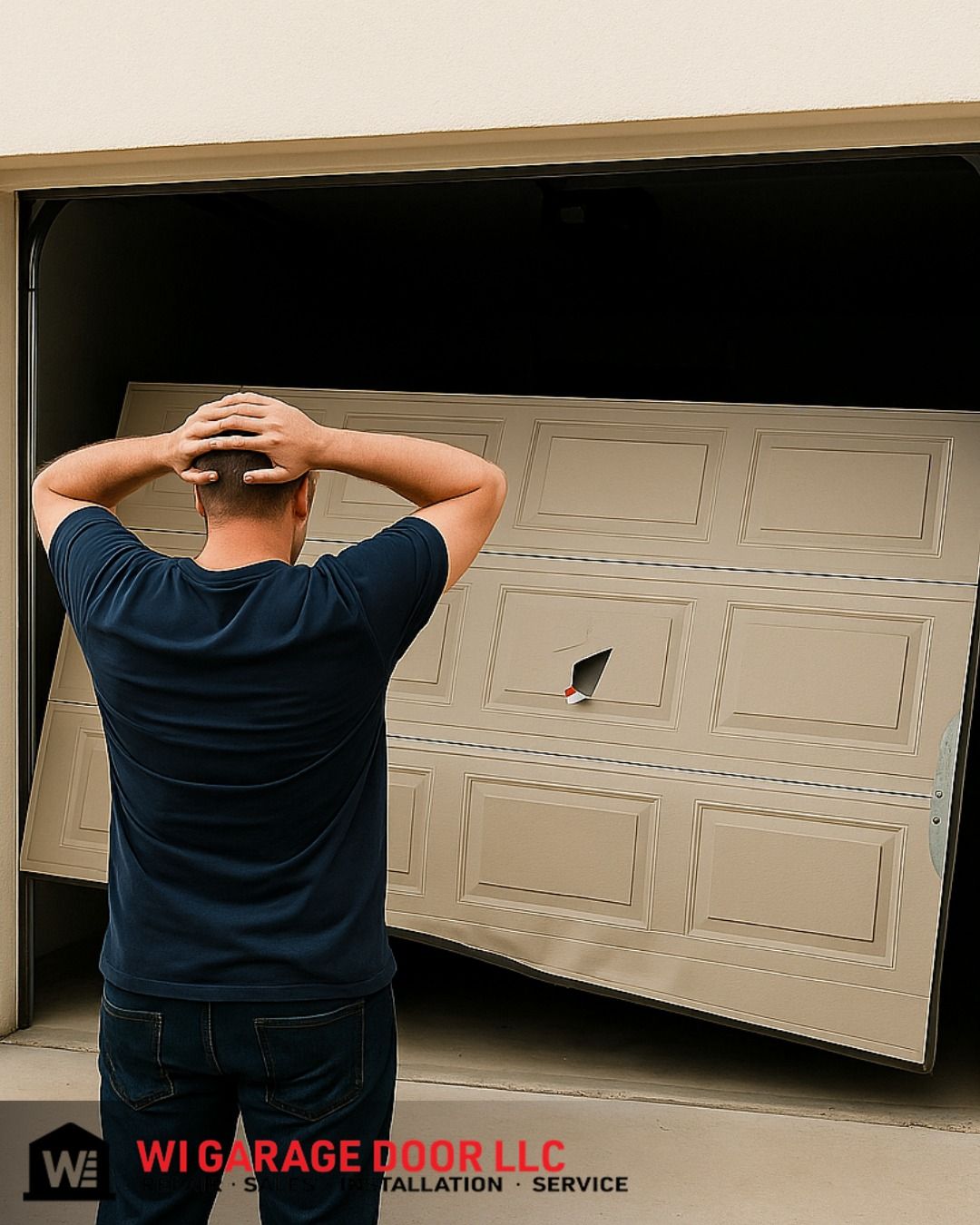
Emergency situations especially warrant professional service. Broken springs, doors off tracks, or complete system failures create safety hazards requiring immediate expert attention. Professionals arrive equipped with all necessary parts and tools, completing repairs in single visits. Learn when to call for garage door repair to maximize efficiency and safety.
Preventive Maintenance for Long-Term Efficiency
The most efficient repair is the one you prevent entirely. Monthly visual inspections identify developing problems before they cause failures. Check hardware for loose bolts, listen for unusual sounds during operation, and test safety reversal features regularly.
Lubrication every six months prevents many opener problems. Apply white lithium grease to chain/belt drive mechanisms, rollers, and hinges. Avoid WD-40—it attracts dirt and degrades over time. Proper lubrication reduces friction, decreasing strain on opener motors and extending component life.
Annual professional inspections catch problems early. Technicians test all safety features, adjust limit switches, verify sensor alignment, check electrical connections, and assess overall system condition. This preventive approach identifies minor issues before they become major failures, maximizing long-term efficiency. Understanding how to prevent accidents with regular garage door service and maintenance protects both efficiency and safety.
Conclusion
Maximizing efficiency in garage door opener repair combines systematic diagnosis, proper preparation, quick-fix knowledge, and knowing when to call professionals. By following logical diagnostic sequences, maintaining essential tools, addressing common issues promptly, and investing in preventive maintenance, you minimize downtime while ensuring safe, reliable operation. Remember that efficiency never means cutting corners on safety—especially with spring-related repairs that always demand professional expertise.