A Beginner's Guide to DIY Garage Door Spring Replacement
CRITICAL SAFETY WARNING: This guide is for educational purposes only. Garage door spring replacement is one of the most dangerous home repair tasks and causes thousands of serious injuries annually, including fatalities. Springs store extreme tension capable of causing severe injury or death if mishandled. We strongly urge all homeowners to hire certified professionals for spring replacement.
Understanding how garage door springs work and what's involved in replacement can help you make informed decisions about maintenance and professional service. However, this knowledge should never be mistaken for qualification to attempt this extremely dangerous repair yourself.
This comprehensive beginner's guide explains the mechanics, types, and replacement process so you can appreciate why professional installation is absolutely essential—and potentially life-saving.
Understanding Garage Door Spring Systems
Garage door springs are the hardest-working components of your door system, counterbalancing the full weight of the door (typically 150-400 pounds) to enable smooth operation. Without properly functioning springs, your garage door opener motor would be unable to lift the door—the springs do the actual heavy lifting, while the opener simply guides the motion.
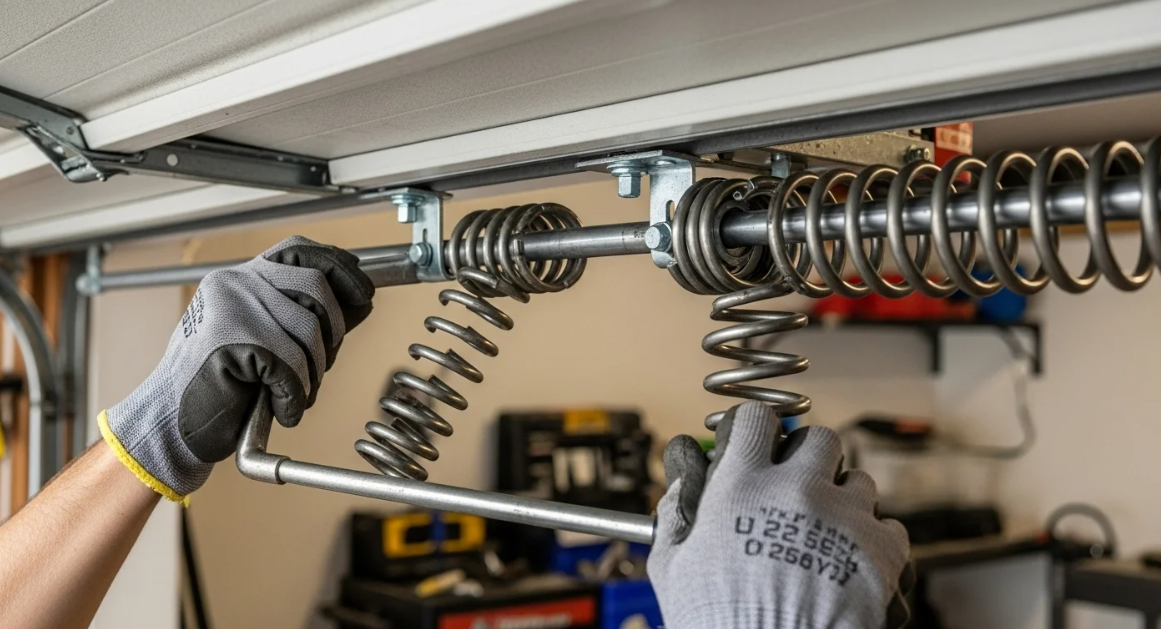
There are two main spring types: torsion springs and extension springs. Torsion springs mount horizontally above the door opening, winding around a metal shaft to store and release energy through rotational force. Extension springs stretch along the horizontal tracks on each side, extending and contracting with door movement. Learn about understanding the different types of garage door springs for replacement to identify your system.
Torsion springs typically last 15,000-30,000 cycles (7-15 years for most households) and provide smoother, quieter operation. Extension springs last 10,000-15,000 cycles but are less durable and balanced. Both types store tremendous tension—the very characteristic that makes them effective also makes them extremely dangerous when that tension releases unexpectedly.
Why Professional Installation Is Non-Negotiable
The garage door industry, insurance companies, safety organizations, and emergency room physicians unanimously agree: spring replacement demands professional service. Here's why this consensus is so strong:
Extreme Danger: Torsion springs store enough energy to cause fatal injuries. When released improperly, they can strike with bone-breaking force, cause traumatic brain injuries, or prove lethal. Thousands of people are hospitalized annually from DIY spring accidents—many suffering permanent disabilities or worse.
Specialized Equipment Required: Professional replacement requires solid steel winding bars specifically designed for this purpose, calibrated tension gauges, specialized safety equipment, and tools most homeowners don't possess. Using makeshift tools like screwdrivers or pry bars has resulted in countless severe injuries.
Technical Precision: Proper spring replacement requires precise measurements, exact tension calibration (typically 7-9 quarter-turns per foot of door height), and perfect balance. Improperly tensioned springs cause premature opener failure, uneven wear, and dangerous system instability. Professionals achieve this precision through years of training and calibrated equipment.
Comprehensive Service: Professional technicians inspect your entire door system during replacement—cables, drums, bearings, tracks, and opener integration—identifying potential failures before they occur. They provide warranties on parts and labor, carry liability insurance, and guarantee safe, reliable operation.
The typical cost of professional spring replacement ($150-$350) is minimal compared to average medical costs for DIY spring injuries (often $10,000-$50,000+), plus lost work time and the immeasurable cost to your family if tragedy strikes. Understanding garage door spring replacement cost helps you budget for this essential professional service.
Understanding the Professional Process
While you should never attempt this repair yourself, understanding the professional replacement process helps you appreciate the complexity and danger involved:
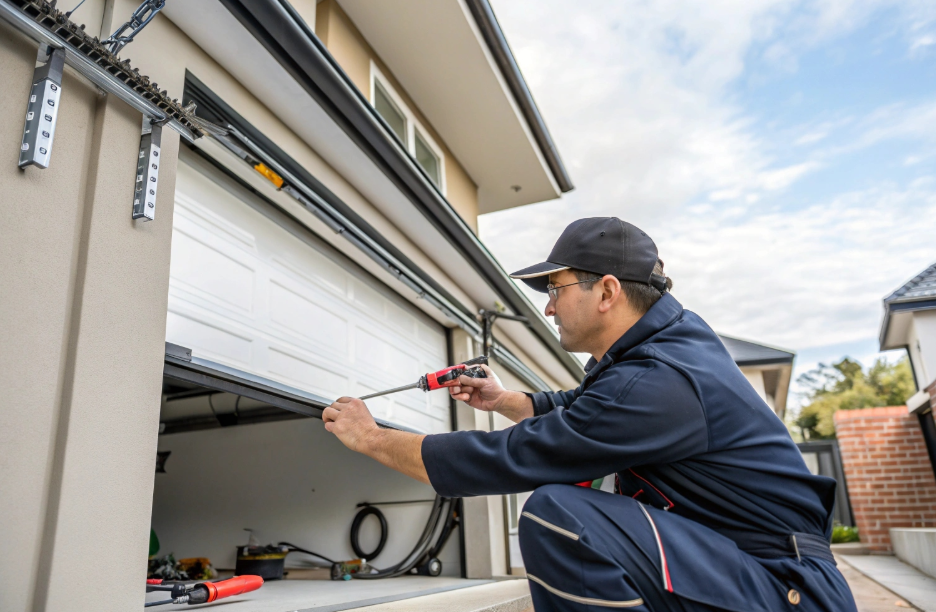
Step 1: Assessment and Preparation - Certified technicians begin by disconnecting the garage door opener and securing the door in the closed position using C-clamps or vise grips. They assess the existing spring system, measure door weight and height, and determine correct replacement spring specifications.
Step 2: Safe Tension Release - Using specialized solid steel winding bars, technicians carefully release spring tension following precise safety protocols developed through extensive training. This is the most dangerous step—requiring exact technique to prevent catastrophic spring release.
Step 3: Component Inspection - Old springs are removed from the torsion shaft, and all related components are thoroughly inspected. Cables, drums, bearings, and tracks are examined for wear or damage. Any compromised parts are replaced during this service to prevent future failures.
Step 4: Precision Installation - New springs with correct specifications are installed, then wound to exact tension using calibrated tools and years of experience. This precision ensures proper door balance, optimal performance, and maximum spring lifespan.
Step 5: Comprehensive Testing - The opener is reconnected and tested through multiple cycles. Technicians perform balance testing, adjust limit switches, verify safety sensor function, and ensure complete system integration. Learn about the comprehensive torsion spring replacement process professionals follow.
Safe DIY Maintenance Activities
While spring replacement should always be left to professionals, there are safe maintenance activities homeowners can perform to extend spring life and identify when professional replacement is needed:
Monthly Visual Inspections: Look for visible gaps between spring coils, rust formation, or unusual stretching. Check cables for fraying and track alignment for smooth operation. These visual checks are completely safe and help you spot problems early.
Balance Testing: Disconnect the opener and manually lift the door halfway. If it stays in place, springs are balanced. If it falls or rises, they need professional attention. This simple test reveals spring condition without dangerous spring manipulation. Learn how to spot when your garage door springs need replacing.
Regular Lubrication: Every six months, apply silicone-based spray lubricant to springs, rollers, hinges, and tracks. Never use WD-40, which attracts dirt and gums up mechanisms. Proper lubrication reduces wear and extends component life.
Hardware Inspection: Check and tighten any loose bolts or roller brackets. Vibrations can loosen hardware over time, causing operational issues. This simple maintenance prevents many common problems.
Understanding how to prevent accidents with regular garage door service and maintenance includes knowing which activities are safe for homeowners and which demand professional expertise.
Conclusion: Choose Safety, Choose Professionals
This beginner's guide has provided educational information about garage door spring systems and replacement processes. However, the overwhelming message from every safety organization, insurance company, industry expert, and medical professional is clear: hire a certified professional for spring replacement.
The extreme danger, specialized equipment requirements, and technical precision needed make DIY spring replacement an unacceptable risk. Professional installation costs a fraction of potential medical bills and provides peace of mind through warranties, insurance coverage, and guaranteed safe operation.
Protect yourself and your family by choosing professional service. Your garage door system is a major investment protecting your vehicles, possessions, and loved ones. Trust it only to qualified experts who guarantee safe, reliable results. Learn when to call for garage door repair and why spring issues always require professional service.