DIY Garage Door Spring Replacement: Safety Tips and Techniques
Garage door spring replacement represents one of the most critical maintenance tasks homeowners face, requiring careful attention to safety protocols and proper techniques. Understanding the complexities of this process can help determine whether to tackle the job independently or seek professional assistance from experienced technicians. The garage door system relies heavily on properly functioning springs to operate smoothly and safely.
When these components fail, the entire system becomes compromised, potentially creating hazardous conditions. Broken garage spring situations demand immediate attention, as they can render the door inoperable or dangerous to use. Modern garage doors depend on sophisticated spring mechanisms that store and release tremendous amounts of energy with each operation.
Understanding Garage Door Spring Systems
Garage door springs serve as the primary force-generating components that counterbalance the weight of heavy garage doors. These mechanical devices store energy when the door closes and release it when opening, making manual operation possible even for doors weighing several hundred pounds. Two primary spring configurations dominate residential garage door installations: extension springs and torsion springs.
Extension springs stretch and contract along the door tracks, while torsion springs twist around a horizontal shaft above the door opening. Each system presents unique challenges and safety considerations during garage spring repair procedures. The tension involved in these systems creates significant safety concerns that must be addressed before attempting any repair work.
Spring Failure Warning Signs
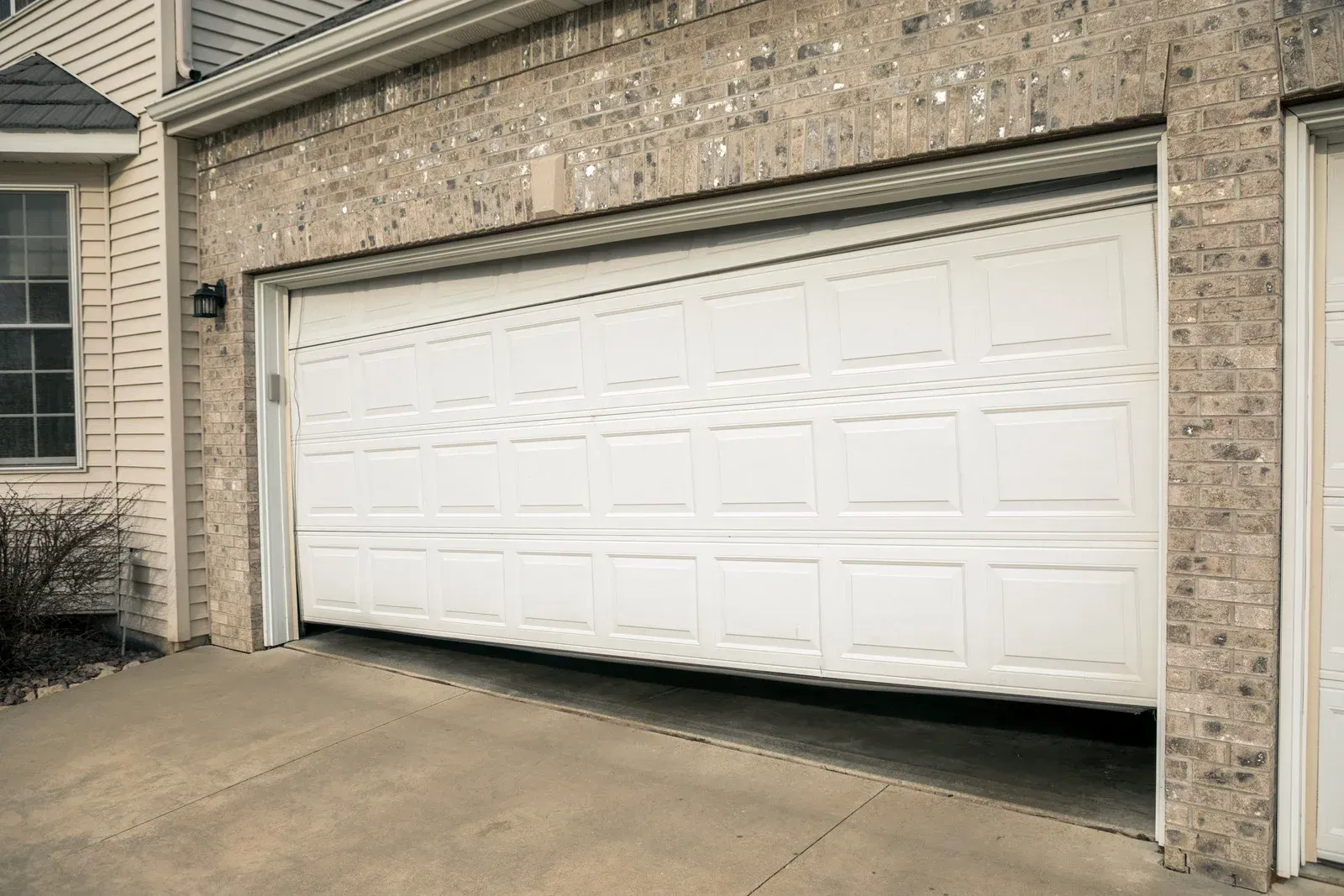
Recognizing early warning signs of spring failure can prevent more serious problems and reduce emergency garage spring repair situations. Common indicators include unusual noises during operation, visible gaps in coil springs, or doors that open unevenly or with difficulty. When garage door not opening issues arise, spring problems often represent the underlying cause.
Doors may appear unusually heavy when operated manually, or automatic openers may struggle to lift the door completely. These symptoms suggest diminished spring tension that requires prompt attention. Visual inspection can reveal obvious spring damage, including broken coils, stretched springs, or visible wear patterns. For comprehensive troubleshooting guidance, refer to our common repair issues guide.
Safety Protocols for Spring Replacement
Safety must remain the absolute priority during any garage door spring replacement procedure. The forces involved in these systems can cause severe injury or death if proper precautions are not observed. Understanding and implementing comprehensive safety measures represents the foundation of successful DIY spring work.
Personal protective equipment forms the first line of defense against spring-related injuries. Safety glasses protect against flying debris or broken spring fragments, while work gloves provide grip and hand protection. Sturdy work boots offer foot protection and stability during the replacement process. Proper tool selection proves crucial for safe spring replacement procedures.
Winding bars specifically designed for garage door springs provide the leverage and control necessary for safe tension adjustment. Using improvised tools or inappropriate equipment significantly increases injury risk and should be avoided completely. Having a qualified assistant present during spring replacement procedures is crucial for safety.
Professional vs. DIY Considerations
The decision between professional garage door spring replacement and DIY approaches involves multiple factors that extend beyond simple cost considerations. Safety risks, tool requirements, warranty implications, and long-term system performance all influence the optimal approach for individual situations.
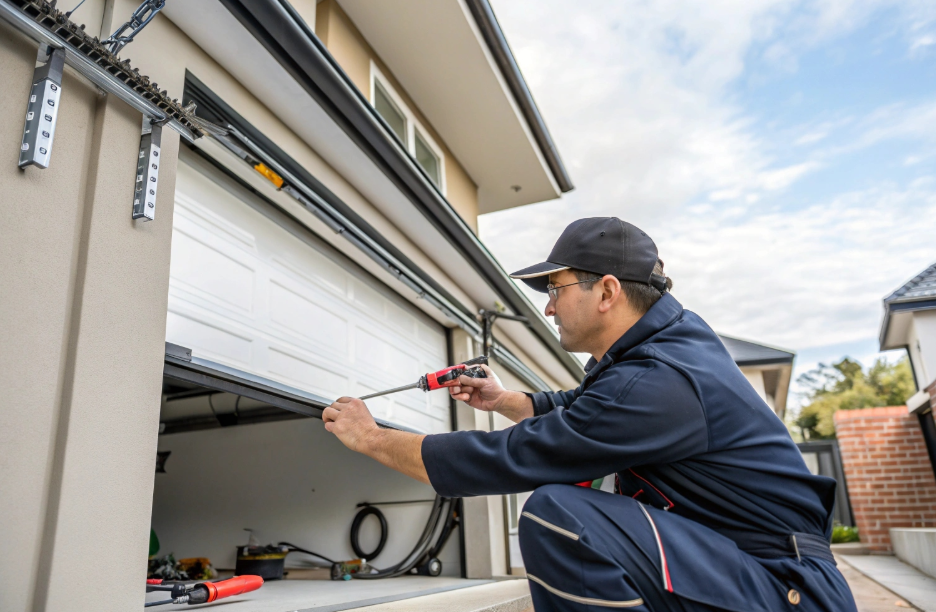
Professional technicians possess specialized training, experience, and equipment that enable safe, efficient spring replacement procedures. DIY approaches may seem cost-effective initially, but hidden costs can quickly accumulate. Specialized tools, replacement parts, and potential system damage from improper installation can exceed professional service costs.
Time considerations also influence the professional versus DIY decision. Professional technicians can typically complete spring replacement procedures in a fraction of the time required for DIY approaches. This efficiency minimizes disruption to daily routines and reduces the duration of safety risks. For expert installation services, explore our professional garage door service offerings.
Emergency Situations and Professional Response
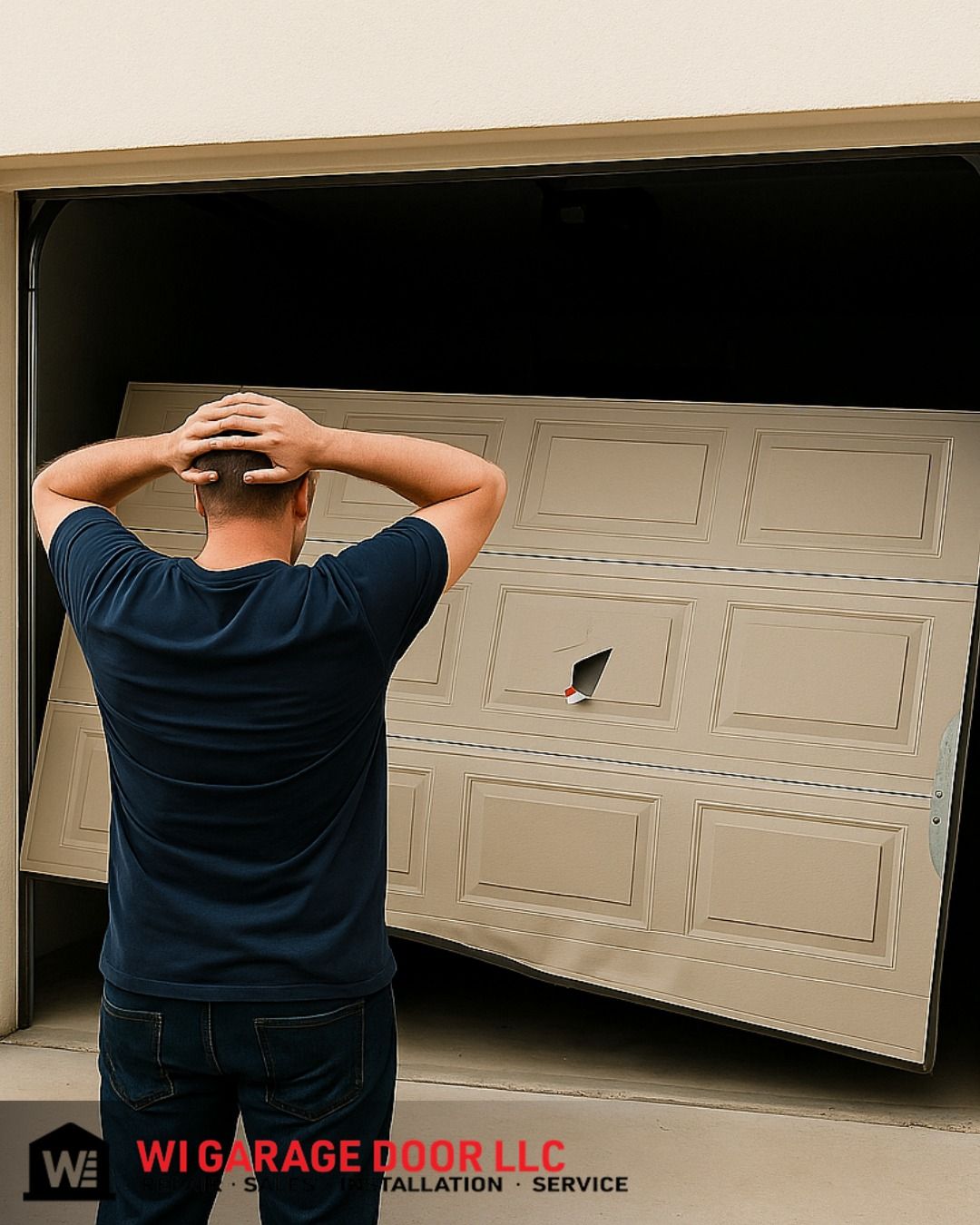
Emergency garage spring repair situations require immediate attention to address safety concerns and restore door functionality. Professional services provide rapid response capabilities that minimize disruption and ensure safe, effective repairs. When garage door not opening emergencies arise, professional technicians can quickly diagnose the problem and implement appropriate solutions.
Emergency response services typically include temporary safety measures and expedited permanent repairs. Emergency situations often involve additional safety considerations that require professional expertise. Partially failed springs, damaged cables, or misaligned doors can create hazardous conditions that demand specialized knowledge and equipment for safe resolution.
The complexity of garage door spring replacement demands careful consideration of safety, technical requirements, and long-term performance factors. While DIY approaches may seem appealing, the risks and challenges involved often make professional services the more prudent choice. Professional service provides comprehensive spring replacement services that prioritize safety, quality, and customer satisfaction.