
How Garage Door Springs Work to Counterbalance the Weight of the Door

Garage door springs are engineered to handle the heavy lifting required to open and close the door smoothly. These high-tension components act as a counterbalancing system, distributing the weight of the door evenly so that it doesn't rely solely on the garage door opener.

Without properly functioning springs, the door would be difficult, if not impossible, to operate manually. Understanding how these springs function can help homeowners recognize when a garage door spring replacement is needed to maintain the efficiency and reliability of their garage door system.

Torsion and Extension Spring Mechanisms

Garage doors typically use either torsion springs or extension springs to support movement. Torsion springs are mounted above the door and twist as the door moves, providing a controlled and even counterbalance. Extension springs, on the other hand, are located on the sides and stretch when the door is opened, using tension to lift it.

Both types of springs work by storing energy when the door is closed and releasing it to help raise the door. Over time, repeated cycles of compression and expansion wear out the springs, requiring a garage door spring replacement to keep the system functioning smoothly.

Proper maintenance and lubrication can help extend the life of these springs, but eventually, they will require replacement to maintain optimal performance.

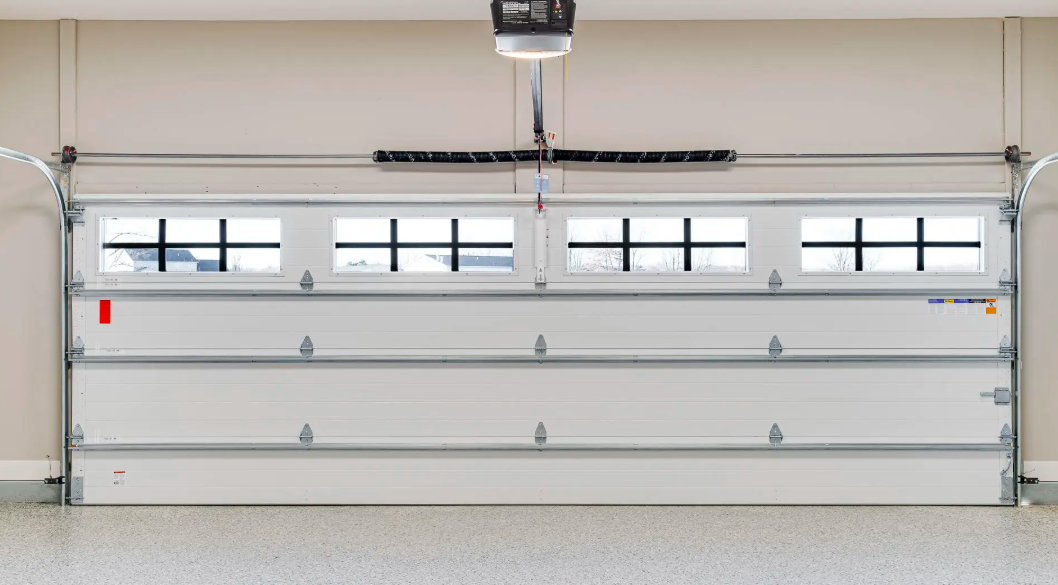
White garage door with small windows in a clean indoor garage, closed and centered under an opener

Reduces Strain on the Garage Door Opener

A properly counterbalanced garage door places minimal strain on the opener, allowing it to function efficiently with less wear and tear. If the springs are worn out or broken, the opener must work significantly harder to lift the door, increasing the likelihood of motor failure or mechanical breakdowns.

This can lead to costly repairs and potential downtime, leaving your garage inaccessible. By ensuring timely garage door spring replacement, homeowners can prevent unnecessary stress on their garage door opener, extending its lifespan and maintaining a reliable and hassle-free operation.

Keeping the counterbalance system in good condition allows for smoother and safer performance, reducing maintenance costs over time. Properly functioning springs not only enhance the efficiency of the door but also contribute to the longevity of the entire system, ensuring consistent and reliable operation.

Spring Tension and Wear Patterns

Most residential garage door springs are rated for approximately 10,000 cycles, which translates to roughly seven to nine years of typical use. However, factors such as climate, usage frequency, and maintenance can significantly impact this lifespan.

In Green Bay's harsh winter conditions, the cold temperatures can make springs more brittle and prone to sudden failure. Understanding the expected lifespan of your springs helps you plan for replacement before unexpected breakdowns occur.

Professional Spring Replacement

Garage door spring replacement requires specialized knowledge and equipment. The selection of appropriate replacement springs involves calculations based on door weight, dimensions, and usage patterns to ensure optimal performance and longevity. Professional technicians have access to commercial-grade springs that often exceed the quality and durability of consumer-available components.

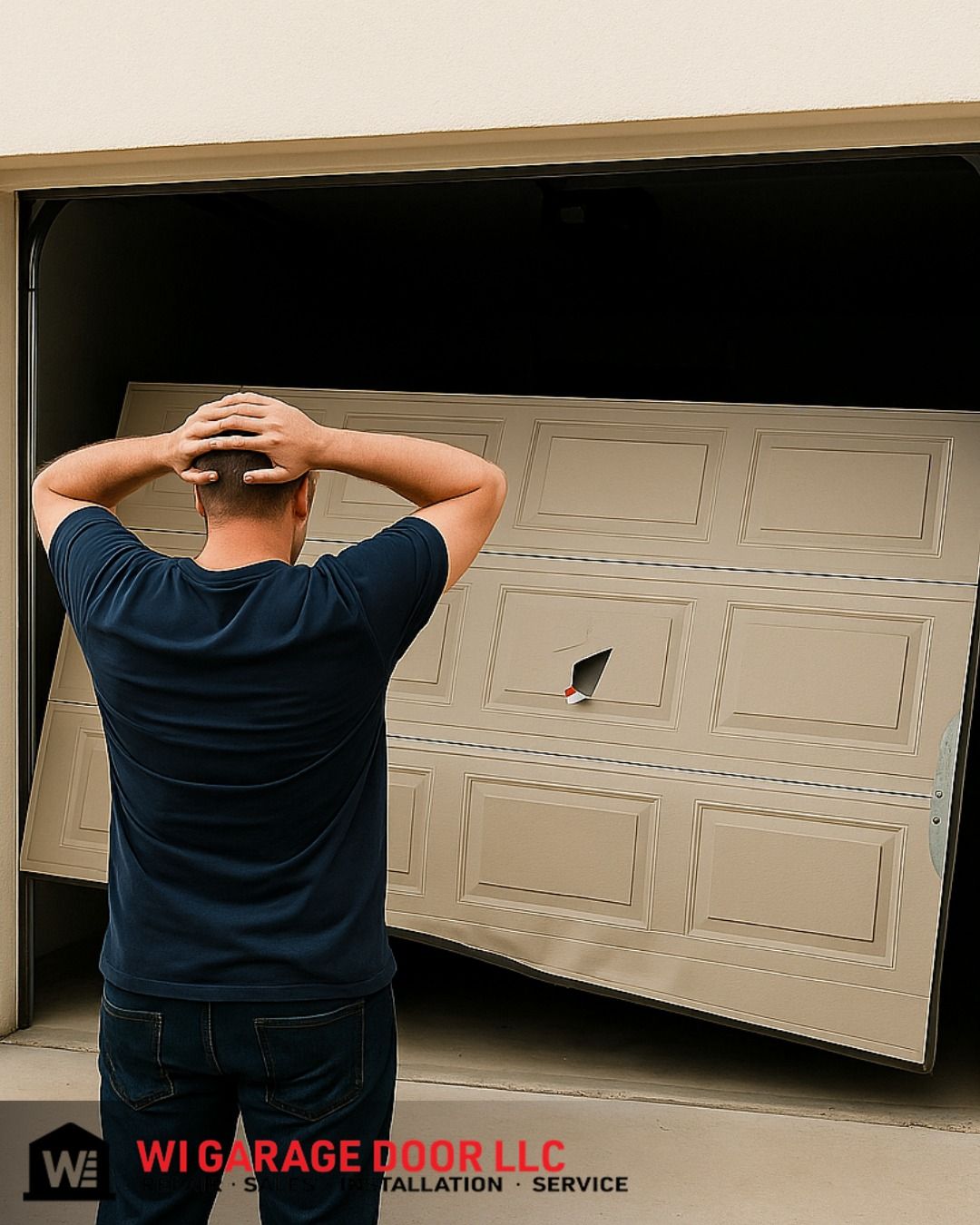
Man stands with hands on head as a garage door buckles inward under impact.
May 20, 2026
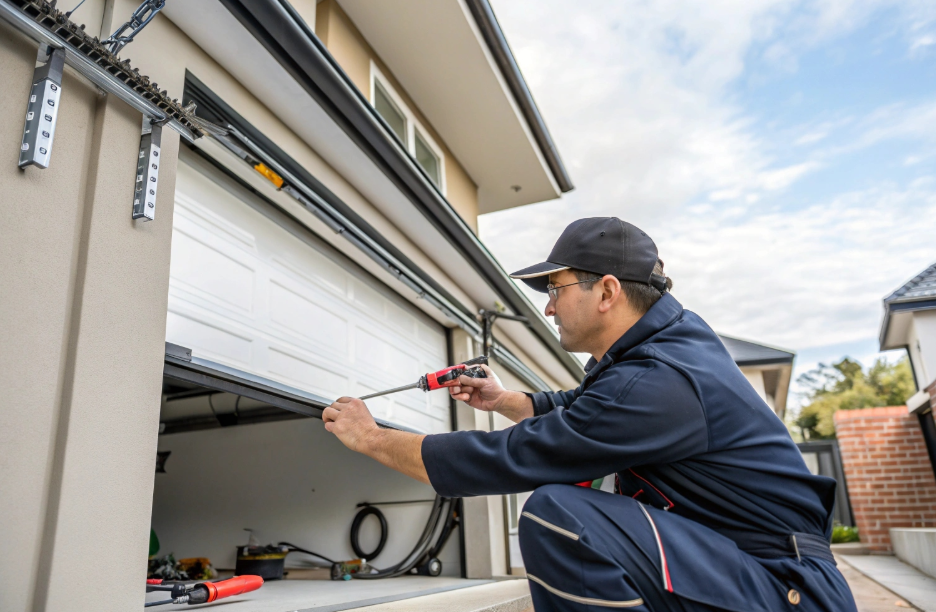
Essential questions to ask garage door repair De Pere technicians. Learn about experience, licensing, warranties, and emergency service options.
May 20, 2026
Learn how Wi-Fi and belt-drive garage door systems are transforming Green Bay homes with smart technology, enhanced security, and quiet operation for modern living.
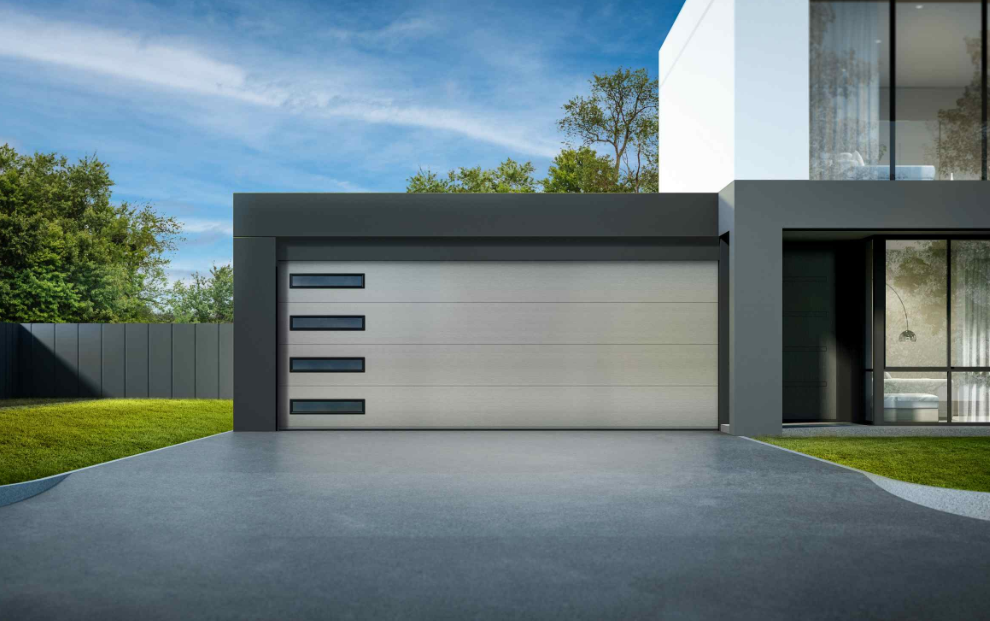
Modern house exterior with a large gray garage door and driveway under a blue sky
May 20, 2026
Discover why belt-drive Wi-Fi openers are the smart choice for Green Bay homes. Learn about quiet operation, smart integration, and security features.
Garage door opener rail and hanging cord mounted on the ceiling
May 20, 2026
Garage door springs are essential for safety and security. Learn how they prevent accidents and protect your home from unauthorized access in this comprehensive guide.
Worker installing a garage door opener on a ceiling track, using a drill beside an orange ladder.
May 20, 2026
Learn what happens when garage door springs fail, including sudden malfunctions, opener damage, and secondary system issues. Expert repair solutions from WI Garage Door LLC.
Worker adjusting a garage door opener rail with a red string guide
May 20, 2026
Identify worn garage door springs early with these key warning signs: slow movement, strange noises, visible damage, and difficulty opening.
May 20, 2026
Expert tips for garage door cable replacement including understanding cables, safety considerations, step-by-step replacement guide, and testing procedures for smooth operation.
Technician in navy uniform inspecting a garage door beside a service van, with “Full tune-up & spring swap” text.
May 18, 2026
Fix your sticking garage door with these proven troubleshooting tricks. Learn DIY solutions for common problems and when to call professionals for safe, effective
Show More
Man stands with hands on head as a garage door buckles inward under impact.
May 20, 2026
Essential questions to ask garage door repair De Pere technicians. Learn about experience, licensing, warranties, and emergency service options.
May 20, 2026
Learn how Wi-Fi and belt-drive garage door systems are transforming Green Bay homes with smart technology, enhanced security, and quiet operation for modern living.
Modern house exterior with a large gray garage door and driveway under a blue sky
May 20, 2026
Discover why belt-drive Wi-Fi openers are the smart choice for Green Bay homes. Learn about quiet operation, smart integration, and security features.
Show More