How a Well-Maintained Garage Door Can Improve Your Home's Energy Efficiency
A properly functioning garage door doesn't just enhance security and convenience—it also plays a crucial role in maintaining your home's energy efficiency. Since garage doors are one of the largest moving parts in a house, they can be a major source of heat loss in the winter and heat gain in the summer if not properly maintained.
Ensuring that your garage door is well-insulated, sealed, and regularly serviced helps reduce energy waste, leading to lower utility bills and a more comfortable living space. Poor insulation can lead to increased heating and cooling costs, making energy-efficient garage door maintenance a valuable investment for homeowners.
This energy-saving approach works hand-in-hand with proper regular maintenance and lubrication to maximize your door's efficiency and longevity.
Understanding Energy Loss Through Garage Doors
Many homeowners underestimate how significantly a garage door can impact their home's energy consumption. The garage often serves as a thermal buffer zone between outdoor conditions and your living space, making proper door function critical for energy efficiency.
When garage doors are properly maintained and sealed, they create an effective barrier against temperature extremes, helping maintain consistent indoor comfort while reducing HVAC workload.
The Impact of a Faulty Garage Door on Energy Costs
An aging or poorly maintained garage door can allow drafts to seep in, forcing your heating and cooling systems to work harder to maintain indoor temperatures. Small gaps around the edges of the door or worn-out weather stripping can let in cold air during the winter and hot air in the summer, significantly affecting energy efficiency.
Common Energy Loss Sources:
• Worn weather seals and gaskets
• Damaged or missing insulation
• Gaps due to door misalignment
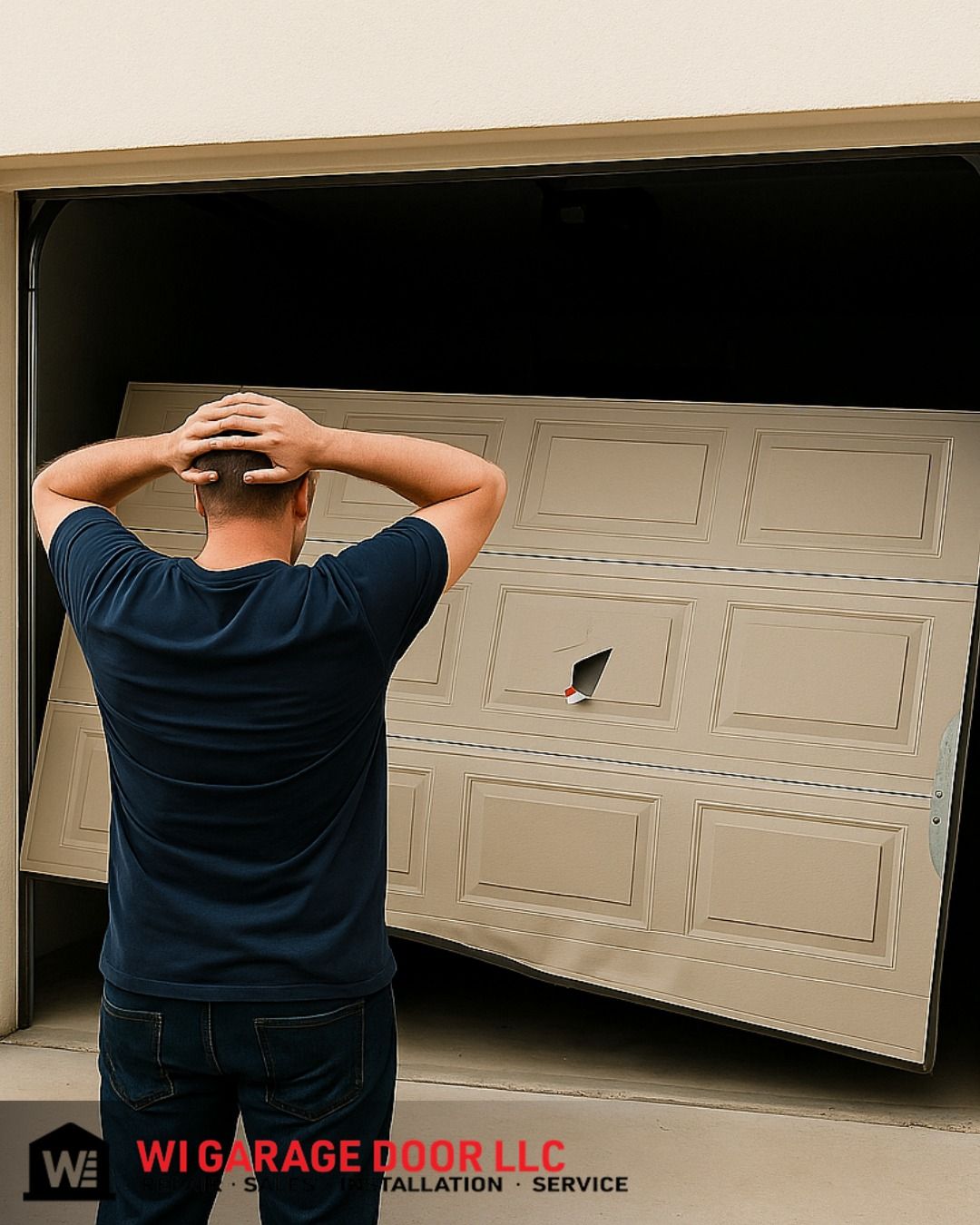
• Cracked or warped door panels
• Poorly functioning automatic closing mechanisms
If your garage is attached to your home, this issue becomes even more problematic, as temperature fluctuations can spread to adjoining rooms. Regular garage door service includes checking insulation, replacing weather seals, and ensuring that the door closes properly, preventing energy loss and unnecessary strain on your HVAC system.
Additionally, doors with cracked panels or poorly lubricated parts may not close tightly, creating additional energy inefficiencies. This is why addressing issues like slow door movement promptly is essential for energy conservation.
Weather Sealing and Insulation Fundamentals
Proper weather sealing forms the foundation of an energy-efficient garage door system. The bottom seal, side seals, and top seal work together to create a comprehensive barrier against air infiltration.
Quality weather stripping should be flexible enough to compress when the door closes but durable enough to withstand repeated use and weather exposure. Inspect seals regularly for cracks, tears, or hardening that indicates replacement is needed.
How Proper Garage Door Maintenance Enhances Efficiency
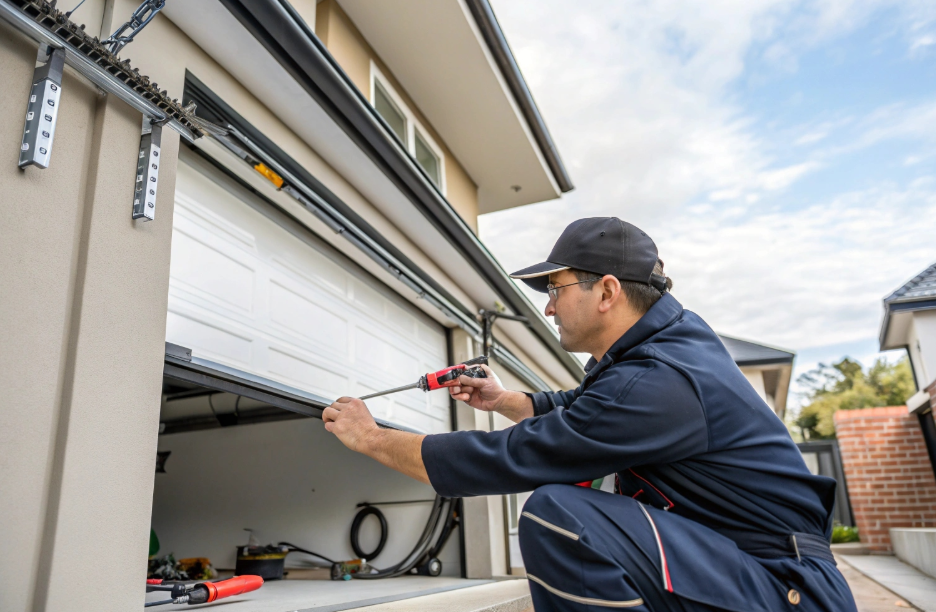
Routine garage door service ensures that your garage door remains energy-efficient by keeping its components in optimal condition. Technicians can inspect and adjust the door's alignment, lubricate moving parts, and repair any insulation gaps to improve thermal efficiency.
Upgrading to an insulated garage door with high R-value materials can further enhance energy savings, reducing temperature fluctuations inside the garage. Regular servicing also ensures that the door operates smoothly, preventing unnecessary strain on the opener motor, which can contribute to excess energy consumption.
Key Maintenance Tasks for Energy Efficiency:
• Inspect and replace worn weather sealing
• Check door balance and alignment
• Lubricate all moving components
• Test and adjust automatic closing features
• Assess insulation condition and R-value
Keeping your garage door in top shape is an easy and effective way to make your home more energy-efficient. This comprehensive approach prevents issues that could compromise both function and efficiency, similar to how addressing spring problems early prevents larger system failures.
Smart Technology and Energy Management
Modern garage door systems can integrate with smart home technology to optimize energy efficiency. Wi-Fi enabled openers allow remote monitoring and control, helping you ensure doors are properly closed when away from home.
Smart sensors can detect when doors are left open and send alerts, preventing unnecessary energy loss. Some systems even integrate with home automation to coordinate with HVAC schedules for optimal energy management.
Seasonal Energy Efficiency Considerations
Different seasons present unique challenges for maintaining garage door energy efficiency. Winter requires particular attention to seal integrity and insulation performance, while summer focuses on heat reduction and ventilation.
Winter Preparation:
Inspect seals for ice damage, check insulation compression, ensure smooth operation in cold weather
Summer Optimization:
Verify ventilation systems, check for heat-related expansion issues, maintain cooling efficiency
Calculating Energy Savings and ROI
Additionally, simple maintenance tasks, like keeping sensors clean and ensuring smooth door operation, contribute to overall energy efficiency by reducing unnecessary wear on mechanical components. These efforts, combined with proper remote system function , create a comprehensive approach to energy conservation.
Regular maintenance investments typically pay for themselves through energy savings within 1-2 years, while also extending door lifespan and reducing emergency repair costs.
By prioritizing energy efficiency in your garage door maintenance routine, you create lasting benefits for both your home comfort and your wallet, making it one of the most cost-effective home improvement investments available.