

Planning Your Next Garage Door Installation Green Bay Project Step-by-Step

WI Garage Door LLC • May 1, 2026

Planning a garage door installation in Green Bay is more involved than most homeowners expect — and getting it right from the start can make all the difference. From measuring your opening correctly to choosing materials that stand up to Wisconsin winters, every step matters. Whether you're replacing an aging door or upgrading to a modern system, this guide walks you through the complete planning process so your project runs smoothly from day one.

A well-executed garage door installation Green Bay project can boost your property's curb appeal, improve energy efficiency, and provide years of dependable security. WI Garage Door LLC has helped countless homeowners throughout the region navigate these decisions — and the lessons from those projects are packed into this step-by-step guide.

1. Assess Your Existing Garage Structure

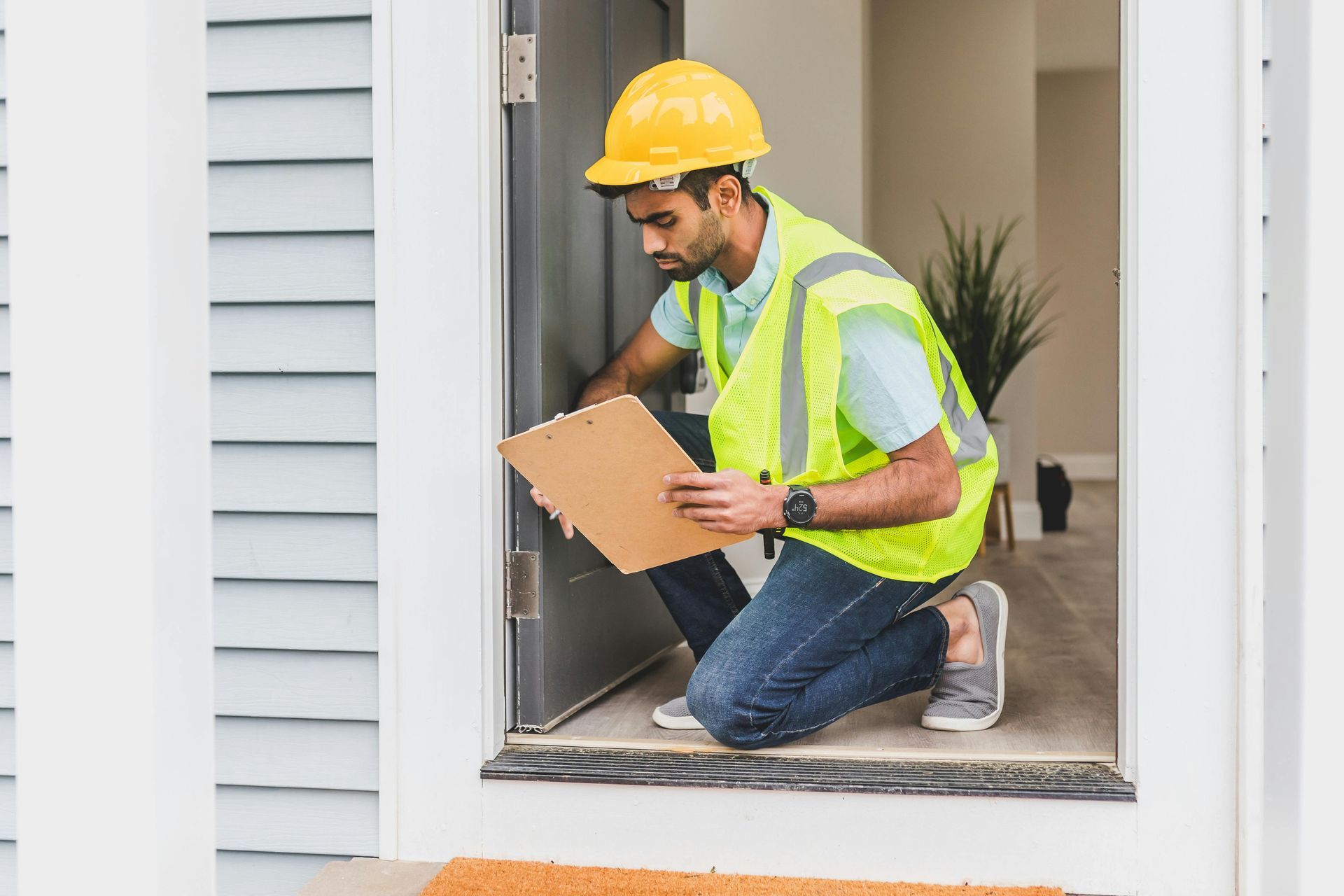
Before any new door can be ordered or installed, a thorough assessment of your existing garage structure is essential. This step establishes the foundation for every decision that follows — from the door style you choose to the hardware components required. Many homeowners discover during this phase that their garage requires structural updates to accommodate a modern door system, particularly when transitioning from older styles to contemporary sectional or roll-up designs.

Start by examining the condition of your existing frame, track system, and support structures. Look for signs of rot, rust, warping, or damage that could compromise the new installation. A structurally sound opening is non-negotiable — installing a high-quality door on a compromised frame will lead to alignment issues, premature wear, and safety concerns down the line.

Also evaluate your electrical infrastructure if you plan to include an automated opener or smart home integration. Older garages often lack the wiring needed to support modern opener systems efficiently. Identifying these gaps early prevents costly surprises mid-installation. WI Garage Door LLC technicians conduct comprehensive structural assessments as a standard first step for every garage door installation Green Bay project they take on.

2. Take Accurate Measurements

Accurate measurements are the cornerstone of a successful garage door installation. Even small discrepancies can result in doors that don't seal properly, operate unevenly, or require expensive custom adjustments. Standard garage door openings vary significantly — even within the same neighborhood — so never assume your opening matches a standard size without verifying it yourself or having a professional confirm.

The key measurements to document include the width and height of the door opening, available headroom (the space between the top of the opening and the ceiling), side room clearances on both sides, and the backroom depth (the distance from the opening into the garage). Each of these dimensions influences what door style, track system, and opener configuration will work for your space.

Don't forget to account for any obstructions like lighting fixtures, pipes, or support beams that could interfere with the door's operation. Photographing the existing installation from multiple angles provides a valuable visual reference for your installation team. WI Garage Door LLC strongly recommends professional measurement services — precise documentation upfront prevents delays and additional costs during installation.

3. Choose the Right Materials for Green Bay's Climate

Material selection is one of the most consequential decisions in any garage door installation Green Bay project. Wisconsin's climate brings harsh winters with subzero temperatures, humid summers, and significant seasonal swings — conditions that can take a serious toll on the wrong door material. Choosing wisely means your door will look great and perform reliably for decades, not just a few years.

Steel doors are the most popular choice for Green Bay homeowners, and for good reason. They offer outstanding durability, strong security, and relatively low maintenance. When constructed with a foam core, insulated steel doors provide excellent thermal performance — a major advantage for attached garages that share walls with living spaces. WI Garage Door LLC frequently recommends insulated steel as the best all-around option for the local climate.

Wood doors bring undeniable natural beauty and rich customization options, but they demand more upkeep in Green Bay's moisture-heavy environment. If aesthetics are a top priority, composite materials offer a compelling middle ground — delivering wood's warm appearance with enhanced durability and minimal maintenance. Whichever material you choose, ensure it comes with proper weatherstripping and sealing components rated for extreme temperature performance.

4. Verify Hardware and Component Compatibility

Hardware compatibility is a detail that homeowners often overlook until it creates a problem on installation day. The door material, weight, and style must be matched to compatible springs, rollers, tracks, and mounting hardware — otherwise the system won't operate safely or reliably. This is especially important when replacing an older door with a newer, heavier model that your existing track system may not support.

Spring systems deserve particular attention. The spring configuration must be precisely matched to the door's weight and operational characteristics. An undersized spring system will strain the opener motor and fail prematurely, while an oversized system can create dangerous tension imbalances. WI Garage Door LLC technicians evaluate spring systems as a standard part of every installation planning process, ensuring the right configuration for each specific door.

Quality rollers, weather seals, and mounting brackets all contribute to long-term performance and noise reduction. Investing in premium components during initial installation is far more cost-effective than replacing worn hardware every few years. Ask your installation professional to walk you through every component being used and explain why each was selected for your specific project. Have you ever had a garage door that rattled, squeaked, or stuck in cold weather? Proper hardware matching is often the solution.

5. Understand the Installation Process and Timeline

Knowing what to expect during the installation process helps you prepare your home and set realistic expectations. A straightforward door replacement on an unmodified opening can typically be completed within a few hours. However, installations requiring structural modifications, new electrical work, or complex custom configurations may span multiple days. Weather conditions — particularly during Wisconsin winters — can also affect scheduling and material handling procedures.

The professional installation process generally follows a consistent sequence: removing the existing door and hardware, completing any structural modifications, installing the track system, hanging door panels, fitting springs and rollers, connecting the opener, and performing a full system test. WI Garage Door LLC follows this systematic approach to ensure every component is installed correctly and safely before the job is considered complete.

Following installation, your technician should walk you through proper operation, safety feature testing, and basic maintenance tasks. This customer education component is an important part of the process — understanding how your system works puts you in a much better position to identify early warning signs and keep the door running smoothly for years to come.

6. Plan for Seasonal Maintenance

A successful garage door installation Green Bay project doesn't end when the installers leave — it continues with a consistent maintenance routine tailored to the region's climate demands. Green Bay's seasonal extremes mean your door faces different stressors throughout the year, and proactive maintenance is the most effective way to prevent minor issues from becoming costly repairs.

Lubrication is one of the most important and most frequently neglected maintenance tasks. Rollers, hinges, springs, and tracks should be lubricated on a regular schedule using products appropriate for your specific components and local temperatures. In winter, standard lubricants can thicken and lose effectiveness — using cold-weather formulations ensures smooth operation even in subzero conditions.

Safety feature testing should be performed at least twice a year. Test your auto-reverse mechanism by placing a small object in the door's path — it should reverse immediately upon contact. Check your photo-eye sensors for alignment and cleanliness. Inspect weatherstripping for cracks or gaps that let cold air and moisture into the garage. WI Garage Door LLC provides detailed maintenance schedules for every installation, giving homeowners a clear roadmap to follow throughout the year.

Conclusion

Planning your garage door installation Green Bay project step-by-step is the surest path to a result you'll be satisfied with for years to come. From structural assessment and accurate measurement to smart material selection, hardware compatibility, and ongoing maintenance, each phase of the process builds on the last. Skipping steps or rushing decisions creates complications that are almost always more expensive to fix than they would have been to prevent.

WI Garage Door LLC brings local expertise, professional-grade equipment, and a commitment to quality that makes every installation project go as smoothly as possible. If you're ready to move forward with your garage door installation, reach out to our team today — we're here to guide you from the first measurement to the final test, and every step in between.

By WI Garage Door LLC May 1, 2026
Discover why regular garage door inspections are essential for Green Bay homeowners. WI Garage Door LLC explains safety, savings, and seasonal maintenance tips.
By WI Garage Door LLC May 1, 2026
Learn the key warning signs that signal garage door opener repair in Wisconsin. From strange noises to safety failures, know when to call WI Garage Door LLC.
May 1, 2026
Detecting a garage door broken hinge Wisconsin scenario before complete failure occurs requires attention to specific symptoms that indicate deteriorating hinge integrity. Unusual sounds during door operation often represent the first indication that hinges are approaching failure. Squeaking, grinding, or clicking noises emanating from hinge points suggest insufficient lubrication or worn bearing surfaces that require immediate attention. Visual inspection reveals additional warning signs of impending hinge failure. Rust formation around hinge pins indicates moisture infiltration that weakens metal components over time. Gaps appearing between hinge plates suggest mounting hardware has loosened or hinge material has begun stretching under operational stress. Wisconsin’s road salt and moisture-rich environment accelerate corrosion processes, making regular hinge inspection particularly important for state residents. Operational irregularities provide further evidence of developing hinge problems. Garage doors that bind during movement, create uneven gaps along their perimeter when closed, or require increased force to operate manually often suffer from hinge-related issues. These symptoms indicate that hinges no longer maintain proper door alignment, potentially leading to complete failure without intervention. WI Garage Door LLC technicians frequently encounter situations where homeowners ignored early warning signs, resulting in more extensive damage requiring comprehensive door replacement rather than simple hinge repair. Early detection and prompt action significantly reduce repair costs while maintaining door functionality and home security.
Show More