What to Do When Your Garage Door Is Sticking
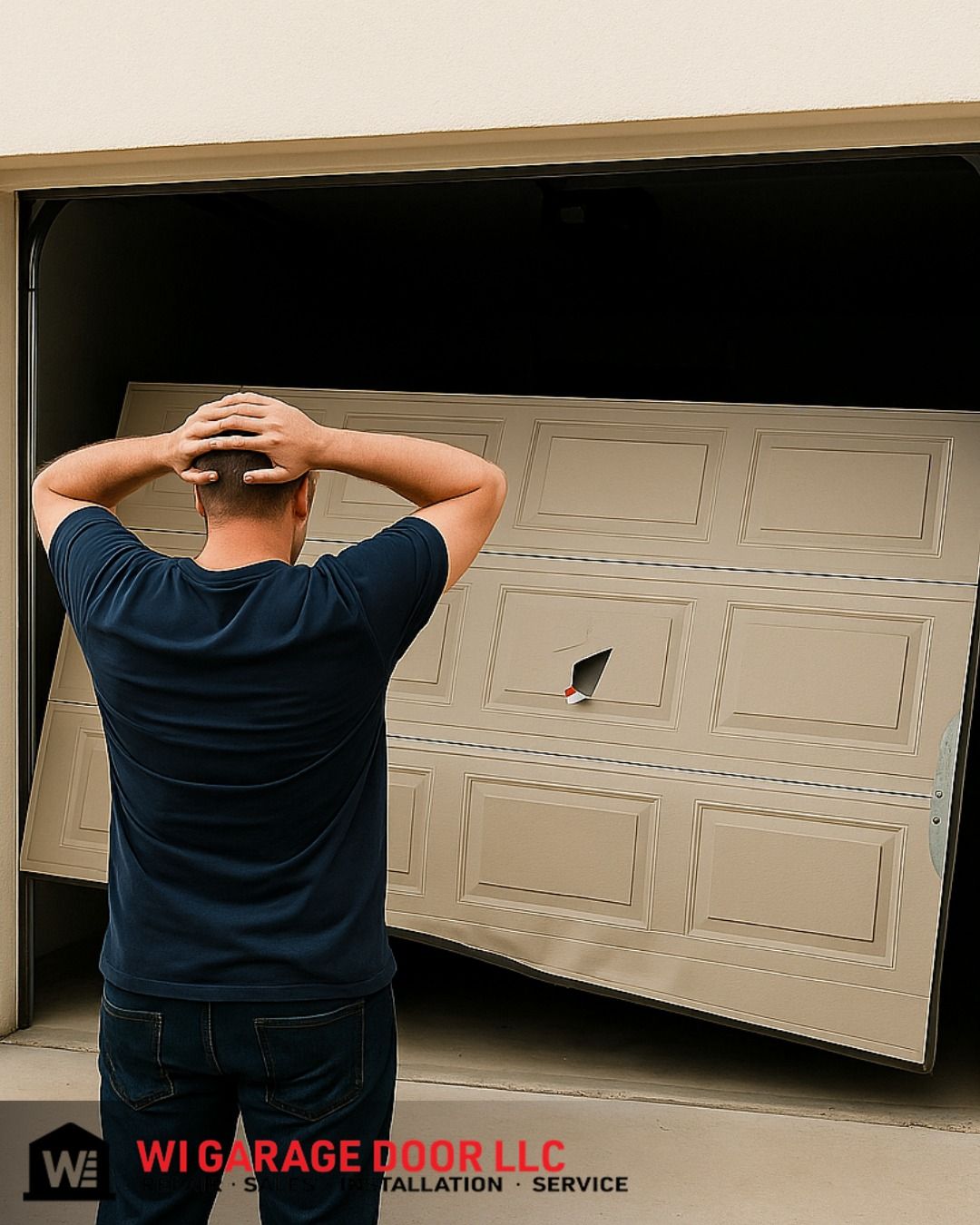
A sticking garage door can be an incredibly frustrating problem, especially when you rely on it for daily access. The issue may be as simple as a buildup of debris, or it could signal deeper mechanical problems requiring professional attention.
Sticking doors often occur due to misaligned tracks, worn-out rollers, or issues with the door's opener. If you notice the door struggling to open or close smoothly, addressing the root cause early on is essential.
Regularly inspecting the door's components can help identify these problems before they escalate. In many cases, a quick adjustment can restore functionality, but more serious issues may necessitate professional intervention.
Understanding what to do when your garage door is sticking connects with broader maintenance practices like proper cleaning and lubrication and maintaining optimal condition.
Understanding the Mechanics Behind Sticking Doors
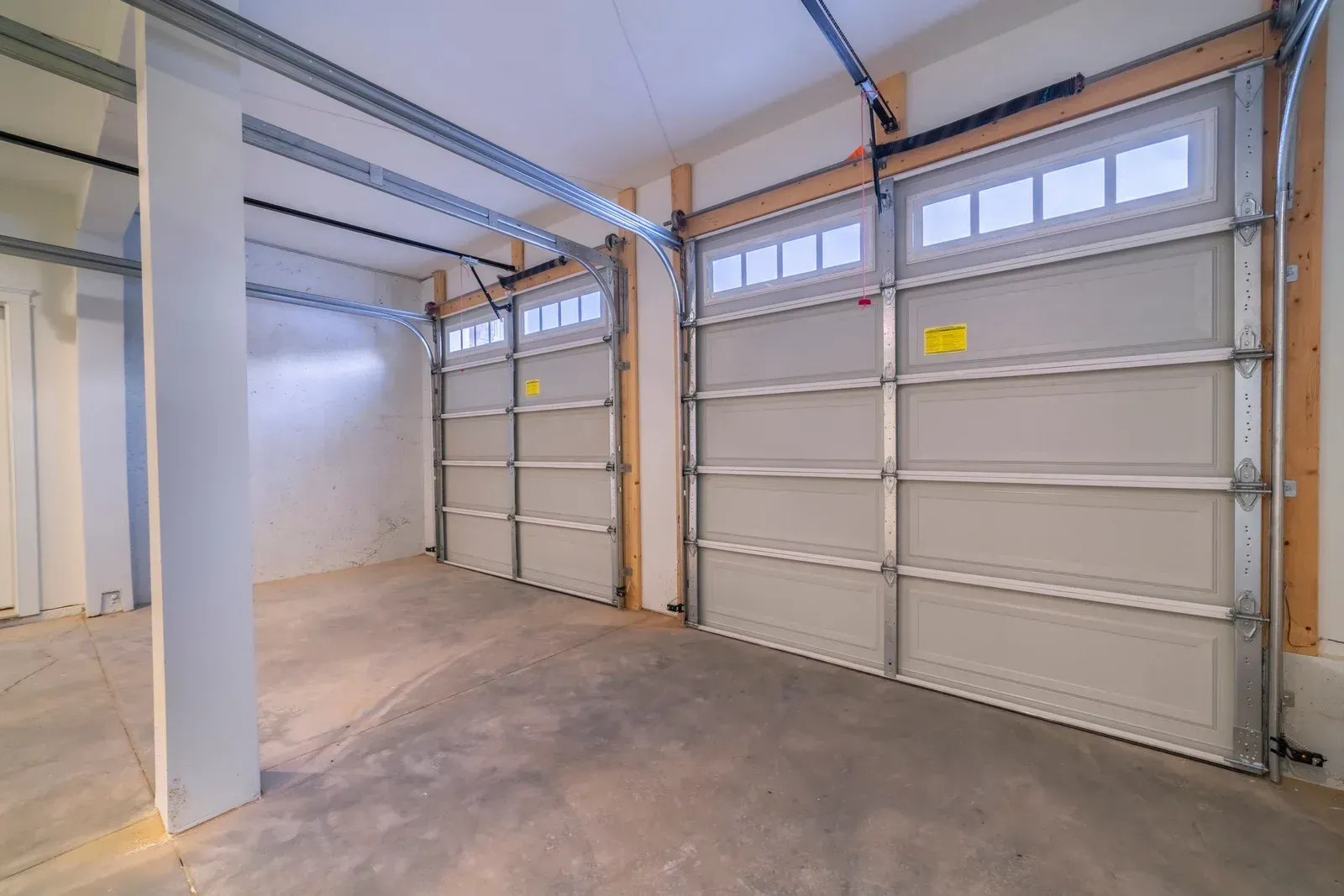
A garage door system involves multiple components working in precise harmony. When any component falls out of alignment or begins to wear, the entire system can be affected, leading to sticking behavior that ranges from minor resistance to complete operational failure.
The door must travel smoothly along its tracks while being supported by rollers, guided by hinges, and powered by either manual operation or an automatic opener. Any disruption to this mechanical ballet results in the frustrating sticking problems homeowners experience.
Common Causes of a Sticking Garage Door
Several factors can contribute to a garage door sticking, and it's important to identify the specific cause. One of the most common culprits is a misalignment in the door's tracks. Over time, the metal tracks can become bent or loose, causing friction and preventing the door from moving smoothly.
Another issue is worn-out rollers that struggle to move along the tracks, often due to age or accumulated dirt. Additionally, the garage door opener might be malfunctioning or improperly set, causing the door to bind or lag.
Primary Causes of Sticking Include:
• Track misalignment from settling or impact damage
• Worn or damaged rollers creating excessive friction
• Debris accumulation in tracks blocking smooth movement
• Insufficient lubrication on moving components
• Loose hardware causing binding during operation
• Weather-related expansion affecting door clearances
A lack of lubrication on the moving parts can also create resistance, resulting in a door that sticks mid-operation. This issue often becomes more pronounced during seasonal temperature changes when metal components expand or contract.
DIY Troubleshooting Steps for Sticking Doors
Before calling for professional help, homeowners can perform several troubleshooting steps that often resolve minor sticking issues. These basic maintenance tasks can restore smooth operation while helping you understand your door system better.
Step-by-Step Troubleshooting Process:
1. Visual Inspection: Examine the entire door system for obvious problems. Look for bent tracks, damaged rollers, loose hardware, or debris in the track channels. Check for any visible damage to door panels or weather stripping.
2. Track Cleaning: Remove debris from track channels using a damp cloth or soft brush. Accumulated dirt, leaves, and small objects can create significant resistance during door operation.
3. Hardware Inspection: Check all bolts, screws, and mounting brackets for tightness. Loose hardware can allow components to shift, creating binding and sticking problems.
4. Lubrication Application: Apply appropriate lubricant to rollers, hinges, and track contact points. This basic maintenance step can resolve many sticking issues immediately.
These troubleshooting steps work alongside understanding rust prevention and treatment for comprehensive door care.
Track Alignment and Adjustment
Track misalignment is one of the most common causes of sticking garage doors, yet it's often overlooked during routine maintenance. Proper track alignment ensures smooth door movement while preventing premature wear on rollers and other components.
Tracks can become misaligned due to foundation settling, accidental impact, or gradual loosening of mounting hardware. Even minor misalignment can create significant friction that manifests as sticking behavior.
Signs of Track Misalignment:
• Visible gaps between rollers and track walls
• Door binding at specific points during operation
• Uneven wear patterns on rollers
• Grinding or scraping noises during movement
• Door hanging crooked when partially open
Professional track adjustment requires specialized tools and expertise to ensure proper alignment without compromising safety. This type of repair connects with broader safety considerations covered in essential safety practices.
Roller Assessment and Replacement
Garage door rollers bear the full weight of the door while facilitating smooth movement along the tracks. When rollers wear out or become damaged, they create resistance that leads to sticking problems and potential safety hazards.
Different types of rollers have varying lifespans and maintenance requirements. Steel rollers with ball bearings typically last longer than nylon rollers but require more frequent lubrication. Understanding your roller type helps determine appropriate maintenance schedules.
Roller Inspection Checklist:
• Check for smooth rotation without binding
• Look for worn or flattened surfaces
• Examine bearing condition and lubrication
• Verify proper track contact alignment
• Test for excessive play or looseness
Opener-Related Sticking Issues
Modern garage door openers include sophisticated control systems that can cause sticking problems when improperly adjusted or malfunctioning. Force settings, travel limits, and safety features all affect door operation and can create apparent sticking when incorrectly configured.
Opener problems often manifest as intermittent sticking rather than consistent issues, making diagnosis more challenging. The door might operate smoothly sometimes but bind during certain weather conditions or at specific points in its travel.
Common Opener-Related Issues:
• Excessive force settings causing motor strain
• Incorrect travel limit adjustments
• Worn drive mechanisms creating inconsistent power
• Safety feature malfunctions stopping operation
• Remote control signal interference
These technical issues often require professional diagnosis and adjustment to ensure safe, reliable operation. This complexity highlights why professional service, as discussed in professional service benefits , provides superior long-term value.
When to Call for Professional Garage Door Repair
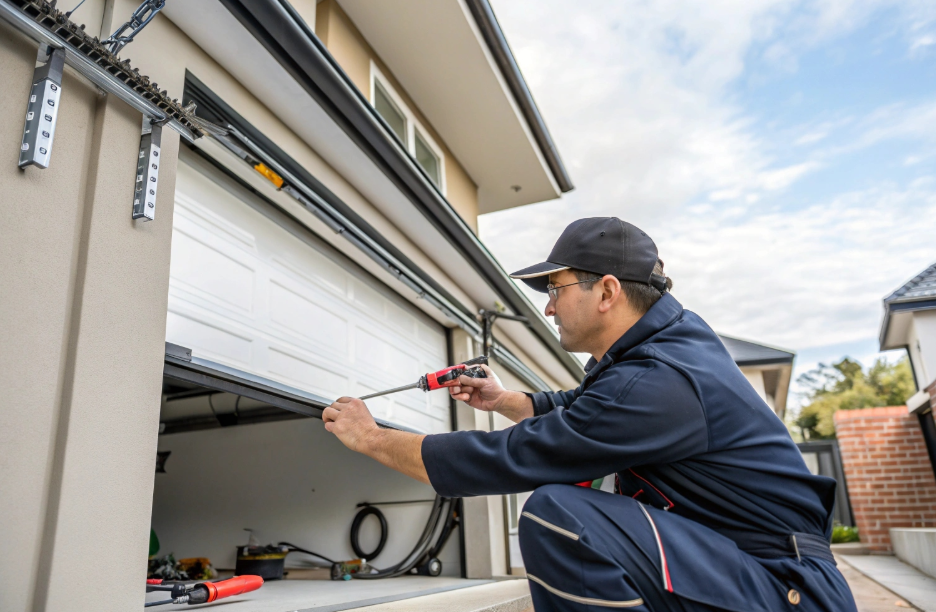
While some garage door problems can be easily fixed with a DIY approach, there are times when calling a professional is necessary. If you've tried troubleshooting the issue and the door continues to stick or has become difficult to operate, it's a sign that the problem is likely more complex.
This could indicate a need for parts replacement or a deeper issue within the opener or spring system. Attempting to fix advanced problems without the proper expertise could lead to further damage or even injury.
Professional Service Indicators:
• Persistent sticking despite troubleshooting efforts
• Visible structural damage to tracks or door panels
• Spring-related issues affecting door balance
• Electrical problems with opener systems
• Safety feature malfunctions requiring expert diagnosis
Professionals have the tools and experience needed to diagnose and repair issues efficiently, ensuring the door operates as smoothly as it should. If your garage door is stuck entirely or is making unusual sounds, it's time to call in an expert to restore optimal condition.
Preventive Maintenance for Sticking Prevention
The best approach to dealing with sticking garage doors is preventing the problem through regular maintenance. Establishing a routine maintenance schedule addresses potential issues before they develop into major sticking problems.
Preventive maintenance combines simple homeowner tasks with periodic professional service to ensure optimal door performance throughout its lifespan. This proactive approach saves money while preventing inconvenient door failures.
Monthly Maintenance Tasks:
• Visual inspection of all door components
• Track cleaning and debris removal
• Basic lubrication of moving parts
• Hardware tightness verification
• Operational testing for smooth movement
By addressing sticking problems promptly and maintaining your garage door system properly, you ensure reliable daily operation while protecting your investment in this essential home feature.