Stuck Garage Door? Try These Tricks to Get Things Moving
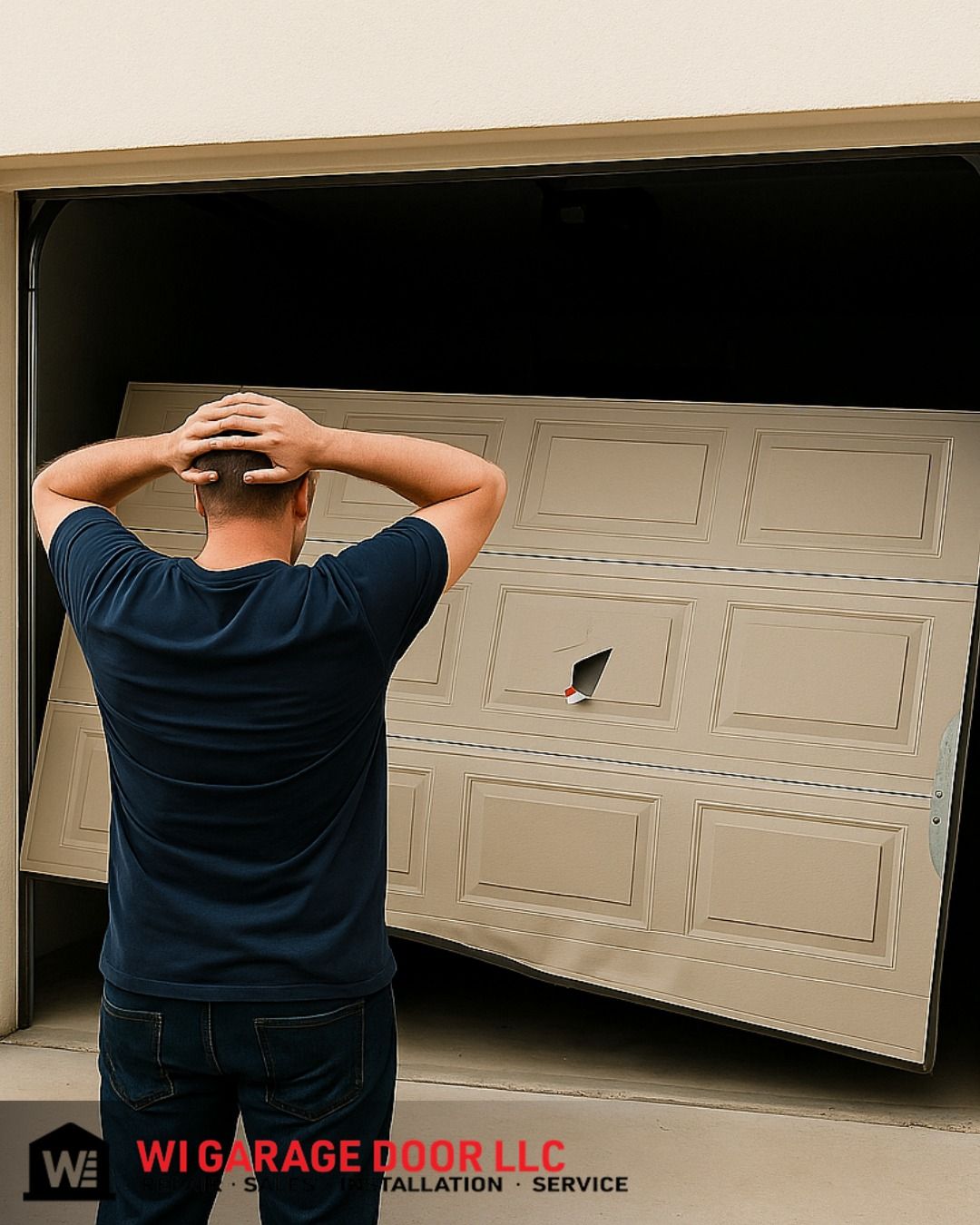
There's nothing quite like getting up to leave in the morning (or, conversely, coming home late at night) only to find that your garage door is sticking, leaving you in the lurch (or out in the cold!). Hopefully, you have an alternate method of getting where you need to go or into your house, but a stuck garage door is more than just an inconvenience – it's a problem that needs immediate attention to prevent further damage and restore normal operation. This comprehensive guide will help you understand why garage doors stick, what you can do to fix the problem, and when it's time to call in professional help.
Common Causes of Sticking Garage Doors
Track Obstructions and Debris
One of the most common causes of a sticking garage door is something blocking or interfering with the tracks. Over time, dirt, leaves, small rocks, and other debris can accumulate in the track channels, preventing the rollers from moving smoothly. Sometimes the obstruction is obvious – a toy that rolled into the track, gardening tools stored too close to the door's path, or accumulated leaves and debris. Other times, the blockage is subtle, like hardened grease or rust buildup that gradually restricts roller movement.
Inspect your tracks carefully from top to bottom on both sides of the door. Look for anything that might be caught in the track or preventing smooth roller movement. Even small obstructions can cause significant sticking, especially if they're located at critical points where the door transitions from vertical to horizontal movement.
Dried Out or Insufficient Lubrication
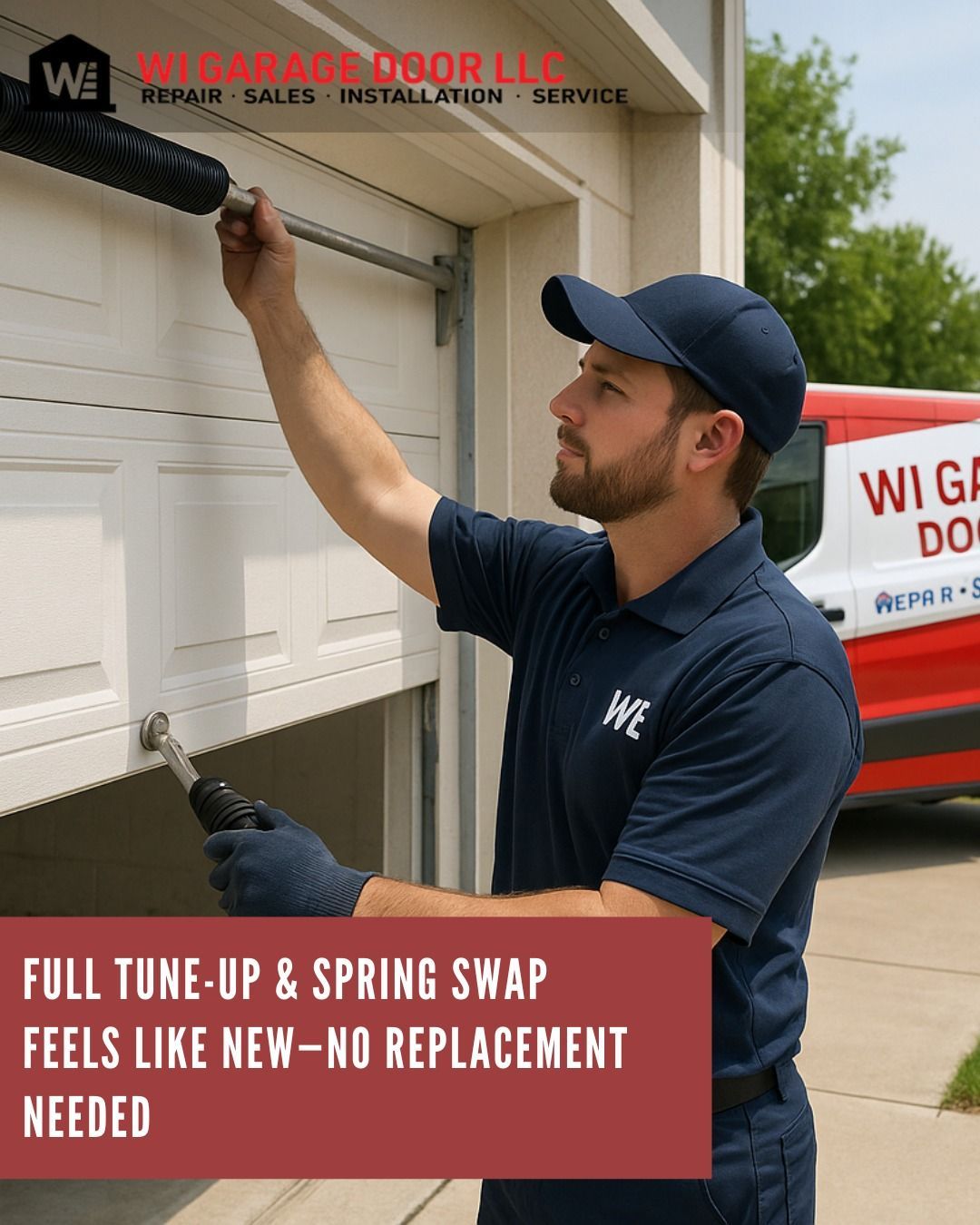
Garage doors have many moving parts that require proper lubrication to function smoothly. Springs, hinges, rollers, and tracks all need regular application of appropriate lubricants to reduce friction and prevent sticking. When lubrication dries out or becomes insufficient, metal-on-metal contact creates resistance that makes the door stick or bind during operation.
Cold weather can exacerbate lubrication problems, as some lubricants become thick and sluggish in low temperatures. This is why garage doors that operated fine during summer may start sticking when winter arrives. Using the wrong type of lubricant can also cause problems – heavy grease attracts dirt and can actually increase friction rather than reduce it.
Misaligned or Damaged Tracks
Garage door tracks must remain perfectly aligned and undamaged for smooth operation. Even slight misalignment can cause the door to bind or stick at certain points in its travel. Tracks can become misaligned due to loose mounting bolts, impact damage from vehicles or equipment, or simply from years of regular use and house settling.
Visual inspection can reveal obvious track problems. Look for gaps between the track and the rollers, bends or dents in the track metal, or sections where the track appears to pull away from the wall mounting. Use a level to check both vertical and horizontal track alignment – even a slight deviation from true vertical or horizontal can cause operational problems.
Worn or Damaged Rollers
Garage door rollers bear the weight of the door as it travels along the tracks. Over time, these rollers wear down, developing flat spots, cracks, or losing their bearings. Worn rollers don't roll smoothly, causing the door to stick, jerk, or move unevenly. Plastic rollers tend to wear faster than steel or nylon alternatives and may crack or break under the stress of regular use.
Inspect each roller on both sides of the door. They should spin freely without wobbling or binding. Look for visible wear, cracks, or missing pieces. If rollers appear worn or damaged, replacement is the best solution – attempting to lubricate worn rollers may provide temporary improvement but won't address the underlying problem.
Quick Fixes You Can Try
Clean the Tracks Thoroughly
Start your troubleshooting by giving the tracks a thorough cleaning. Use a stiff brush or old rag to remove loose dirt, debris, and accumulated grime from the track channels. For stubborn buildup, a solvent like mineral spirits or a dedicated degreaser can help dissolve hardened grease and dirt. Be sure to wipe the tracks clean after using any solvent to remove residue that could attract new dirt.
Pay special attention to the curved section where the vertical track transitions to horizontal – this area often accumulates more debris and experiences the most stress during door operation. After cleaning, operate the door manually to see if the sticking has improved before attempting automatic operation.
Apply Proper Lubrication
After cleaning the tracks, apply appropriate lubrication to all moving parts. Use a silicone-based spray lubricant or white lithium grease specifically designed for garage doors. Avoid WD-40 or heavy greases that attract dirt. Apply lubricant to:
- Torsion springs (along the length of the coil)
- Hinges at all panel connections
- Roller bearings and shafts
- Track surfaces where rollers make contact
- Opener chain or belt drive
Apply lubrication sparingly – a light coating is more effective than heavy application that can drip and accumulate dirt. After lubricating, manually operate the door through several cycles to work the lubricant into all the moving parts and distribute it evenly.
Tighten Loose Hardware
Loose bolts and screws can allow tracks and other components to shift out of proper alignment. Walk around your garage door system and check all visible hardware for tightness. This includes:
- Track mounting brackets and bolts
- Hinge screws on each door panel
- Roller mounting brackets
- Spring mounting hardware
- Opener rail mounting bolts
Use appropriate tools and tighten everything securely, but avoid overtightening which can strip threads or crack components. If you find bolts or screws that won't tighten properly, they may need replacement – stripped threads won't hold hardware securely and can lead to continued problems.
Check Weather Conditions and Temperature Effects
Extreme temperature changes can affect garage door operation. Metal components expand and contract with temperature variations, potentially causing temporary binding or sticking. Additionally, cold weather can affect lubrication viscosity and cause door parts to contract slightly, creating binding points that don't exist in warmer conditions.
If your door only sticks in cold weather, ensure you're using cold-weather appropriate lubricants and allow the door to warm slightly before operation if possible. In extreme heat, metal expansion might cause temporary binding – waiting for cooler parts of the day to operate the door can help until professional adjustment addresses the underlying issue.
When to Call a Professional
Spring Problems
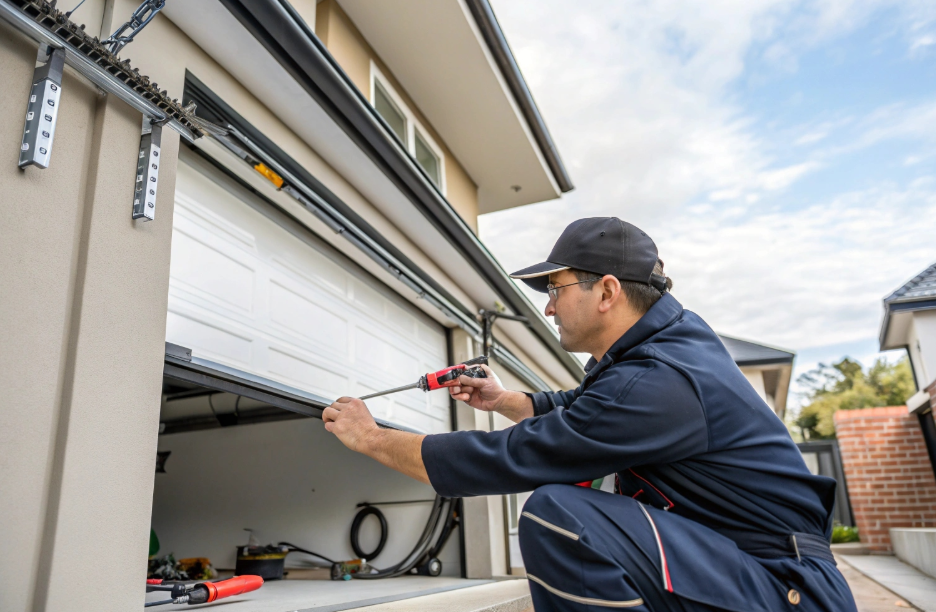
If you suspect spring issues are causing your door to stick – such as visible gaps in torsion springs, springs that appear stretched or deformed, or extreme difficulty lifting the door manually – do not attempt DIY repairs. Garage door springs operate under tremendous tension and can cause serious injury if handled improperly. Professional technicians have specialized tools and training necessary to safely diagnose and repair spring problems.
A sticking door combined with unusual sounds from the spring area, difficulty opening the door manually, or the door falling quickly when closing all indicate potential spring problems requiring immediate professional attention. WI Garage Door LLC can quickly assess spring condition and perform necessary replacements or adjustments safely.
Severe Track Damage or Misalignment
While minor track cleaning and simple adjustments are DIY-friendly, significant track damage or severe misalignment requires professional service. If you notice bent tracks, tracks pulling away from wall mountings, or obvious misalignment that you cannot correct by tightening mounting bolts, call for expert help.
Attempting to force a door to operate with damaged tracks can cause additional problems throughout the system. Professional technicians can determine whether tracks can be repaired or need replacement, and they have the tools necessary to ensure proper alignment that prevents future sticking.
Cable Issues
If you notice frayed, broken, or disconnected cables, stop using your garage door immediately and call for professional service. Garage door cables work under high tension alongside the spring system, and damaged cables create dangerous situations. The door could fall unexpectedly, causing property damage or injury.
Signs of cable problems include visible fraying, cables hanging loose from their normal positions, uneven door movement, or gaps where cables have come off their drums. These situations require immediate professional attention – do not attempt to operate the door until cables are professionally repaired or replaced.
Opener Malfunctions
While simple opener problems like dead remote batteries are DIY fixes, more complex opener issues causing door sticking require professional diagnosis. If the opener motor runs but the door doesn't move, makes unusual grinding sounds, or the motor cuts out frequently during operation, the problem likely requires expert repair.
Modern garage door openers include sophisticated safety and control systems. Attempting repairs without proper knowledge can damage expensive components or compromise safety features. Professional technicians can diagnose opener problems accurately and make repairs that restore safe, reliable operation.
Preventive Maintenance to Avoid Future Sticking
Establish a Regular Maintenance Schedule
The best way to prevent garage door sticking is through regular preventive maintenance. Establish a simple schedule that includes:
Monthly: Visual inspection for obvious problems, test door balance and safety features
Quarterly: Clean and lubricate all moving parts, check hardware tightness
Annually: Professional inspection and tune-up
Consistent maintenance catches developing problems early, when they're easier and less expensive to fix. Regular lubrication, cleaning, and hardware checks prevent many of the common causes of door sticking.
Address Problems Promptly
Don't ignore minor sticking or binding – these symptoms often indicate problems that will worsen over time. A door that sticks occasionally may eventually stick completely, leaving you unable to get in or out of your garage. Addressing issues promptly prevents inconvenient failures and reduces the likelihood of additional damage to your garage door system.
Use Quality Parts and Proper Materials
When replacing worn components, choose quality parts designed for your specific door model. Cheap replacement rollers, springs, or cables may save money initially but often wear out quickly, leading to renewed sticking problems and additional repairs. Use recommended lubricants rather than improvising with whatever's available – the right materials make a significant difference in long-term performance.
Professional Annual Inspections
Even with diligent DIY maintenance, annual professional inspections provide value by catching problems you might miss. Professional technicians have experience identifying subtle signs of wear or developing problems that homeowners often overlook. They can make precise adjustments to door balance, spring tension, and track alignment that prevent sticking before it becomes noticeable.
WI Garage Door LLC provides comprehensive inspection services that include:
- Complete system evaluation of all components
- Precise spring tension and door balance testing
- Track alignment verification and adjustment
- Safety system testing and calibration
- Lubrication of all moving parts
- Hardware inspection and tightening
- Detailed reporting of system condition and recommendations
Understanding Door Balance
What Is Door Balance?
Proper door balance means the springs provide exactly the right amount of counterbalance to offset the door's weight. A balanced door should stay in place when manually stopped at any point in its travel – it shouldn't fall closed or spring open on its own. Improper balance causes the door to stick or bind at certain points and puts excessive strain on the opener motor.
Testing Door Balance
You can test your door's balance by disconnecting the opener using the manual release and carefully lifting the door to about waist height. Release it gently and observe what happens. A properly balanced door will stay in place or move very slowly. If it falls quickly or springs upward, the door is out of balance and likely needs spring adjustment.
Do not attempt to adjust spring tension yourself – this is dangerous work requiring specialized tools and training. If your balance test reveals problems, contact professional service to safely correct the issue.
Safety Considerations
Know Your Limits
While many stuck garage door problems have simple solutions within homeowner capabilities, knowing when to stop and call for professional help is crucial. Any work involving springs, cables, or major structural components should be left to trained technicians. The risks of serious injury from improperly handling high-tension components far outweigh any potential savings from DIY attempts.
Never Force a Stuck Door
When your door sticks, don't force it to operate. Using excessive force on a stuck door can cause additional damage to tracks, rollers, panels, and opener components. If your troubleshooting efforts don't resolve the sticking, stop using the door and call for professional service rather than risking further damage.
Protect Your Investment
Your garage door represents a significant investment in your home's function, security, and appearance. Protecting that investment through proper maintenance and professional service when needed ensures years of reliable operation. Attempting repairs beyond your skill level or ignoring persistent problems can result in expensive damage that could have been prevented with timely professional intervention.
Conclusion
A sticking garage door doesn't have to ruin your day. Many common causes have simple solutions – cleaning tracks, applying proper lubrication, and tightening loose hardware can often restore smooth operation. However, understanding when professional help is needed prevents dangerous DIY attempts and ensures proper repairs that address underlying problems rather than just treating symptoms.
Regular maintenance prevents many sticking problems from developing in the first place. Simple habits like periodic cleaning, lubrication, and visual inspections catch issues early when they're easiest to fix. Combined with annual professional service, these preventive measures keep your garage door operating reliably year after year.
When you encounter sticking garage door problems that exceed simple troubleshooting solutions, WI Garage Door LLC provides expert diagnosis and repair services. Our experienced technicians quickly identify the root causes of sticking and binding, providing effective solutions that restore smooth, reliable operation. From simple track adjustments to complete spring system replacement, we handle every aspect of garage door service with professionalism and expertise. Contact us today for fast, reliable service that gets your garage door back to working properly.
Our Services