Garage Door Repair Tips
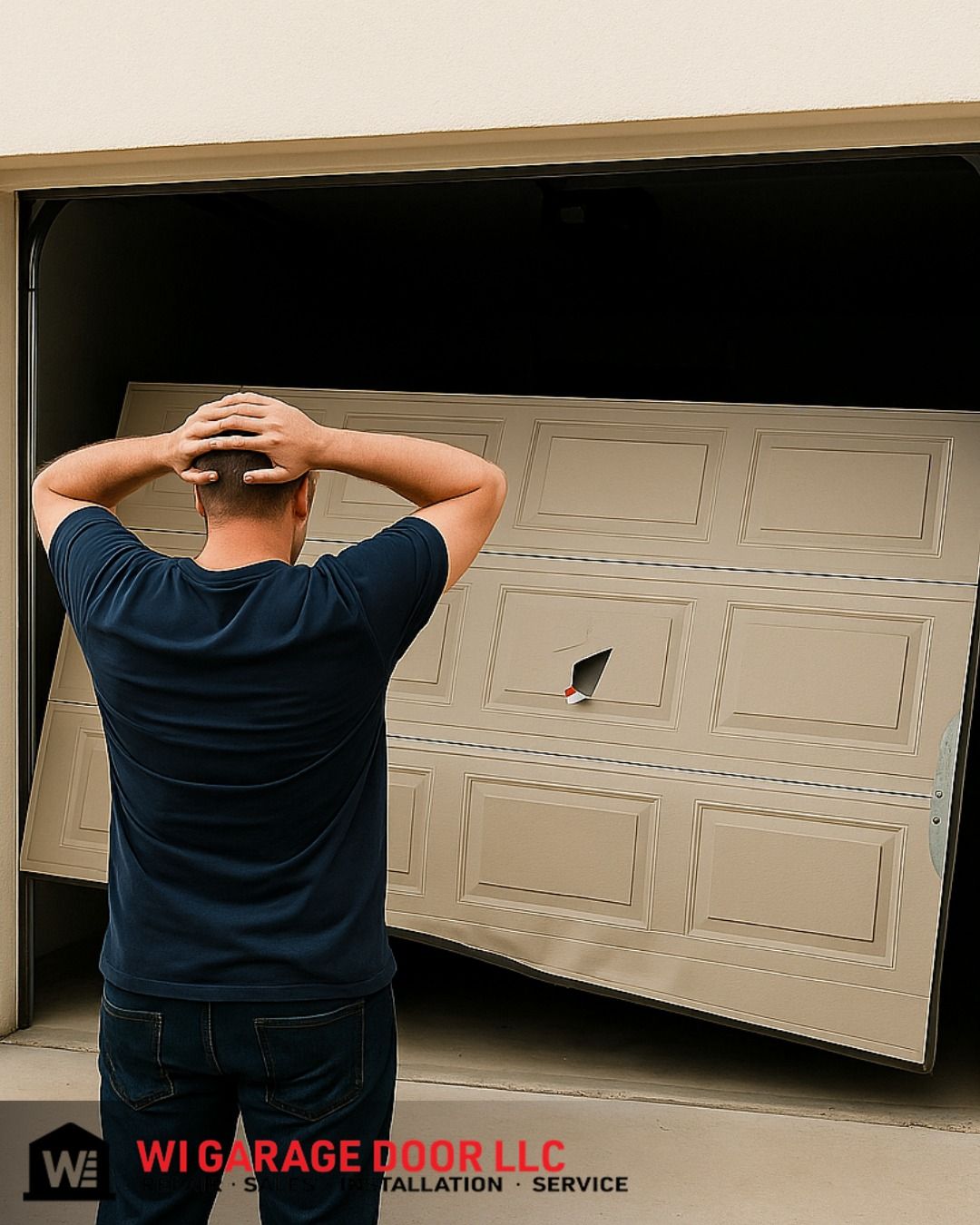
Investing in a garage door is a great way to increase the value of your home. But before you invest in a new door, it's a good idea to have it repaired if you find that it isn't working properly. A faulty opener can lead to a jerky door operation, while a broken spring can lead to a door that will not close.
Understanding the common issues that affect garage doors and knowing when to call a professional versus handling simple fixes yourself can save you time and money. In this comprehensive guide, we'll explore essential garage door repair tips that every homeowner should know.
Understanding Garage Door Springs
The springs in your garage door are designed to counterbalance the weight of the door as it is opened and closed. They can break for several reasons, including extreme temperature changes or wear and tear. If your spring is faulty, you may have to replace it. There are a variety of types of springs available, including extension and torsion, and the price for replacing them will vary depending on the size and type of springs you have.
Spring replacement is one of the most dangerous garage door repairs due to the extreme tension these components are under. Torsion springs, mounted above the door, can store enough energy to cause serious injury if improperly handled. Extension springs, running along the sides, can also snap violently when they fail.
Professional technicians have specialized tools and training to safely replace springs. If you're experiencing spring issues, it's crucial to understand the benefits of hiring professional repair services rather than attempting this dangerous repair yourself.
DIY Repairs vs. Professional Service
Some repairs can be done by yourself, while others require the services of a professional. The cost of repairing a garage door isn't always prohibitive, but it can be quite expensive. If you decide to do it yourself, you'll have to prepare all the tools you'll need. You'll also need to purchase the parts you need to complete the job, which can be costly. In addition, you'll need to have a second person to assist you. This will help ensure that you don't cause further damage.
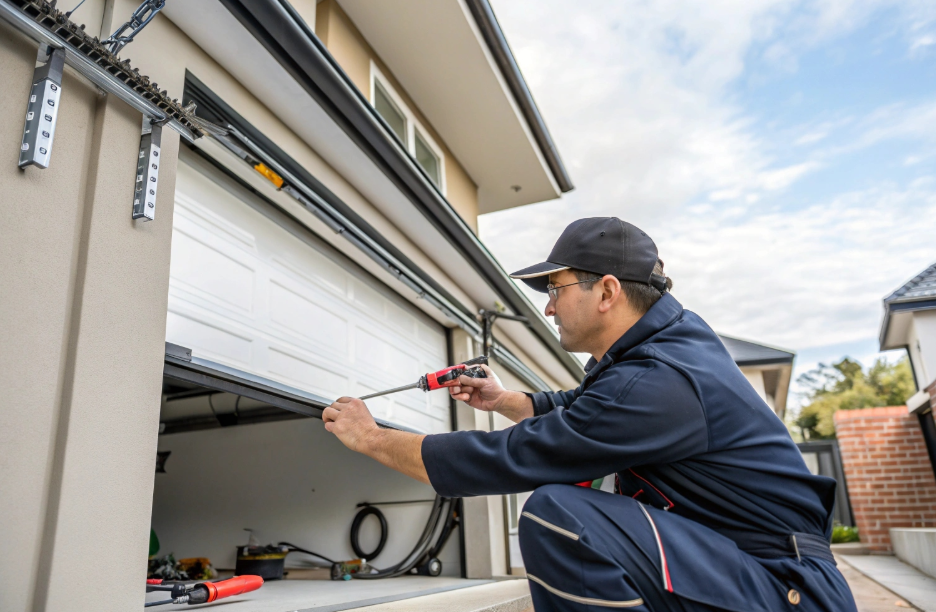
Simple maintenance tasks like lubricating hinges, tightening loose hardware, and cleaning tracks are generally safe for homeowners to perform. However, any work involving springs, cables, or major structural components should be left to professionals. The risk of injury and the potential for causing additional damage often outweigh any cost savings from DIY attempts.
Before deciding between DIY and professional repair, consider reading our guide on how to get garage door repairs done right the first time , which will help you make informed decisions about your repair needs.
Checking and Maintaining Hinges
If you have a roll-up door, you'll want to check that the hinges are in good shape. A loose hinge can cause the door to sag at one side, so you'll need to replace or service the hinges.
Hinge problems often manifest as uneven door operation, strange noises during opening or closing, or visible gaps between door panels. Regular inspection of hinges should be part of your maintenance routine. Look for rust, wear, loose fasteners, or bent metal that could indicate the need for replacement.
When servicing hinges, ensure all fasteners are properly tightened but not over-tightened, as this can strip threads or crack panels. Apply appropriate lubricant to pivot points to reduce friction and extend hinge life.
Addressing Track Misalignment and Damage
A damaged or misaligned track is another common problem with garage doors. This can lead to excessive wear and tear on the track and the door. To repair the track, you'll need to remove it, clean it with a damp cloth and a steel wool pad, then scrubbing it with white vinegar. You can then straighten the track with a soft mallet.
Track alignment is critical for smooth door operation. Even slight misalignment can cause the door to bind, creating excessive strain on the opener motor and other components. Signs of track problems include the door sticking at certain points, loud scraping or grinding noises, and uneven movement.
While minor track cleaning and adjustment might be manageable for experienced DIYers, significant track damage or misalignment requires professional attention. Improper track adjustment can make the problem worse and potentially create safety hazards.
For comprehensive information about common garage door issues and their solutions, check our article on how to fix common garage door snags.
Rail Carriage and Drive Chain Adjustments
If you've been using your garage for a while, chances are that it isn't running as smoothly as it once was. The problem could be caused by a loose or misaligned rail carriage or roller. If this is the case, you'll need to adjust the drive chain. It can be difficult to do this by yourself, so it's best to call a professional.
The drive chain (or belt in newer models) connects the opener motor to the door and requires proper tension to function correctly. Too loose, and the door may not open fully or may slip during operation. Too tight, and you'll put excessive strain on the motor and drive components.
Chain adjustment typically involves loosening mounting bolts, adjusting chain tension to manufacturer specifications, and ensuring proper alignment of the rail carriage. This seemingly simple task requires precision to avoid damaging the opener system.
Cost Considerations and Professional Help
You can often save money by hiring a professional to fix your garage door. A professional technician will be able to diagnose the problem quickly and easily, ensuring that your garage is safe and in good working order. Many companies offer payment plans, which can be helpful for people who don't have the budget to hire a professional.
While it may seem counterintuitive, professional repairs often cost less in the long run than DIY attempts. Professionals diagnose problems correctly the first time, have the right tools and parts on hand, complete work efficiently, and provide warranties on their work. Failed DIY repairs often result in additional damage that increases eventual repair costs.
Understanding the factors that influence repair costs helps you budget appropriately and make informed decisions. For detailed information on this topic, read our comprehensive guide on what makes a garage door cost-effective.
Finding a Reliable Repair Company
If you're looking for a reliable company that will be able to help you with your garage door repair, you'll want to look for a business that offers great reviews on their website and social media. You should also be sure to ask them about their safety policies.
When selecting a garage door repair company, consider factors beyond just price. Look for licensed and insured businesses with established reputations in your community. Check online reviews on multiple platforms, ask for references, and verify their credentials before committing to service.
Quality service providers will offer free estimates, explain all work clearly, provide written quotes, and stand behind their work with comprehensive warranties. They should prioritize safety, use quality parts, and maintain professional standards throughout the repair process.
Conclusion
Maintaining your garage door through regular inspection and addressing problems promptly helps extend its lifespan and ensures safe operation. While some minor maintenance tasks are appropriate for homeowners, most repairs require professional expertise and specialized tools.
Understanding when to call a professional versus handling simple maintenance yourself is key to keeping your garage door in optimal condition. For expert garage door repair services in the Green Bay area, visit our services page to schedule an appointment with WI Garage Door LLC's experienced technicians.