Garage Door Repair Near Me: Common Problems and Their Solutions
Your garage door serves as your home's largest moving component, operating thousands of cycles annually while protecting vehicles, stored possessions, and providing secure home access. When problems arise—strange noises, uneven operation, or complete failures—understanding common issues and their solutions empowers informed decision-making while potentially saving hundreds in unnecessary service calls. This comprehensive guide explores the most frequent garage door problems homeowners encounter, providing practical solutions you can implement immediately alongside critical indicators demanding professional expertise.
Recognizing whether issues require DIY troubleshooting or professional intervention protects both safety and investment. While some problems respond to simple adjustments, others—particularly spring-related issues—present serious safety hazards requiring certified technicians. This guide demystifies garage door repair, helping you distinguish quick fixes from situations demanding immediate expert attention while maintaining optimal door performance protecting your family's safety and convenience.
Noisy Garage Door: Causes and Solutions
Excessive garage door noise creates more than mere annoyance—it signals underlying problems potentially escalating into expensive repairs or dangerous failures. The most common culprits include loose hardware vibrating during operation, worn rollers grinding against tracks, and inadequate lubrication creating friction between moving components. Begin diagnosis by operating your door while listening carefully, identifying whether sounds originate from specific components or occur throughout the entire cycle. Grinding suggests worn rollers or bearings, squeaking indicates lubrication needs, and rattling points to loose hardware.
Address loose hardware systematically by inspecting all nuts, bolts, and screws securing door panels, track mounts, and opener brackets. Use appropriate wrenches to tighten these components, but exercise caution around spring-mounted hardware—never attempt adjusting components under tension without professional training. Focus tightening efforts on hinges connecting door sections, roller mounts, and track brackets where looseness creates operational noise without safety risks. This simple maintenance often eliminates 60-70% of garage door noise complaints while preventing accelerated wear on other components.
Lubrication represents the second critical noise-reduction strategy. Apply silicone-based garage door lubricant to all moving parts: rollers (avoiding wheel surfaces), hinges, springs (from safe distances), and tracks. Avoid WD-40—while popular, it's a solvent rather than lubricant, actually attracting dirt degrading performance over time. Quality garage door lubricants maintain effectiveness through temperature extremes while repelling moisture preventing rust formation. Proper lubrication reduces friction dramatically, extending component lifespan while creating whisper-quiet operation enhancing daily convenience. Understanding how regular garage door service can save you time and money includes recognizing maintenance value. Schedule professional inspection through our comprehensive safety inspection service.
Uneven Closing and Track Alignment Issues
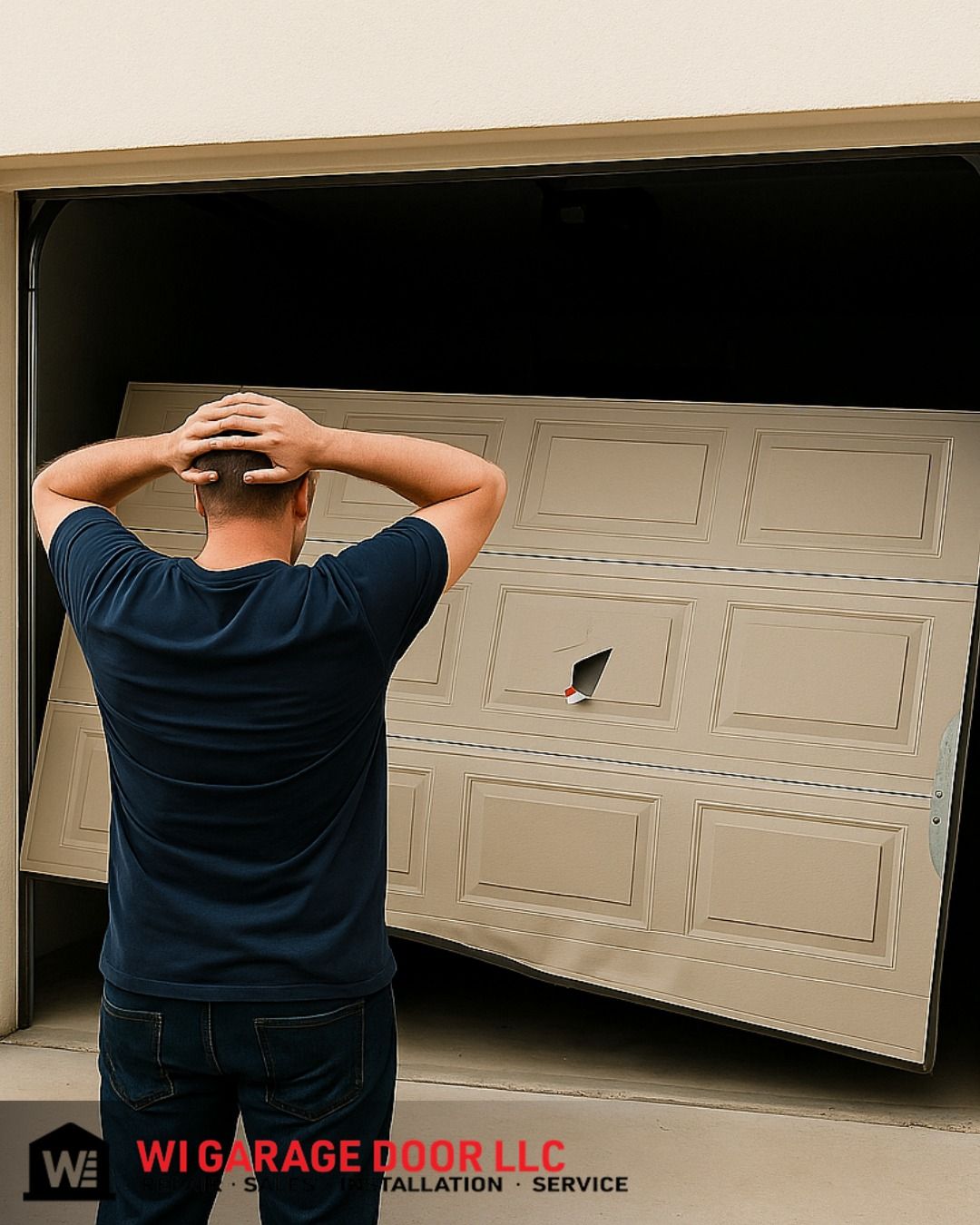
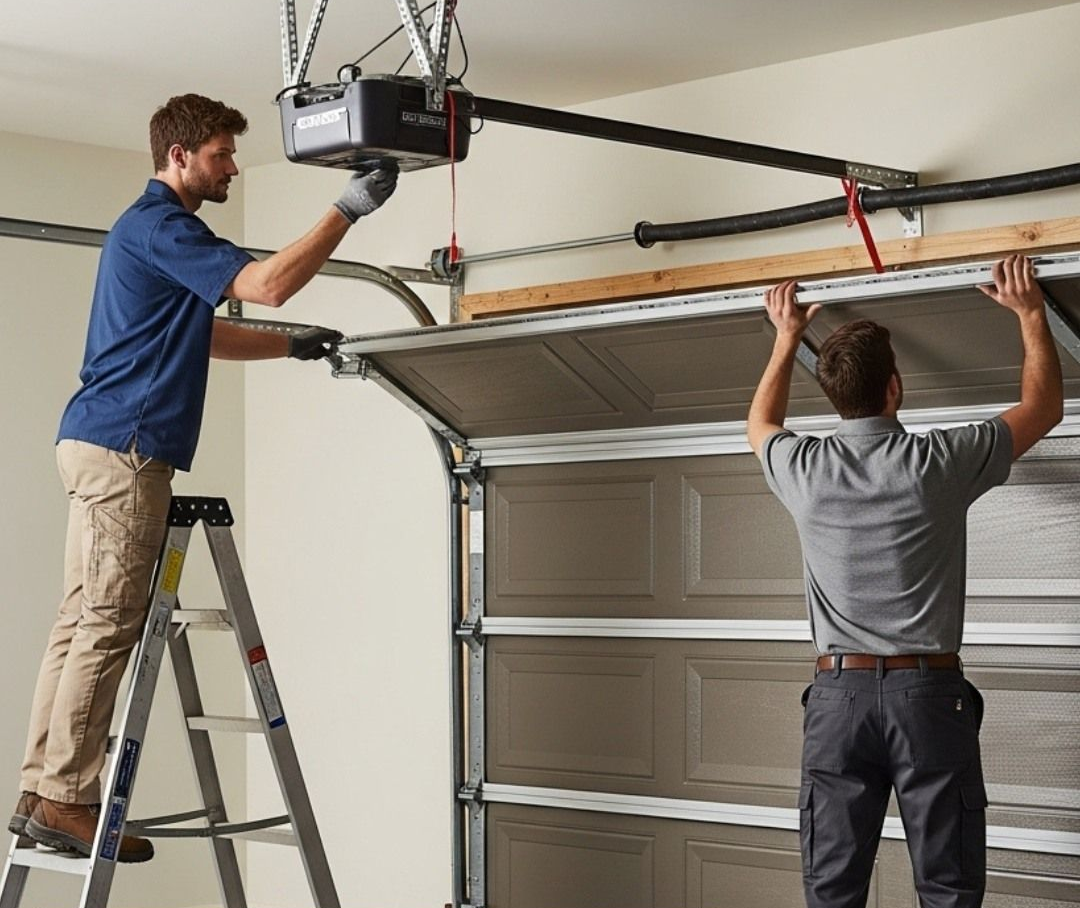
Doors closing unevenly—one side descending faster than the other or gaps appearing between door and frame—indicate serious problems demanding immediate attention. Track misalignment causes most uneven closing issues, creating dangerous situations where doors bind during operation or potentially derail entirely. Begin assessment by disconnecting the opener (pull emergency release cord) and manually operating the door halfway. Properly balanced, aligned doors remain stationary when released; falling or rising indicates spring imbalance or track problems requiring professional correction.
Inspect tracks visually for obvious bends, gaps between rollers and track rails, or debris obstructing smooth roller movement. Use a level to verify tracks maintain vertical plumb and horizontal level throughout their length. Minor adjustments involve loosening track mounting brackets, repositioning tracks to correct alignment, and retightening brackets securely. However, significant track damage—visible bends, cracks, or separation from mounting surfaces—demands professional replacement ensuring structural integrity and operational safety. Attempting major track repairs without proper equipment often worsens damage, converting manageable repairs into expensive complete replacements.
Roller condition significantly impacts closing evenness. Inspect all rollers for wear indicators: flat spots on roller wheels, cracks in roller materials, or excessive play in roller bearings. Worn rollers create uneven resistance causing doors to bind or close unevenly. Replacing worn rollers costs minimal amounts compared to damage caused by continued operation with degraded components. Modern nylon rollers operate more quietly than traditional steel while requiring less maintenance. However, spring-loaded roller replacement demands professional expertise due to extreme tension dangers. Learn about when to call for garage door repair for optimal safety. Contact our 24/7 emergency repair service for urgent situations.
Spring Problems: When Professional Help Becomes Mandatory
Garage door springs rank among the most dangerous components homeowners encounter—storing tremendous energy under extreme tension capable of causing devastating injuries when handled improperly. Two spring types exist: torsion springs (mounted above closed doors) and extension springs (running along tracks). Both require professional replacement when broken, worn, or losing tension. Never attempt spring work yourself—thousands suffer serious injuries annually from DIY spring replacement attempts including broken bones, facial trauma, and permanent disabilities. The money saved attempting DIY work pales compared to medical costs averaging $10,000-$50,000+ for spring-related injuries.
Recognize spring problems through several warning signs. Listen for loud bangs indicating spring breakage—this unmistakable sound signals immediate professional need. Observe door behavior: struggles opening, stops partway, or crashes down quickly all indicate spring issues. Visual inspection from safe distances reveals gaps between spring coils (indicating stretching), rust formation (signaling deterioration), or obvious breaks. Standard residential springs last 10,000-15,000 cycles (7-10 years typical use); track your door's age anticipating proactive replacement before catastrophic failure occurs.
Professional spring replacement provides value far exceeding component costs. Certified technicians possess specialized tools—solid steel winding bars, tension gauges, and safety equipment—unavailable to homeowners. They calculate exact spring specifications matching door weight, height, and usage patterns ensuring optimal performance and maximum lifespan. Comprehensive warranties cover both parts and labor, protecting your investment while guaranteeing proper function. Understanding how to prevent accidents with regular garage door service and maintenance includes recognizing spring dangers. Request professional spring service through our online booking system.
Opener Malfunctions and Remote Control Issues
Garage door openers represent complex electromechanical systems combining motors, gears, electronics, and safety features. Common opener problems include doors not responding to remotes, motors running without door movement, or incomplete opening/closing cycles. Begin troubleshooting with simplest solutions: replace remote batteries (resolving 40% of "opener failure" complaints), ensure power supply integrity, and verify wall button functionality. If wall buttons work but remotes don't, reprogramming typically resolves synchronization issues following manufacturer instructions.
Motor problems manifest through distinctive symptoms. Humming without door movement indicates stripped gears or motor failures requiring professional diagnosis and repair. Intermittent operation suggests electrical issues, limit switch problems, or circuit board failures. Complete unresponsiveness despite power supply verification points to motor burnout or catastrophic electrical failure. While homeowners can address simple remote programming and power supply issues, internal opener repairs demand technical expertise and specialized diagnostic equipment professionals possess.
Safety sensor problems prevent doors from closing properly—a critical feature preventing crushing injuries and property damage. Photoelectric sensors mounted near floor level on both door sides create invisible infrared beams detecting obstructions. Misaligned sensors, dirty lenses, or damaged wiring cause closure failures. Clean sensor lenses with soft cloths and verify proper alignment (indicator lights on both units should glow steadily). If cleaning and alignment don't resolve issues, wiring problems or sensor failures require professional attention ensuring proper safety system function. Learn about how to choose the right garage door installer for quality service. Explore our professional installation services.
Conclusion: Balancing DIY Solutions with Professional Expertise
Understanding common garage door problems and their appropriate solutions empowers smart maintenance decisions protecting both safety and investment. Simple issues—loose hardware, basic lubrication, sensor cleaning—respond well to homeowner intervention saving service call expenses while maintaining optimal performance. However, recognizing limitations proves equally critical: spring work, major track repairs, and complex opener diagnostics demand certified professional expertise preventing injuries and ensuring reliable long-term operation. By accurately assessing problem severity, implementing safe DIY solutions where appropriate, and engaging professionals for dangerous or complex repairs, you maximize door lifespan while protecting family safety and minimizing total ownership costs. Never compromise safety pursuing cost savings—when doubt exists, always choose professional service protecting your family and investment.
Our Services