What Is The Most Cost-Effective Garage Door?
Choosing a cost-effective garage door involves balancing upfront investment with long-term value, energy efficiency, maintenance requirements, and durability. The most economical choice isn't always the cheapest option initially—it's the one that provides the best value over its lifetime while meeting your specific needs and budget.
Understanding the factors that contribute to a garage door's cost-effectiveness helps homeowners make informed decisions that maximize their investment. This comprehensive guide explores material options, insulation values, operational costs, maintenance requirements, and long-term considerations to help you select the most cost-effective garage door for your home.
Material Options and Cost Considerations
Garage door materials significantly impact both initial cost and long-term value. Each material offers different benefits, maintenance requirements, and lifespan expectations. Understanding these differences helps you evaluate true cost-effectiveness beyond simple purchase price.
Steel doors represent the most popular choice for residential applications, offering excellent durability at moderate cost. Steel doors resist warping, don't crack like wood, and require minimal maintenance. They're available in various gauges (thickness), with heavier gauge steel providing better durability and insulation value. Modern steel doors can be finished to resemble wood grain, providing aesthetic appeal without wood's maintenance requirements.
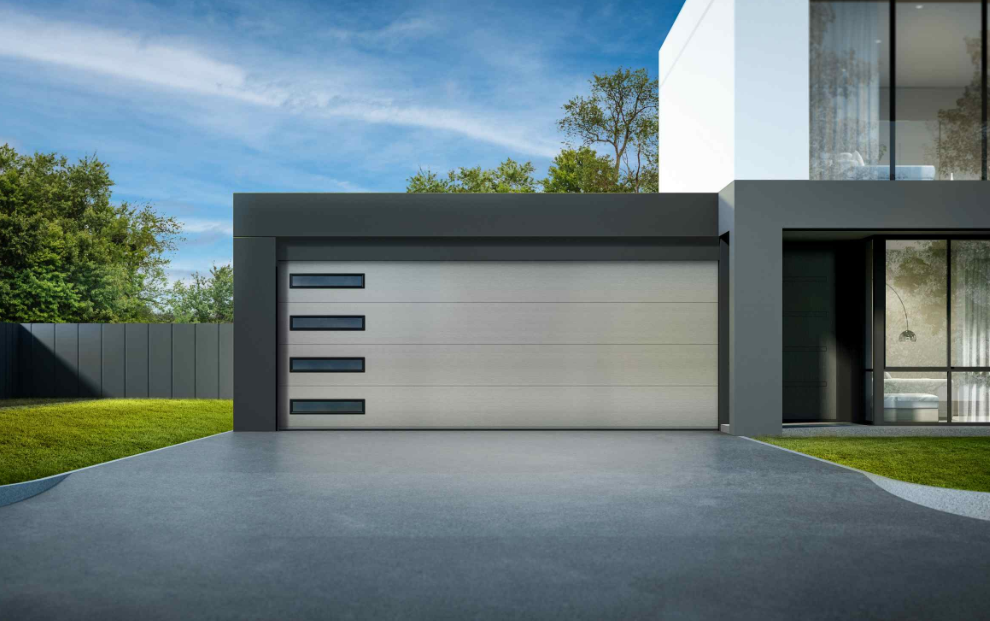
Aluminum doors offer lightweight construction and natural corrosion resistance, making them ideal for coastal areas or humid climates. While aluminum dents more easily than steel, it never rusts and requires virtually no maintenance. Aluminum doors with large glass panels create contemporary designs popular in modern architecture.
Wood doors provide unmatched natural beauty and can be custom-designed to match any architectural style. However, wood requires regular maintenance including painting or staining every few years to prevent weathering. Wood doors cost more initially and have higher ongoing maintenance costs, but their aesthetic appeal may justify the investment for certain properties.
Composite wood doors combine wood's appearance with improved weather resistance and lower maintenance requirements. These doors use wood fiber and resin to create products that look like wood but resist moisture damage, warping, and insect infestation better than natural wood.
Fiberglass doors simulate wood's appearance while offering superior weather resistance and low maintenance. They won't warp, crack, or rot, and they maintain their appearance with minimal upkeep. However, fiberglass can crack under severe impact and may fade over time with prolonged sun exposure.
Insulation and Energy Efficiency
Insulation dramatically affects a garage door's cost-effectiveness, particularly for attached garages or garages used as workshops. Proper insulation reduces energy transfer between your garage and home, lowering heating and cooling costs while improving comfort.
R-value measures insulation effectiveness—higher R-values indicate better insulation. Garage doors typically range from non-insulated (R-0) to heavily insulated (R-18 or higher). Your climate, garage use, and whether the garage is attached determine appropriate insulation levels.
For attached garages in cold climates, investing in higher R-value doors (R-12 to R-18) pays dividends through reduced energy bills and improved home comfort. The temperature-stabilizing effect of insulated doors protects vehicles and stored items while reducing heating/cooling system strain.
Single-layer doors (no insulation) cost least initially but offer no thermal protection. Two-layer doors add insulation between steel panels, providing moderate R-values (R-6 to R-10) at reasonable cost. Three-layer doors sandwich insulation between steel layers with a finished interior, offering maximum insulation (R-12 to R-18), superior durability, and attractive appearance.
Energy-efficient doors reduce heat transfer, stabilize garage temperatures, protect stored items from temperature extremes, reduce noise transmission, and feel more solid and substantial during operation. While insulated doors cost 20-40% more than non-insulated versions, energy savings and improved comfort often justify the investment within 3-5 years.
Operational Systems and Automation
Opener systems significantly impact convenience, security, and long-term costs. Modern openers offer features that improve functionality while potentially reducing energy consumption and maintenance requirements.
Belt-drive openers cost more than chain-drive models but operate more quietly, making them ideal for homes with living spaces adjacent to or above the garage. They require less maintenance and provide smoother operation, potentially extending door component life.
Smart opener systems integrate with home automation, allowing remote monitoring and operation via smartphone. While these systems cost more initially, they enhance security through real-time alerts and access logs, potentially qualifying for insurance discounts. Smart features include vacation mode, automatic closing, activity monitoring, and integration with security systems.
Battery backup systems maintain operation during power outages, preventing you from being locked out or trapped in your garage. This feature provides peace of mind and convenience worth considering for cost-effectiveness calculations.
Maintenance Requirements and Lifetime Costs
Maintenance costs significantly impact long-term cost-effectiveness. Doors requiring frequent maintenance or early component replacement may cost less initially but more over their lifetime.
Regular maintenance extends door life and prevents expensive repairs. Basic maintenance includes lubricating moving parts, tightening hardware, testing safety features, cleaning tracks, and inspecting components for wear. Most homeowners can perform these tasks, requiring only basic tools and lubricants.
Professional maintenance visits (recommended annually) cost $75-150 but identify potential problems before they become expensive failures. Regular professional service typically extends door life by 30-50%, providing excellent return on investment.
For detailed information about maintaining your garage door, read our comprehensive guide on essential garage door repair and maintenance tips.
Warranty Coverage and Protection
Warranties significantly affect cost-effectiveness by protecting against defect-related expenses. Understanding warranty coverage helps you evaluate true long-term value.
Door warranties typically cover materials and workmanship for 1-5 years on basic models, with premium doors offering lifetime warranties. Springs usually carry separate warranties (10,000-50,000 cycles) based on expected usage. Opener warranties range from 1-5 years on basic models to lifetime coverage on premium units.
Installation warranties from professional installers cover workmanship for 1-2 years, protecting against installation-related problems. Some manufacturers void product warranties if installation isn't performed by certified professionals, making professional installation crucial for warranty protection.
Climate Considerations
Your climate significantly influences which garage door provides best cost-effectiveness. Doors suited to local conditions last longer and perform better, maximizing value.
Cold climates demand well-insulated doors to prevent heat loss and protect against temperature-related material stress. Look for thermal break technology, weather sealing, and high R-values. Materials that resist cold-weather brittleness perform best in northern regions.
Hot climates require doors with UV-resistant finishes, reflective properties to reduce heat absorption, and materials that don't warp or degrade in intense heat. Light-colored doors reflect heat better than dark colors, reducing garage temperatures.
Coastal areas need corrosion-resistant materials like aluminum or galvanized steel with protective finishes. Stainless steel hardware resists salt corrosion better than standard hardware. Regular rinsing removes salt deposits that accelerate corrosion.
High-humidity regions require materials resistant to moisture damage, mold, and mildew. Aluminum and fiberglass outperform wood in humid conditions. Proper ventilation prevents moisture accumulation that damages doors and contents.
Size and Configuration Impact
Garage door size and configuration affect cost-effectiveness through material requirements, complexity, and operational considerations. Single doors cost less than double doors of equivalent total width but may provide less flexibility.
Standard sizes (8x7, 9x7, 16x7, 16x8) cost less than custom sizes due to manufacturing efficiencies. If your opening accommodates standard sizes, choosing them over custom dimensions reduces costs without sacrificing functionality.
Single-car doors (typically 8-10 feet wide) cost less individually but require more wall space and hardware than one double-car door spanning the same width. Double-car doors (16-18 feet wide) provide easier access for large vehicles or multiple vehicles entering simultaneously.
Aesthetic Value and Property Impact
Garage doors significantly affect curb appeal and property value. An attractive, well-maintained door enhances home appearance and marketability, contributing to cost-effectiveness through increased property value.
The right door style complements your home's architecture without expensive custom work. Traditional raised-panel doors suit most architectural styles. Carriage house doors add character to colonial, craftsman, or traditional homes. Contemporary flush doors with minimal hardware suit modern architecture. Modern aluminum and glass doors make bold architectural statements.
Color selection impacts both aesthetics and maintenance. Light colors reflect heat and show dirt less than dark colors. Neutral colors (white, almond, gray) appeal to broader audiences if selling your home. Bold colors make strong statements but may limit future buyer appeal.
Window options add natural light and visual interest but increase cost and reduce insulation slightly. Decorative hardware adds character without functional changes. Balance aesthetic preferences with cost-effectiveness by prioritizing features that enhance value without excessive expense.
Safety Features and Security
Safety features protect family members and property while potentially reducing insurance costs. Modern doors include mandatory safety features plus optional security enhancements that affect cost-effectiveness.
Required safety features include photoelectric sensors that reverse the door if objects interrupt the beam, and force settings that reverse the door if resistance is met. These features prevent serious injuries and property damage.
Optional security features include rolling code technology that prevents hacking, vacation lock mode that disables all remotes, timer-to-close functionality that automatically closes after a set period, and smartphone monitoring with real-time alerts.
For information about common issues and proper repair approaches, read our guide on fixing common garage door snags.
Installation Quality and Professional Service
Professional installation significantly affects cost-effectiveness through proper setup, warranty validation, and reduced future problems. While DIY installation saves money initially, improper installation causes expensive problems and voids warranties.
Professional installers ensure proper track alignment, correct spring tension, appropriate seal installation, safety feature calibration, and opener programming. These details dramatically affect door operation, longevity, and safety.
Understanding the benefits of professional service helps you make informed decisions. Read our comprehensive article on the key benefits of hiring professional garage door services.
Timing Your Purchase for Best Value
Timing affects garage door costs significantly. Understanding seasonal patterns and market factors helps you maximize value.
Off-season purchases (late fall, winter) often provide better pricing as demand drops. Manufacturers and installers run promotions during slow periods. End-of-model-year sales (typically late summer/early fall) offer discounts on outgoing models.
Emergency replacements cost more due to limited options and urgency. Planning ahead allows you to compare options, negotiate pricing, and schedule installation at convenient times. Replacing failing doors before complete failure avoids emergency service premiums.
Calculating Total Cost of Ownership
True cost-effectiveness requires calculating total ownership costs over the door's expected lifespan. This analysis reveals which options provide best long-term value.
Purchase price includes door, opener, installation, hardware, and any customization. Ongoing costs include energy impact (heating/cooling), maintenance (DIY and professional), repairs, and eventual replacement. Indirect costs include convenience, security, and property value impact.
Example comparison: A $1,200 insulated steel door with $200 annual energy savings versus a $700 non-insulated door. Over 15 years, the insulated door saves $3,000 in energy costs minus the $500 upfront premium, netting $2,500 in savings plus improved comfort and home value.
For guidance on getting repairs done correctly, read our article on how to get garage door repairs done right the first time.
Making Your Decision
The most cost-effective garage door balances initial investment with long-term value specific to your situation. Consider your climate, garage use, budget, home value, and how long you plan to remain in your home.
For most homeowners, mid-range insulated steel doors with reliable belt-drive openers provide optimal cost-effectiveness. They balance reasonable purchase prices with low maintenance, good energy efficiency, and long service life. Premium features make sense for attached garages in extreme climates or when garage space serves multiple purposes.
Budget-conscious buyers should prioritize quality basics over extensive features. A well-insulated, properly installed basic door outperforms a poorly installed premium door. Invest in professional installation, adequate insulation for your climate, and reliable safety features before adding cosmetic or convenience upgrades.
Conclusion
Determining the most cost-effective garage door requires analyzing multiple factors including material durability, energy efficiency, maintenance requirements, climate suitability, and long-term value. The cheapest initial option rarely provides best cost-effectiveness over the door's lifetime.
Focus on doors that balance reasonable purchase price with low operating costs, minimal maintenance requirements, and long service life. Proper installation by qualified professionals protects your investment and ensures optimal performance.
For expert guidance on selecting, installing, and maintaining cost-effective garage doors in the Green Bay area, visit our services page to schedule a consultation with WI Garage Door LLC's experienced team.
Our Services