Comprehensive Guide to Garage Door Spring Replacement
In the domain of home maintenance, garage door spring replacement stands out as a task that demands precision and understanding of the mechanics involved. The process begins with the essential step of identifying whether your garage utilizes torsion or extension springs, each catering to different weight distributions and operational demands.
This comprehensive guide aims to equip you with knowledge about the replacement process, emphasizing the significance of adhering to safety protocols to prevent injuries and ensure functionality. By understanding the detailed steps professionals follow, homeowners can make informed decisions about when to call for expert service rather than attempting dangerous DIY repairs.
Identifying Your Spring Type
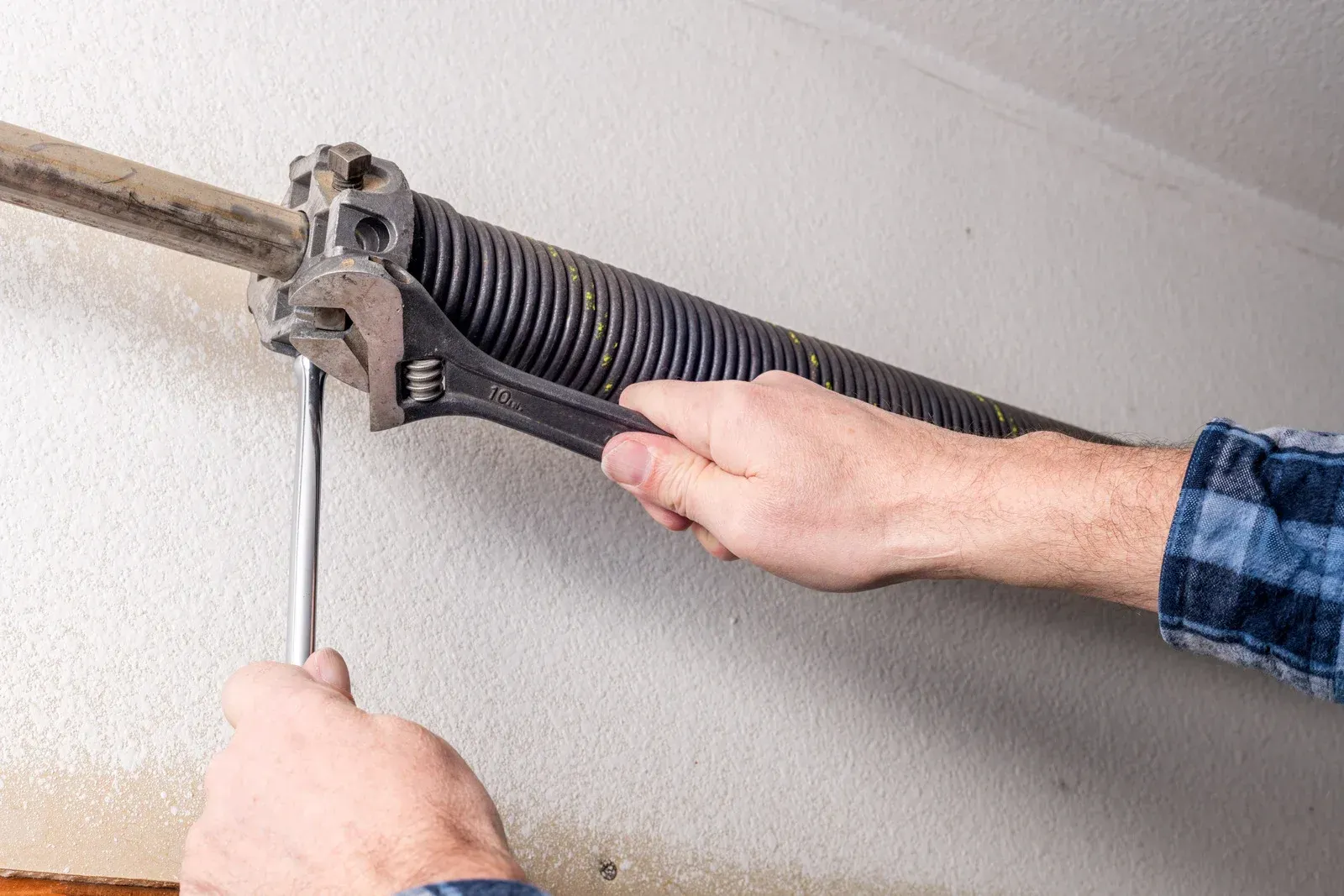
Identifying the type of spring your garage door utilizes is a critical first step in understanding your system. Generally, there are two primary types of garage door springs: torsion springs and extension springs. Torsion springs mount horizontally above the door opening, winding around a metal shaft to store and release energy through rotational force.
Extension springs, conversely, stretch along the horizontal tracks on either side of the door, extending and contracting with door movement. Torsion systems typically last longer (15,000-30,000 cycles) and provide smoother, more balanced operation than extension springs (10,000-15,000 cycles). Learn about understanding the different types of garage door springs for replacement to identify your system correctly.
Your door's weight, height, and usage frequency determine which system works best. Double-car doors typically require two torsion springs for proper weight distribution. Professional assessment ensures you have correctly-rated springs preventing premature failure and ensuring safe operation.
The Professional Replacement Process
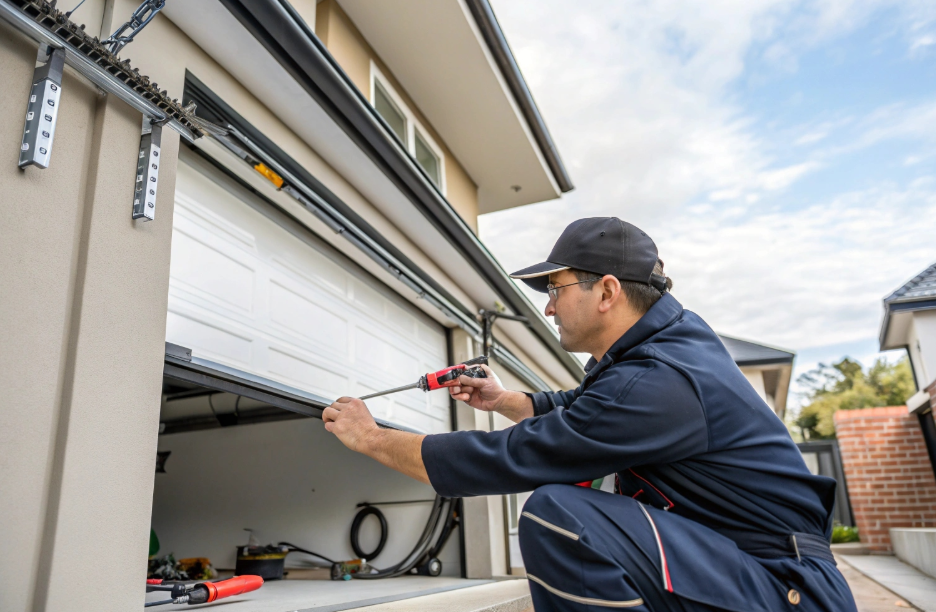
Professional garage door spring replacement follows a systematic, safety-focused protocol. Certified technicians begin by disconnecting the automatic opener and securing the door in the closed position using C-clamps or vise grips. They carefully release spring tension using specialized solid steel winding bars designed specifically for this purpose—never screwdrivers or makeshift tools.
Next, they remove old springs from the torsion shaft, inspecting all related components including cables, drums, bearings, and tracks for wear or damage. Any compromised parts are replaced during this service, preventing future failures. New springs are installed with precise specifications matching your door's exact weight and dimensions.
The critical calibration step involves winding springs to exact tension—typically 7-9 quarter-turns per foot of door height. This precision requires years of experience and calibrated tools ensuring perfect balance. Finally, technicians perform comprehensive testing through multiple open/close cycles, checking balance, adjusting limit switches, and verifying safety sensor function. Discover the comprehensive torsion spring replacement process professionals follow.
Why Professional Service is Essential
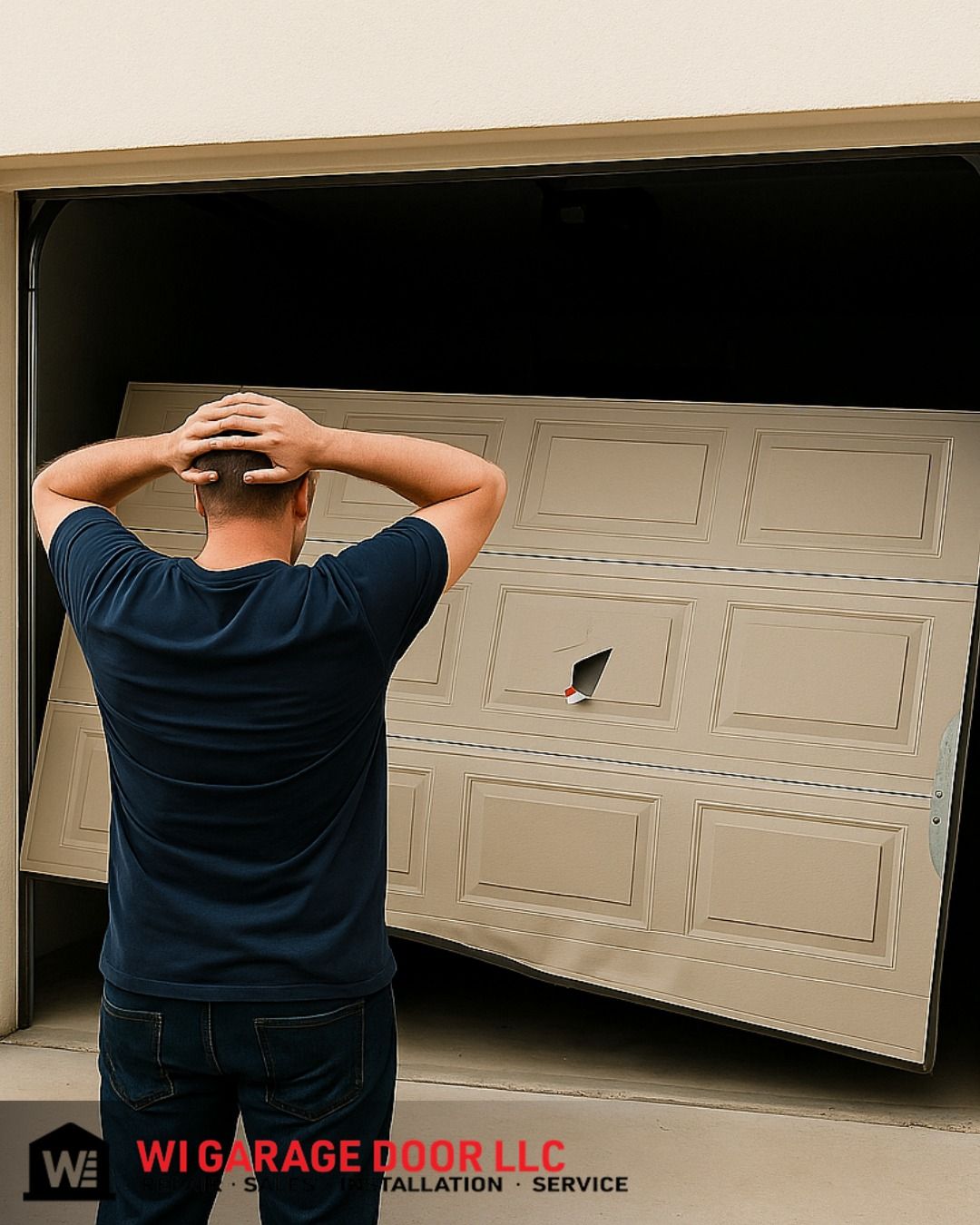
The garage door industry, safety organizations, and insurance companies unanimously recommend professional spring replacement due to extreme danger and technical complexity. Torsion springs store tremendous energy—enough to cause fatal injuries if mishandled. Thousands of people are hospitalized annually from DIY spring accidents, with many suffering permanent disabilities.
Beyond safety, professional installation ensures optimal performance and longevity. Improperly tensioned springs cause uneven door operation, premature opener failure, and potential system collapse. Professionals use calibrated tension gauges and techniques developed through extensive training to achieve perfect balance every time.
Professional services include comprehensive warranties covering parts and labor, plus liability insurance protecting you from accidents. The typical cost ($150-$350) is minimal compared to medical bills, property damage, or the priceless value of your family's safety. Learn when to call for garage door repair and why spring replacement always demands expert service.
Additionally, professionals inspect your entire door system during replacement, identifying potential issues before they become expensive failures. This comprehensive approach provides better long-term value than any DIY attempt. Understanding garage door spring replacement cost helps you budget appropriately for this essential professional service.
Conclusion
Garage door spring replacement is a complex, dangerous task requiring specialized knowledge, tools, and training that only certified professionals possess. While understanding the process helps homeowners appreciate professional expertise, actual spring replacement should never be attempted as a DIY project. The extreme tension, precision calibration requirements, and potential for catastrophic injury make professional installation the only responsible choice. Protect your family, your investment, and your peace of mind by trusting this critical maintenance task to qualified experts who guarantee safe, reliable results.