Spring Replacement Guide: Essential Repair Strategies
Garage door spring replacement is a critical maintenance task that requires precise, informed execution to safeguard both the functionality and safety of your garage door. The springs, which bear the full weight of the door as it opens and closes, are prone to wear and failure over time.
Important Safety Note: This guide provides educational information about spring replacement. Due to the extreme danger involved with high-tension springs, we strongly recommend professional installation by certified technicians.
Before attempting any work, it's imperative to accurately diagnose the condition of existing springs and understand the type of springs your door system uses. This guide covers essential steps from identifying signs of wear to understanding professional installation, emphasizing the detailed techniques required to manage inherent risks associated with high-tension springs.
Identifying Worn Garage Springs
Determining when garage door springs have worn out is vital to maintaining the safety and functionality of your garage door system. Early identification prevents unexpected failures that can damage your door, vehicle, or cause injury. Common signs of spring wear include visible gaps between coils, rust formation, and unusual stretching or deformation.
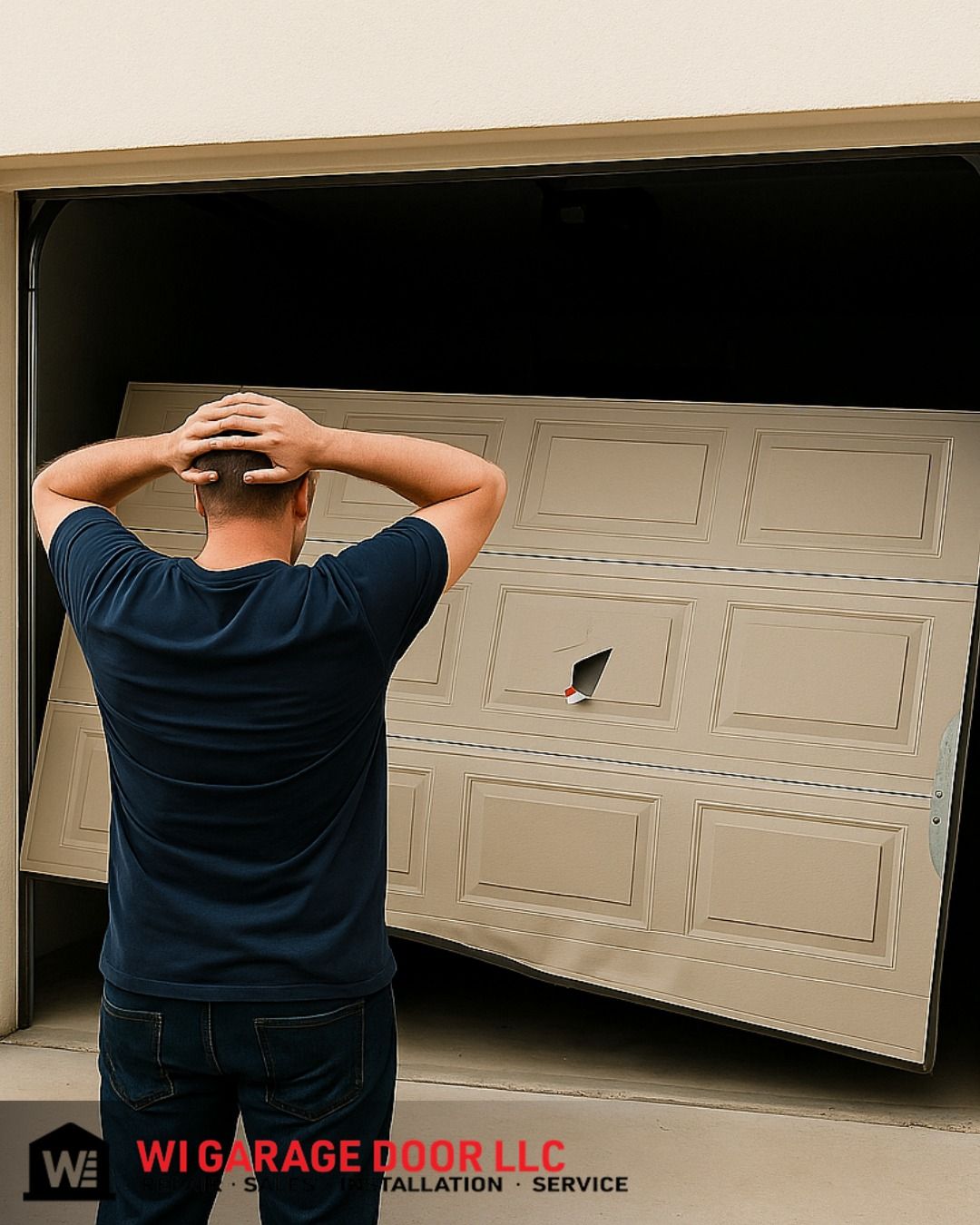
Additionally, if your door struggles to open, closes too quickly, or appears crooked during operation, springs may be nearing failure. A simple balance test reveals spring condition: disconnect the opener, manually lift the door halfway, and release. If it stays in place, springs are balanced; if it falls or rises, they need attention. Learn how to spot when your garage door springs need replacing for early detection.
Track the age and cycle count of your springs. Most residential springs last 7-10 years or 10,000-15,000 cycles. If your springs approach these limits, proactive replacement prevents dangerous failures. Understanding when it's time for garage door torsion spring replacement helps you plan ahead.
Essential Repair Strategies and Professional Process
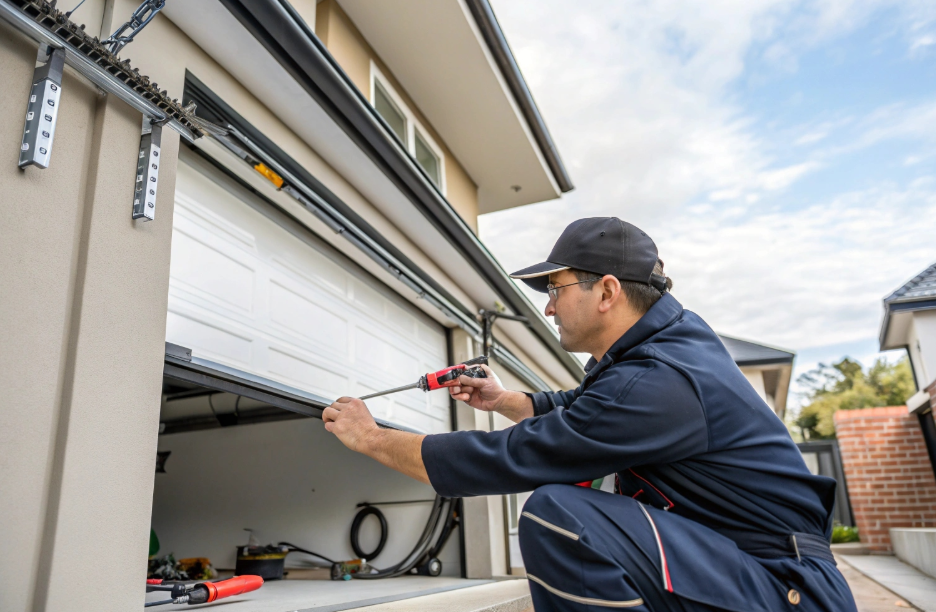
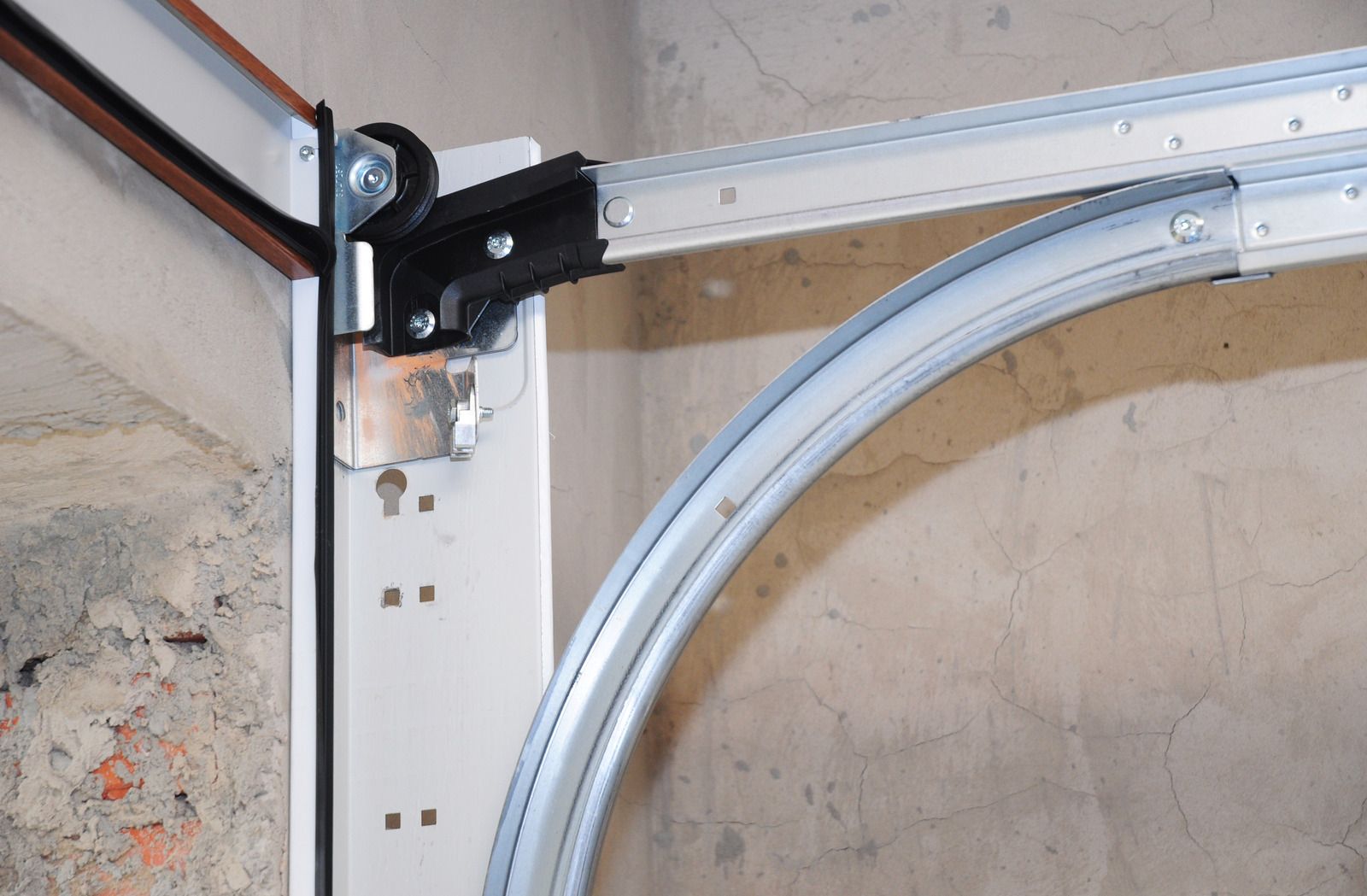
Professional spring replacement follows a systematic approach ensuring safety and proper function. Certified technicians begin by securing the door, releasing spring tension using specialized winding bars (never screwdrivers), and carefully removing old springs. They inspect all related components—cables, drums, bearings, and tracks—replacing any showing wear.
New springs are installed with precise specifications matching your door's weight, height, and usage pattern. The critical step involves winding springs to exact tension, typically 7-9 quarter-turns per foot of door height. This precision requires calibrated tools and years of experience—something DIY attempts cannot replicate.
Professional services provide warranties covering parts and labor, plus liability insurance protecting you from accidents. They also perform comprehensive balance testing and system integration checks, ensuring your opener, springs, and door work together optimally. Learn about the comprehensive torsion spring replacement process professionals follow.
Why Professional Service is Non-Negotiable
The garage door industry, insurance companies, and safety organizations unanimously agree: spring replacement demands professional service. Torsion springs store enough energy to cause fatal injuries—thousands of people are hospitalized annually from DIY spring accidents. Even experienced professionals treat these components with extreme caution.
Beyond safety, professional installation ensures longevity and performance. Improperly tensioned springs cause premature opener failure, uneven wear, and potential system collapse. Professionals achieve perfect calibration using specialized gauges and techniques developed through extensive training.
The cost difference between professional service ($150-$350) and potential medical bills, property damage, or worse makes this decision clear. Your garage door system is a major investment protecting your vehicles, possessions, and family. Trust it only to qualified experts who guarantee safe, reliable operation. Discover how to choose the right garage door installer for your replacement needs.
Conclusion
Understanding spring replacement strategies helps homeowners recognize worn springs early and appreciate the complexity of professional service. While identifying wear signs and conducting balance tests are safe DIY activities, actual spring replacement should always be left to certified professionals. The extreme danger, specialized equipment requirements, and precision needed make professional installation the only responsible choice for protecting your family and investment.