How to Tell When Your Garage Door Springs Are Worn Out
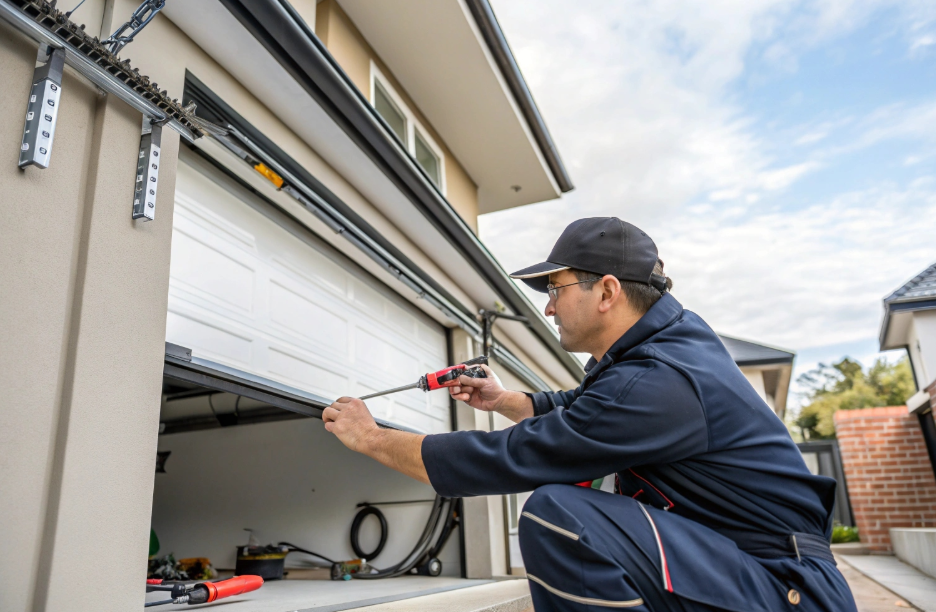
Your garage door springs play a crucial role in ensuring smooth operation, balancing the weight of the door as it opens and closes. Over time, these springs experience wear and tear due to frequent use, exposure to the elements, and general aging. Knowing how to identify signs of wear early on can help prevent unexpected failures that may leave you unable to access your garage.
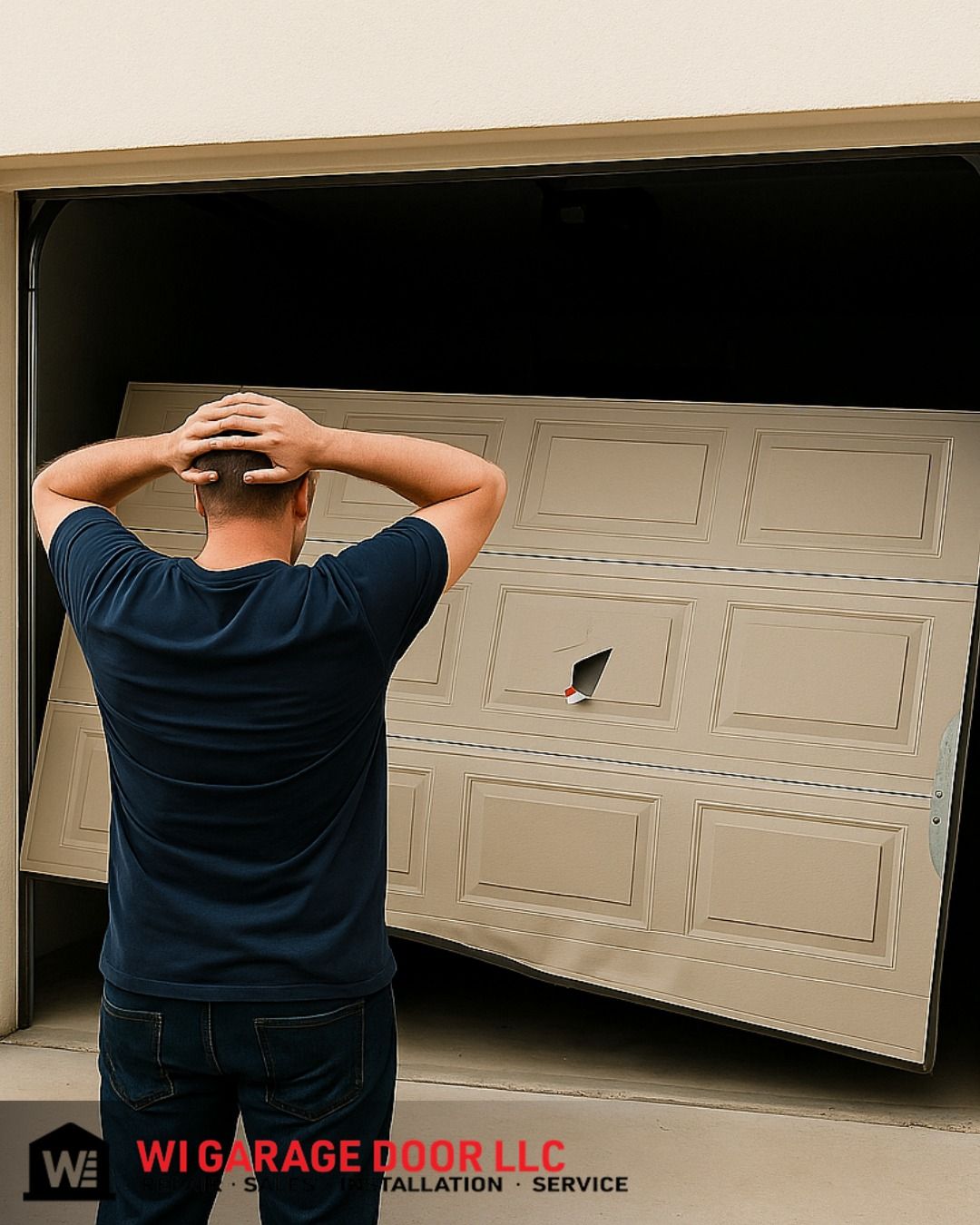
Recognizing these warning signs allows you to take proactive steps and schedule a garage door spring replacement before a complete breakdown occurs, ensuring the continued functionality and safety of your door. Ignoring early signs of wear can lead to more extensive damage, which not only increases repair costs but may also pose a safety risk to anyone using the garage.
Slow or Uneven Door Movement
One of the most common indicators that you may need a garage door spring replacement is slow or uneven movement when opening or closing the door. If you notice that your garage door hesitates, jerks, or struggles to lift smoothly, it could be due to worn-out springs that are losing their tension. Springs that have stretched out or started to weaken may no longer provide the proper counterbalance for the weight of the door, leading to inconsistent motion.
This issue can put extra strain on the garage door opener, potentially leading to additional repairs if left unaddressed. Regular inspections can help catch these early signs before the situation worsens. A professional assessment can determine whether simple adjustments can restore balance or if a full garage door spring replacement is necessary to maintain optimal function.
When you first notice these symptoms, it's important to avoid forcing the door open or closed. Forcing a door with weak springs can accelerate the deterioration process and potentially cause the springs to snap entirely. Instead, minimize door usage and call a professional to evaluate the situation as soon as possible.

Loud Noises and Visible Wear
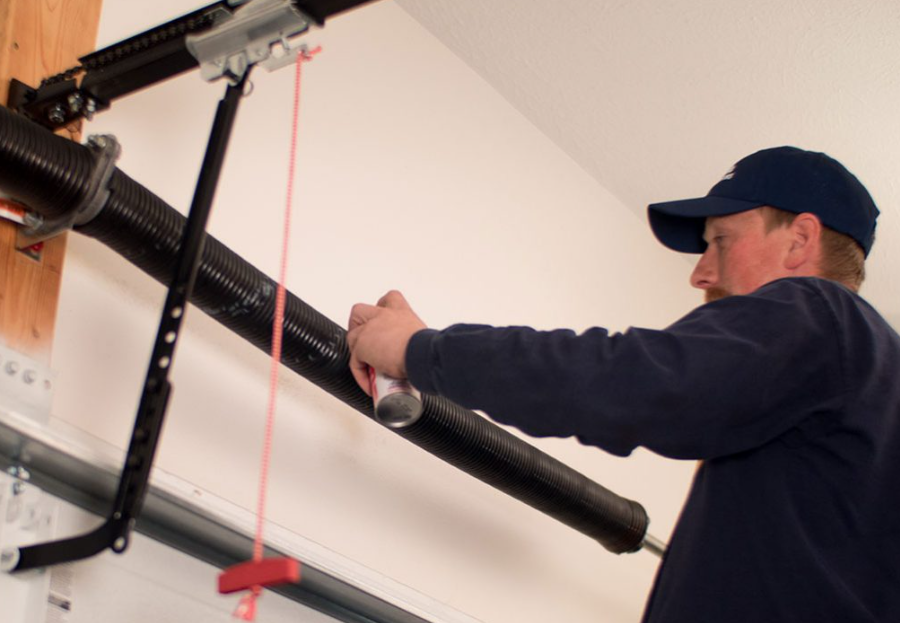
Another clear sign of spring deterioration is the presence of loud noises such as squeaking, grinding, or popping sounds when operating the door. These sounds often indicate that the springs are under extreme stress and may be nearing the end of their lifespan. In some cases, you may also notice visible gaps or stretching in the coils, indicating that the metal has lost its ability to contract and expand properly.
If you see fraying, rust, or any visible damage to the springs, it's a strong indication that a garage door spring replacement is needed. Ignoring these signs could lead to sudden failure, which can be both dangerous and costly to fix. It's always best to replace worn-out springs before they break, as waiting until failure occurs can result in more extensive damage to the garage door system, including misalignment or track issues.
Visual inspection should be performed carefully and from a safe distance. Never attempt to touch or manipulate garage door springs, as they are under extremely high tension and can cause serious injury if they snap while you're working on them. If you notice any of these warning signs, contact a professional garage door technician immediately.
Difficulty Opening the Door Manually
If you try to open your garage door manually and find it unusually heavy or difficult to lift, this is another clear indication of spring wear. A properly functioning spring system should make the door feel relatively light and easy to open, even if your opener is not functioning. If the door feels significantly heavier than usual, the springs are likely worn out and not providing adequate support.
This difficulty opening the door manually is particularly noticeable if you normally open it with your opener and then attempt to lift it by hand during a power outage or opener malfunction. The dramatic difference in effort required can be a wake-up call that your springs need attention soon. Professional spring replacement will restore the proper balance and make your door easy to operate again.
Safety is paramount when testing manual door operation. If you find the door extremely difficult to lift, do not force it. This could cause injury or further damage to the system. Stop immediately and contact a professional technician to assess the situation.
Professional Spring Inspection
Scheduling regular professional inspections of your garage door system can help identify spring wear before problems become critical. Experienced technicians can perform detailed assessments of spring condition, tension, and overall system balance. They can predict when replacement will likely be needed and help you plan for the service.
Professional inspection is especially important if you live in Green Bay, where harsh winter conditions can accelerate spring deterioration. Cold temperatures make metal more brittle, and temperature fluctuations cause repeated expansion and contraction that can shorten spring lifespan. A professional evaluation can help you understand how your local climate is affecting your springs and what preventive measures might help.
Most experts recommend professional garage door inspections at least annually, particularly before winter months. This proactive approach can prevent unexpected failures and help you budget for any necessary repairs or replacements that may be needed.