Expert Tips for Garage Door Repair: Cable Replacement Made Easy
In the realm of home maintenance, the functionality of the garage door often remains overlooked until a malfunction occurs. A critical component that ensures the smooth operation of the garage door is the garage door cable. If you've noticed your garage door behaving erratically, the culprit may well be a worn-out or broken cable.
It's a common issue that many homeowners face, but the good news is, with a bit of knowledge and the right tools, cable replacement can be a straightforward process. Nevertheless, it is crucial to understand the intricacies involved in this task to ensure safe and effective execution. This discussion will provide expert tips on garage door repair, focusing on cable replacement, to equip you with the necessary skills for this DIY task.
Understanding Garage Door Cables
To fully grasp the intricacies of garage door repair, it's essential to delve into the role and function of garage door cables, a critical component often overlooked. These cables, typically fashioned from high-strength steel, serve the crucial function of tensioning and balancing the garage door's weight. By doing so, they ensure the smooth and safe operation of the door, preventing it from falling or slamming shut.
Garage door cables work in conjunction with springs to support the door's weight during operation. As the door moves, the cables guide it along the tracks while the springs provide the lifting force. This teamwork between springs and cables is essential for proper door function. When springs are weakening or broken, the cables bear additional stress, which can lead to accelerated wear or even cable breakage.
However, over time, these cables may fray, loosen, or snap due to wear and tear, necessitating prompt repair or replacement. Understanding their function and recognizing the signs of damage is the first step towards efficient garage door maintenance. As part of our community of garage door enthusiasts, your knowledge in this area contributes to everyone's safety and security.
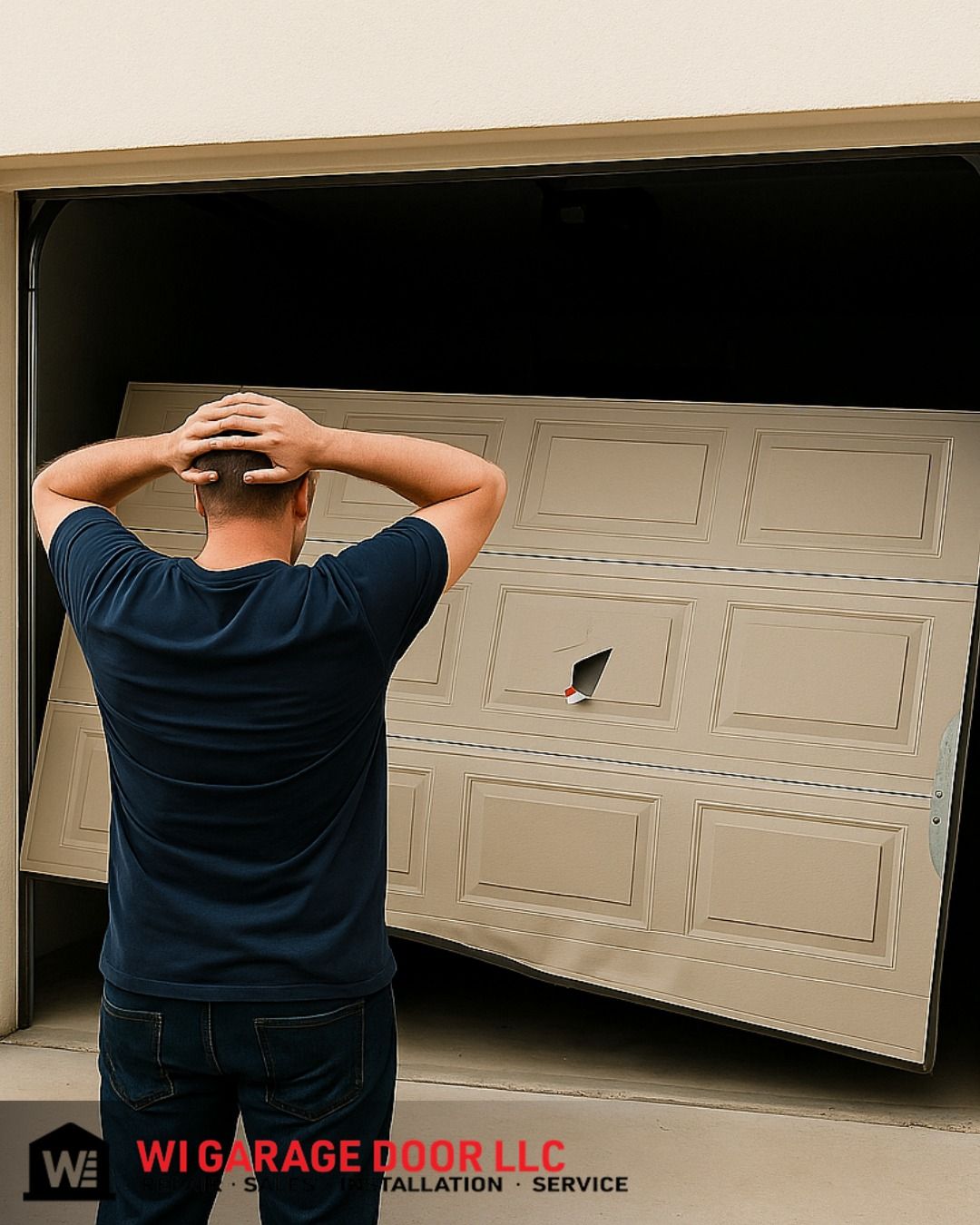
Common signs of cable damage include visible fraying at the ends, gaps or separations in the cable strands, and difficulty opening or closing the door smoothly. If you notice that your door is moving unevenly or if one side is higher than the other when opening, cable damage is often the culprit. Addressing cable issues promptly prevents further damage to your garage door system.

Safety Considerations Before Starting
Safety should always be your top priority when working with garage doors. Garage door cables are under tremendous tension, much like the springs they work with. If a cable snaps while you're working on it, the released tension can cause serious injury. Before attempting any cable replacement work, ensure that you have proper safety equipment and understand the risks involved.
Always disconnect the garage door opener before starting work. This prevents the door from accidentally operating while you're working on it. Make sure to manually secure the door in an open position using a C-clamp or locking pliers on the track to prevent it from accidentally closing. Keep children and pets away from the work area, as garage door repair involves hazardous components and heavy equipment.
Consider whether DIY replacement is appropriate for your situation. While cable replacement can be done by homeowners in some cases, more complex issues or damaged cable drums may require professional assistance. If you're uncomfortable with the process or if you notice additional damage beyond simple cable wear, contacting a professional garage door technician is the safer choice. Professional technicians have specialized tools and insurance coverage that protect both them and your property in case of accidents.
Step-by-Step Cable Replacement Guide
Having understood the significance of garage door cables and the potential issues that may arise, we can now explore a comprehensive guide on how to replace these vital components. Proper preparation is essential before beginning any work on your garage door cables.
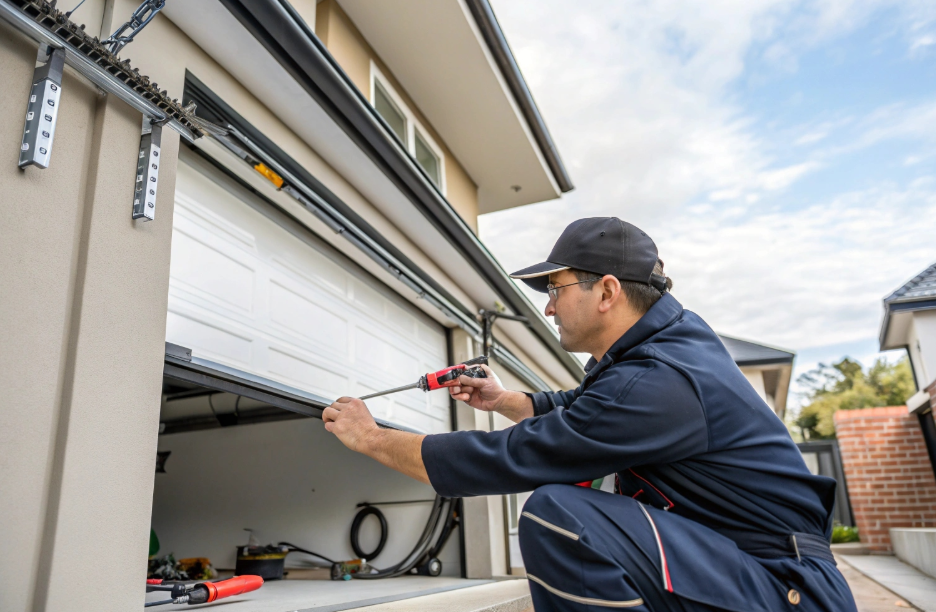
1. Preparation: First, ensure you have the necessary tools including a winding bar, wrenches, and a new cable of the correct size. Safety should be your top priority, so wear proper protective gear including safety glasses and work gloves. Measure your existing cable carefully to ensure you purchase the correct replacement. Consult your garage door's manual or contact the manufacturer to determine the right cable gauge and length for your specific door.
2. Unwind the Old Cable: Carefully release the tension on the springs using the winding bar, then unwind the cable. This step requires careful handling as the springs are under significant tension. Work slowly and deliberately to avoid accidents. If you're unfamiliar with spring release procedures, this is a good point to consider calling a professional.
3. Remove the Old Cable: Disconnect the cable from the bottom bracket and drum. You may need to use a wrench to loosen bolts holding the cable in place. Keep track of all hardware and bolts as you'll need them for the new cable installation. Take photos during disassembly so you can reference them during reassembly.
4. Install the New Cable: Attach the new cable to the bottom bracket, then wind it around the drum and tension the spring. Make sure the cable is wound correctly around the drum, with even spacing between wraps. Proper winding ensures smooth operation and prevents premature cable wear. The cable should be tight and secure without any slack.
Testing and Adjustment
After completing the cable replacement, testing is crucial to ensure proper installation and safe operation. Slowly raise and lower the door several times, listening for any unusual sounds and watching for uneven movement. The door should open and close smoothly without jerking or sticking. If you notice any problems, stop immediately and assess the situation before continuing.
Check that both sides of the door are at equal heights during operation. If one side is higher than the other, this indicates improper cable tension or installation. The door should move smoothly and remain balanced throughout its travel. Any deviation from smooth operation suggests that adjustment is needed.
Once you're confident that the door is operating correctly, perform a final safety check. Test the emergency release mechanism to ensure it still functions properly. Verify that the door closes securely at the bottom and opens fully without obstruction. These final checks ensure that your garage door is safe for regular use.