Safe and Effective Garage Door Spring Replacement: Repair Techniques
SAFETY WARNING: This guide provides educational information only. Garage door spring replacement is extremely dangerous. We strongly recommend professional installation by certified technicians.
Understanding safe and effective spring replacement techniques helps homeowners recognize the complexity and danger involved, reinforcing why professional service is essential. This guide explains proper approaches while emphasizing that these techniques should only be performed by trained, certified professionals with specialized equipment.
Professional Safety Techniques
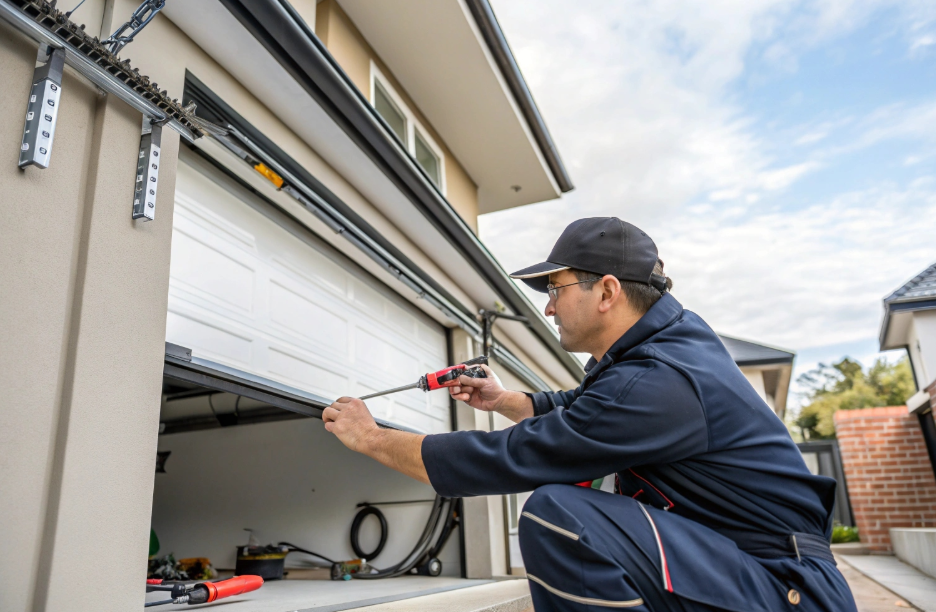
Safe spring replacement begins with comprehensive safety protocols that professional technicians follow meticulously. First, they disconnect all power sources and secure the door using C-clamps to prevent unexpected movement. They wear protective eyewear, heavy gloves, and use specialized solid steel winding bars—never screwdrivers or makeshift tools.
Professional technicians release spring tension following precise sequences developed through extensive training. This critical step requires exact technique to prevent catastrophic spring release. One wrong move can cause fatal injuries, which is why years of supervised training are required before technicians handle springs independently.
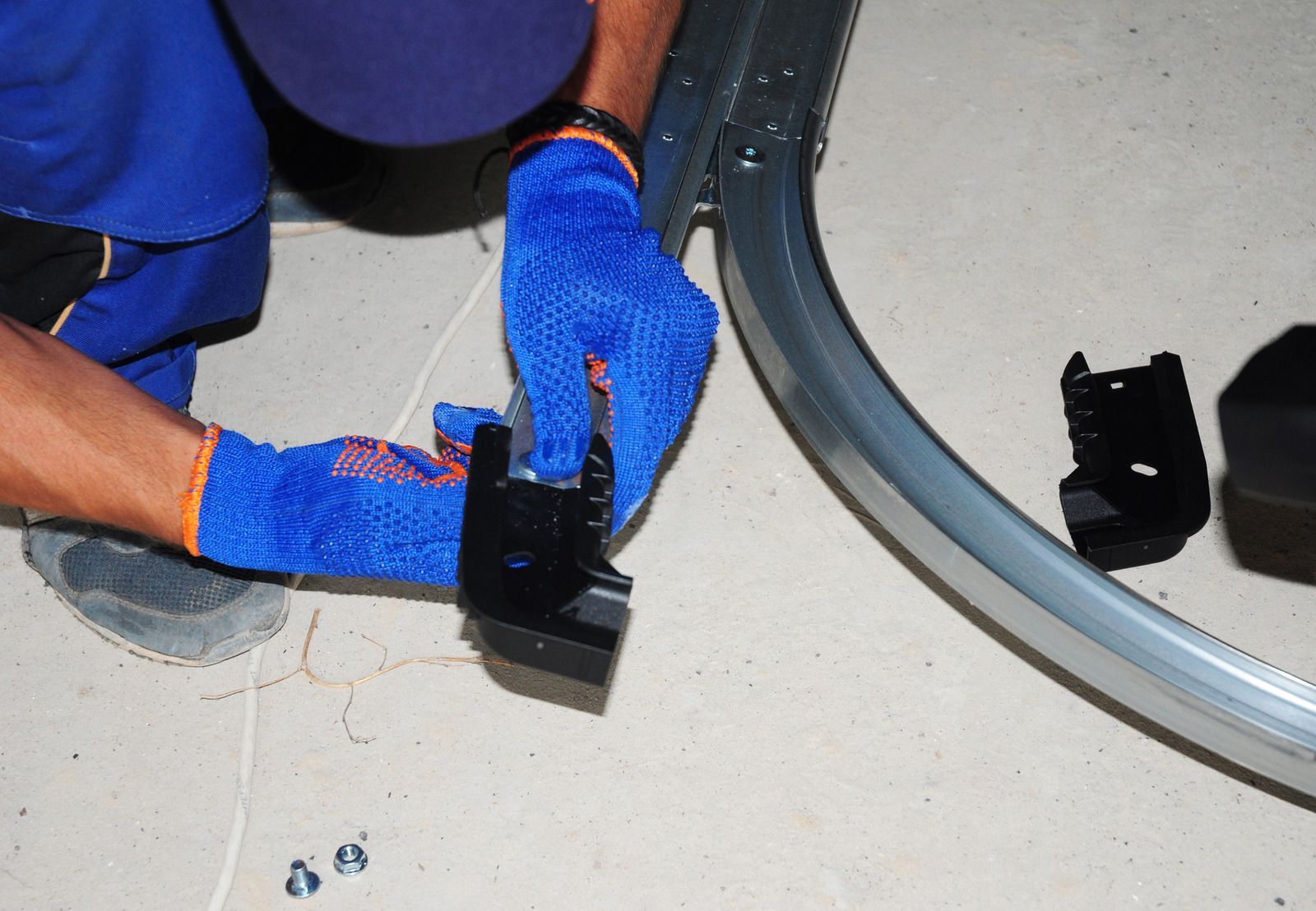
After safe tension release, professionals inspect all system components—cables, drums, bearings, and tracks—replacing anything showing wear. This comprehensive approach prevents future failures and ensures optimal system performance. Learn about the comprehensive torsion spring replacement process professionals follow.
Effective Repair Methods
Effective spring replacement requires precision measurement and calibration that only professionals can achieve. Springs must match exact door specifications: weight, height, track radius, and usage patterns. Wrong specifications cause premature failure or dangerous operation.
Professional installation includes winding springs to precise tension—typically 7-9 quarter-turns per foot of door height. This requires calibrated tension gauges and years of experience. Improperly tensioned springs cause opener motor failure, uneven door operation, and potential system collapse.
Following installation, comprehensive balance testing ensures perfect door operation. Professionals test through multiple cycles, adjust limit switches, and verify safety sensor function. This systematic approach guarantees safe, reliable performance. Understanding garage door spring replacement cost shows the value of this professional expertise.
Why DIY Attempts Fail and Endanger
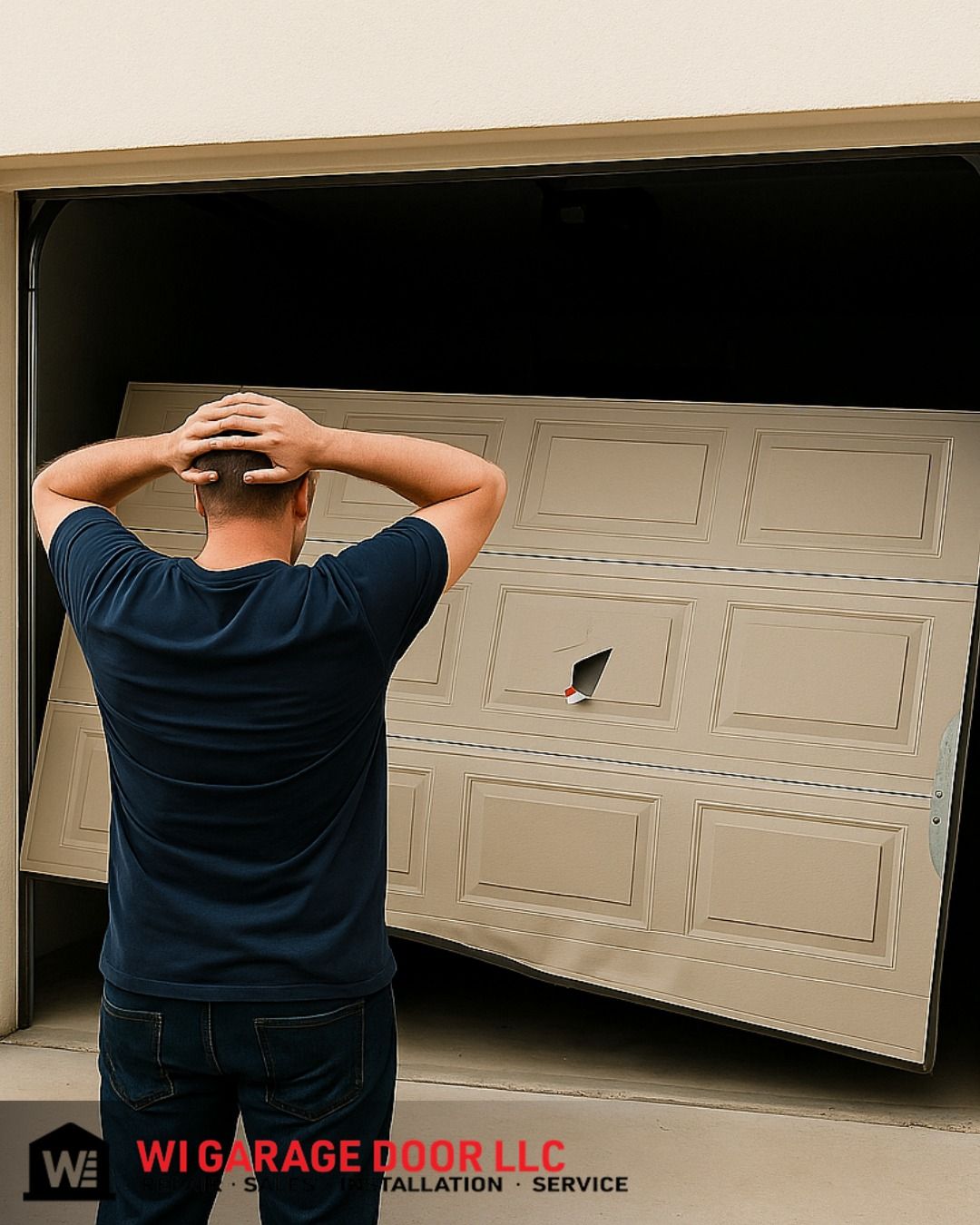
DIY spring replacement attempts fail because homeowners lack specialized tools, training, and experience. Common mistakes include using wrong spring specifications, improper tension calibration, inadequate safety precautions, and using makeshift tools. Each mistake risks severe injury or system failure.
The extreme tension stored in springs makes this one of the most dangerous home repairs. Thousands are hospitalized annually from DIY spring accidents—many suffering permanent disabilities. Even with perfect instructions, the physical danger and technical precision required make professional service non-negotiable.
Professional services cost $150-$350 including parts, labor, warranty, and system inspection. Compare this to average medical costs for DIY spring injuries ($10,000-$50,000+), plus lost work time and potential tragedy. The decision is clear. Learn when to call for garage door repair and why spring issues demand experts.
Conclusion
Safe and effective garage door spring replacement requires professional expertise, specialized equipment, and years of training. While understanding these techniques educates homeowners about the complexity involved, this knowledge should never encourage DIY attempts. Protect yourself and your family by choosing certified professional service for all spring-related repairs.