Garage Door Service Simplified: Easy Maintenance Steps for Every Home
Maintaining your garage door doesn't require professional expertise for every task. Understanding simple, safe maintenance steps helps homeowners keep their doors operating smoothly while identifying when professional service becomes necessary. This practical guide breaks down essential maintenance into manageable tasks anyone can perform safely at home.
Regular garage door maintenance prevents costly emergency repairs, extends system lifespan, and ensures family safety. By dedicating just 15-20 minutes monthly to these straightforward steps, you protect your investment while maintaining reliable daily operation. Let's explore the maintenance tasks that keep your garage door functioning perfectly year after year.
Monthly Visual Inspection Routine
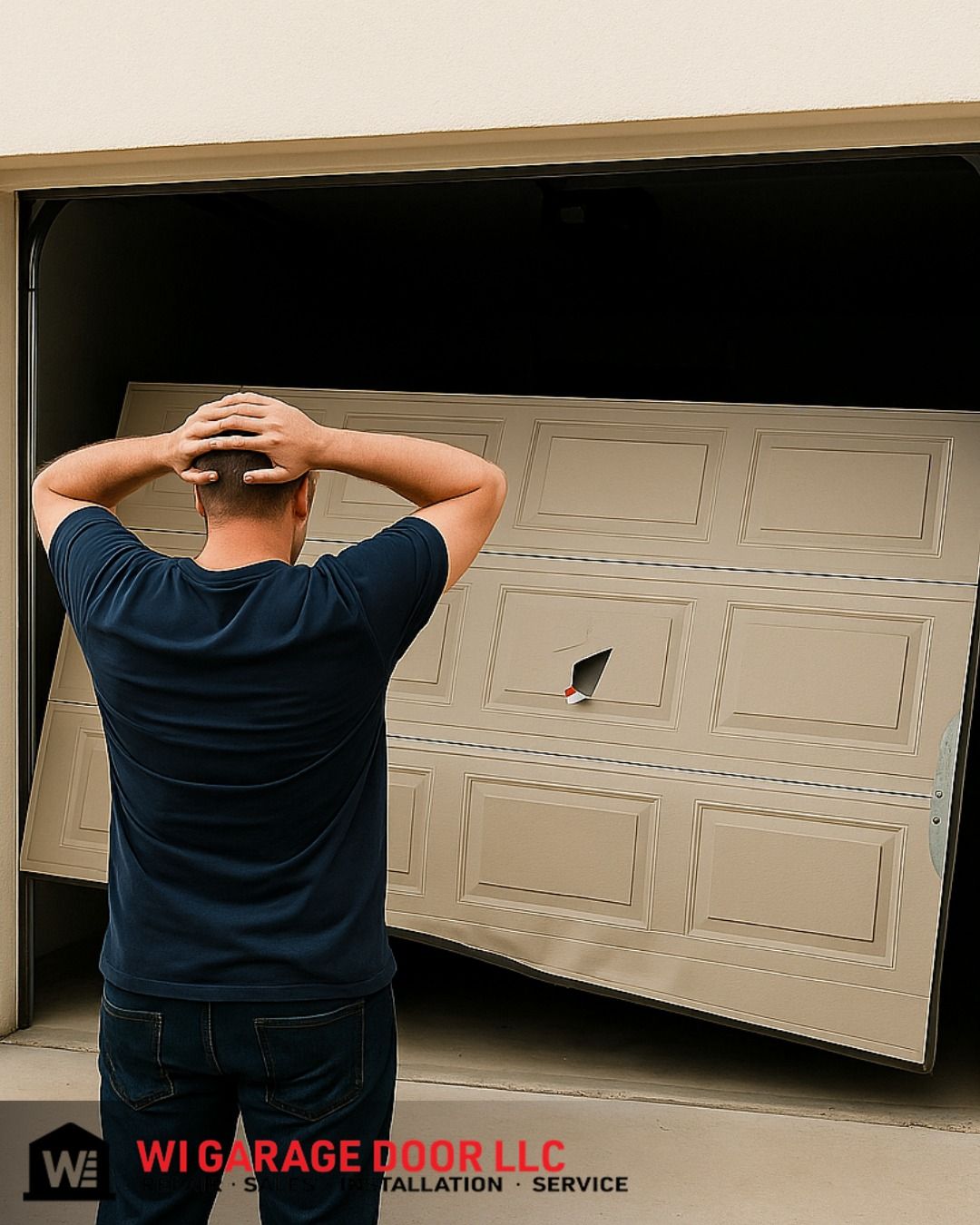
Begin your maintenance routine with comprehensive visual inspection requiring no tools or physical contact with dangerous components. Stand inside your garage and observe the door in closed position. Look for obvious damage: dented panels, cracked windows, weather stripping gaps, or visible rust on hardware. These surface-level checks identify problems before they worsen.
Next, examine the springs, cables, rollers, and tracks. Check springs for gaps between coils—a warning sign of wear. Inspect cables for fraying or broken strands. Look at rollers for cracks or excessive wear. Verify tracks remain properly aligned without dents or obstructions. These monthly inspections catch developing issues early when repairs cost less and prevent unexpected failures.
Pay special attention to hardware connections. Vibrations from daily operation gradually loosen bolts and screws. Visually identify any obviously loose hardware you can safely tighten. However, never attempt to adjust or tighten anything connected to springs or cables—these components remain under extreme tension requiring professional handling. Learn how to spot minor issues before they become major through regular visual checks. Schedule professional inspections through our comprehensive safety inspection service.
Simple Lubrication Maintenance
Proper lubrication reduces friction, minimizes wear, and keeps your door operating quietly. Every six months, apply silicone-based spray lubricant to moving parts. Target rollers, hinges, and tracks—avoid the track surface where wheels roll, as excess lubricant attracts dirt. A light coating on these components provides adequate protection without creating mess.
For torsion springs, professionals can apply lubricant during service visits, but homeowners should not directly handle springs due to extreme tension dangers. If you hear squeaking from springs, note it for professional attention rather than attempting lubrication yourself. Safety always trumps maintenance convenience when dealing with high-tension components.
Never use WD-40 for garage door lubrication despite its popularity for other applications. WD-40 is a solvent, not a lubricant—it actually attracts dirt and degrades over time, causing more problems than it solves. Quality silicone-based lubricants designed specifically for garage doors provide superior performance and longevity. Understanding how regular garage door service can save you time and money includes using proper lubricants. Explore our professional maintenance programs for comprehensive care.
Testing Safety Features
Modern garage doors include critical safety features preventing injury and property damage. Test these monthly to ensure proper function. Begin with the auto-reverse mechanism: place a solid object (like a wooden block or roll of paper towels) in the door's path and close it. The door should reverse immediately upon contact. If it doesn't, professional adjustment is needed—this safety feature prevents crushing injuries.
Test photoelectric sensors next. With the door open, wave a broom or long object through the sensor beam while closing. The door should immediately reverse. If sensors fail this test, first clean lens covers with a soft cloth—dust often blocks beams. If cleaning doesn't resolve the issue, sensors may need realignment or replacement by professionals.
Finally, test the emergency release mechanism. Pull the red cord while the door is closed (ensure no one stands beneath the door). This disconnects the opener, allowing manual operation during power outages. The door should lift smoothly and stay in place when halfway open if springs are properly balanced. If it falls or won't lift easily, springs need professional attention. Learn how to prevent accidents with regular garage door service and maintenance through safety testing. Contact our emergency repair service if safety features fail.
When Professional Service Becomes Necessary
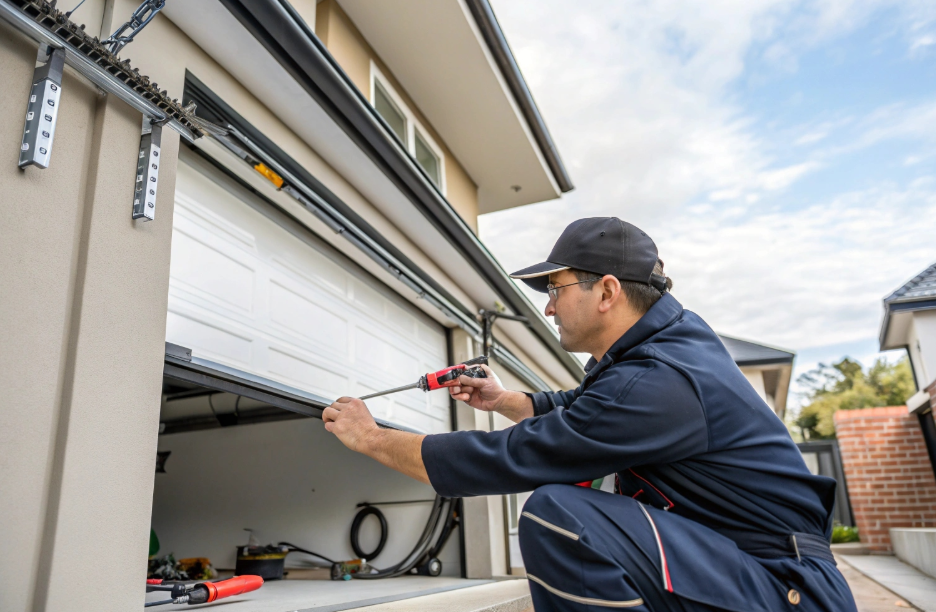
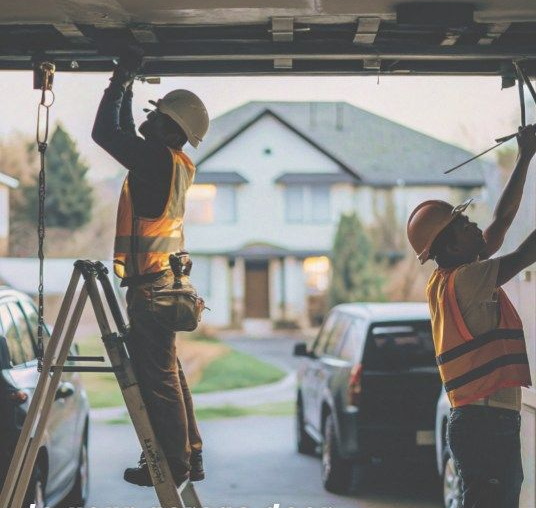
Recognizing your maintenance limits protects both safety and equipment integrity. Spring replacement, cable work, track repair, and opener motor issues demand professional expertise. These repairs involve specialized tools, technical knowledge, and significant safety risks unsuitable for DIY attempts. Thousands suffer serious injuries annually attempting these repairs—professional service costs far less than medical bills.
Additionally, call professionals when simple maintenance reveals problems beyond your capability to address: unusual noises persisting after lubrication, visible spring damage, frayed cables, or doors operating unevenly. Early professional intervention prevents minor issues from becoming expensive emergencies. Most service calls cost less than the emergency rates you'll pay if problems worsen.
Annual professional inspections provide comprehensive system evaluation beyond routine homeowner maintenance. Technicians identify developing problems, perform preventive adjustments, and verify all safety features function correctly. This proactive approach maximizes door lifespan while minimizing total ownership costs. Understanding when to call for garage door repair balances DIY capability with professional necessity. Request service through our online appointment system.
Conclusion
Garage door service simplified means understanding which maintenance tasks you can safely perform and which require professional expertise. Monthly visual inspections, semi-annual lubrication, and safety feature testing keep your door operating reliably while identifying problems early. However, respecting the limits of DIY maintenance—never attempting spring work or complex repairs—protects your safety and prevents equipment damage. By combining simple home maintenance with timely professional service, you ensure decades of reliable garage door operation at minimal total cost.