
Safety First: Garage Door Spring Replacement Dos and Don'ts

CRITICAL SAFETY WARNING: Garage door spring replacement is one of the most dangerous home repair tasks. Springs store extreme tension capable of causing fatal injuries. This guide provides dos and don'ts for educational purposes only. We strongly urge all homeowners to hire certified professionals for any spring-related work.

Understanding proper safety practices helps you recognize why professional service is essential and what to avoid. While this knowledge is valuable, it should reinforce—not encourage—the decision to use certified technicians for all spring replacement work.

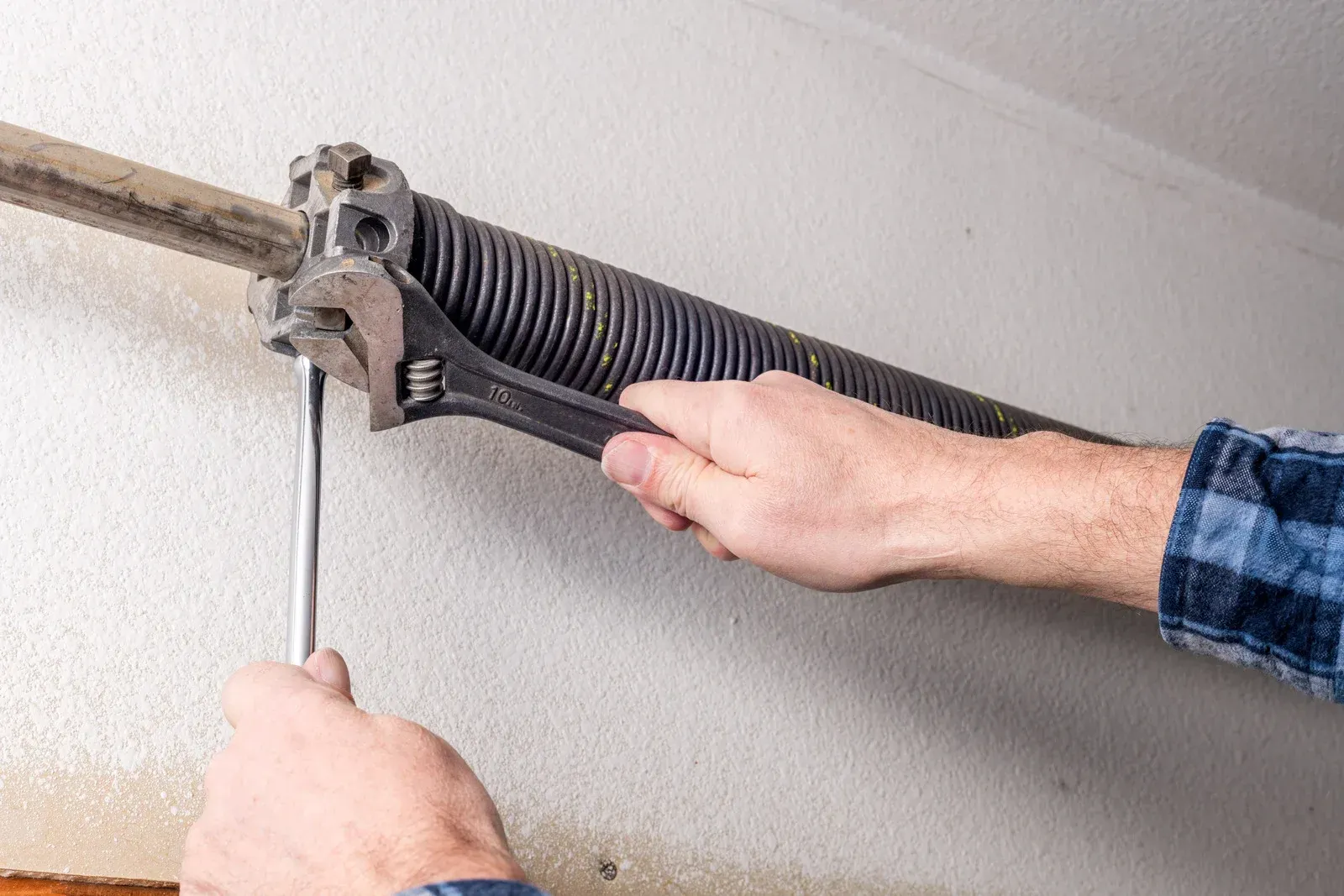
Hands adjusting a garage door torsion spring with a wrench

Essential Dos for Spring Safety

DO hire certified professionals for spring replacement. This is the single most important safety recommendation. Professional technicians undergo months of supervised training, possess specialized equipment, and carry liability insurance protecting you from accidents.

DO perform regular visual inspections of your springs. Monthly checks for gaps in coils, rust formation, or visible damage are completely safe and help you identify when professional replacement is needed. Early detection prevents dangerous failures.

DO conduct balance tests to assess spring condition. Disconnect the opener, manually lift the door halfway, and see if it stays in place. This safe test reveals spring health without touching the springs themselves. Learn how to spot when your garage door springs need replacing through regular testing.

DO maintain detailed records of spring installation dates and cycle counts. Knowing when springs approach their expected lifespan (10,000-15,000 cycles) allows proactive replacement scheduling, preventing emergency situations.

Critical Don'ts - Never Attempt These

DON'T attempt DIY spring replacement under any circumstances. The extreme tension makes this one of the most dangerous home repairs. Thousands are hospitalized annually from DIY spring accidents, many suffering permanent disabilities or worse.

DON'T use makeshift tools like screwdrivers, pry bars, or pliers for any spring-related work. Professional spring replacement requires specialized solid steel winding bars designed specifically for this purpose. Using improper tools has caused countless severe injuries.

DON'T assume online tutorials make you qualified. Professional technicians require months of supervised training before handling springs independently. No amount of video watching replaces hands-on training with safety protocols.

DON'T work alone on spring-related tasks—though honestly, you shouldn't be working on springs at all. If you absolutely must inspect springs visually, have someone nearby, but remember that actual spring replacement must be left to professionals.

DON'T underestimate the danger. Springs under tension can release with bone-breaking force, cause traumatic brain injuries, or prove fatal. The decision to hire professionals isn't about ability—it's about survival. Understanding how to prevent accidents with regular garage door service and maintenance includes recognizing professional-only tasks.

When Professional Service Is Non-Negotiable

Certain situations absolutely demand professional service with zero exceptions. If you hear loud snapping or popping from your garage, a spring has likely failed—stop using the door immediately and call professionals. Never attempt to open or close a door with broken springs.

If your door won't open, closes too quickly, or operates unevenly, these indicate spring problems requiring expert attention. Similarly, if you notice visible spring damage during inspections, don't touch the springs—photograph the damage and contact certified technicians.

Professional services cost $150-$350 including parts, labor, warranty, and complete system inspection. Compare this to average medical costs for DIY spring injuries ($10,000-$50,000+), plus lost work time, permanent disabilities, and potential tragedy. The economics are clear. Learn about garage door spring replacement cost to understand this vital investment.

The Value of Professional Expertise

Professional technicians bring specialized knowledge that goes far beyond spring replacement mechanics. They use calibrated tension gauges ensuring perfect spring calibration, inspect all system components for wear, and identify potential failures before they occur.

Professionals provide warranties covering parts and labor, carry liability insurance, and guarantee safe operation. They achieve precision that DIY attempts cannot match, ensuring proper door balance, optimal performance, and maximum spring lifespan.

Additionally, professionals stay current with safety protocols, manufacturer specifications, and industry best practices. Their expertise protects both your immediate safety and long-term system reliability. Learn about the comprehensive torsion spring replacement process professionals follow.

Conclusion: Safety First Always

The dos and don'ts of garage door spring replacement boil down to one essential message: hire certified professionals. While understanding these safety guidelines educates you about the complexity and danger involved, this knowledge should never encourage DIY attempts. The extreme tension, specialized equipment requirements, and technical precision needed make professional installation the only responsible choice. Protect yourself, your family, and your investment by choosing certified professional service for all spring-related work. Learn when to call for garage door repair and why spring issues always demand expert service.

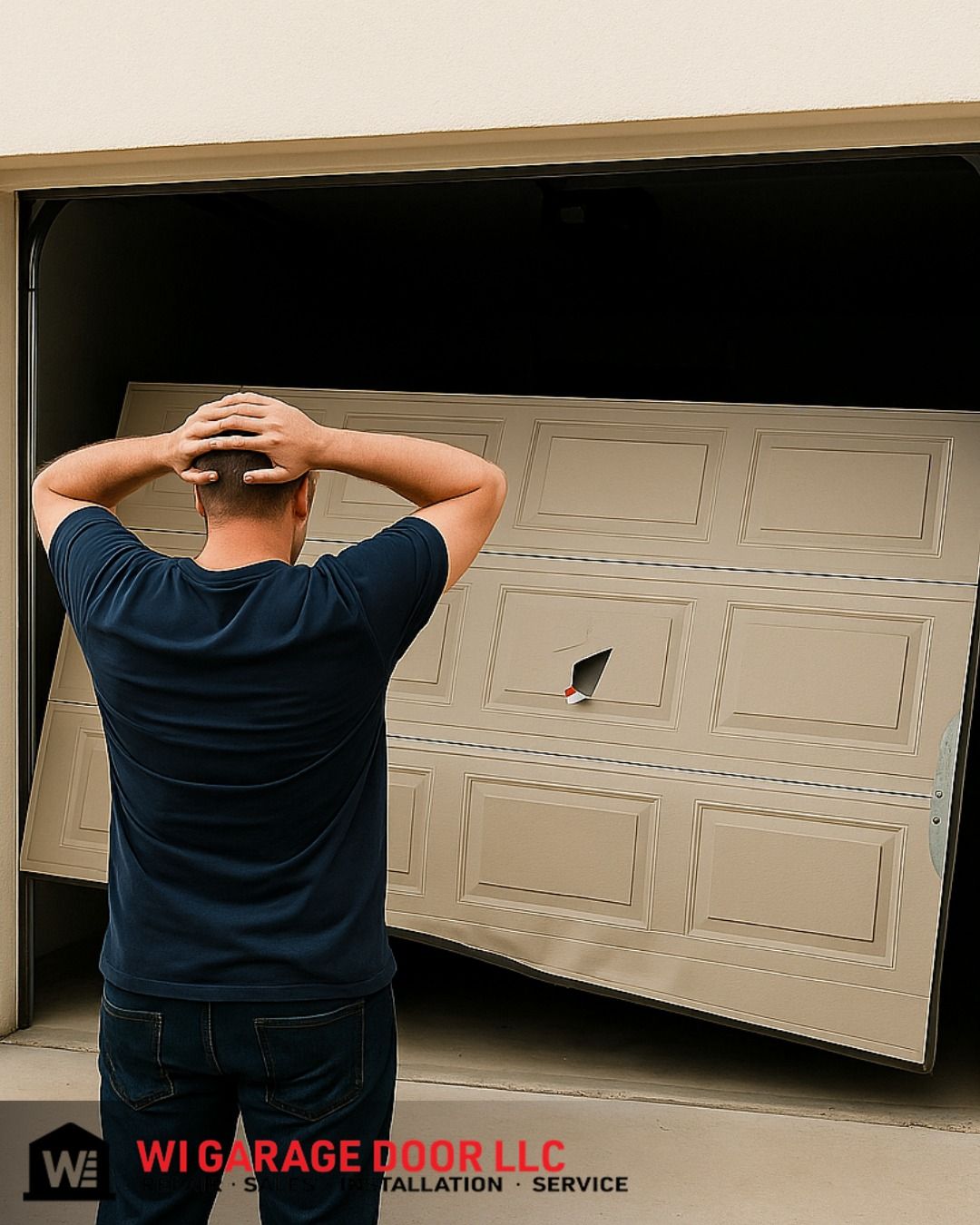
Man stands with hands on head as a garage door buckles inward under impact.
May 20, 2026
Essential questions to ask garage door repair De Pere technicians. Learn about experience, licensing, warranties, and emergency service options.
May 20, 2026
Learn how Wi-Fi and belt-drive garage door systems are transforming Green Bay homes with smart technology, enhanced security, and quiet operation for modern living.

Modern house exterior with a large gray garage door and driveway under a blue sky
May 20, 2026
Discover why belt-drive Wi-Fi openers are the smart choice for Green Bay homes. Learn about quiet operation, smart integration, and security features.
May 20, 2026
Learn how garage door springs work to counterbalance your door's weight, reducing strain on the opener and extending system lifespan with proper maintenance.
Garage door opener rail and hanging cord mounted on the ceiling
May 20, 2026
Garage door springs are essential for safety and security. Learn how they prevent accidents and protect your home from unauthorized access in this comprehensive guide.
Worker installing a garage door opener on a ceiling track, using a drill beside an orange ladder.
May 20, 2026
Learn what happens when garage door springs fail, including sudden malfunctions, opener damage, and secondary system issues. Expert repair solutions from WI Garage Door LLC.
Worker adjusting a garage door opener rail with a red string guide
May 20, 2026
Identify worn garage door springs early with these key warning signs: slow movement, strange noises, visible damage, and difficulty opening.
May 20, 2026
Expert tips for garage door cable replacement including understanding cables, safety considerations, step-by-step replacement guide, and testing procedures for smooth operation.
Show More
Man stands with hands on head as a garage door buckles inward under impact.
May 20, 2026
Essential questions to ask garage door repair De Pere technicians. Learn about experience, licensing, warranties, and emergency service options.
May 20, 2026
Learn how Wi-Fi and belt-drive garage door systems are transforming Green Bay homes with smart technology, enhanced security, and quiet operation for modern living.
Modern house exterior with a large gray garage door and driveway under a blue sky
May 20, 2026
Discover why belt-drive Wi-Fi openers are the smart choice for Green Bay homes. Learn about quiet operation, smart integration, and security features.
Show More