Mastering Garage Door Repair: Your Cable Replacement Handbook
Garage door cables are critical safety components that work in tandem with springs to lift and lower your door smoothly. When cables fail, the door becomes inoperable and potentially dangerous. Understanding cable replacement—whether you're assessing the problem or working with professionals—ensures safe, efficient repairs that restore full functionality.
This comprehensive handbook covers everything you need to know about garage door cable replacement: identifying cable problems, understanding the replacement process, safety considerations, and making informed decisions about professional service versus DIY attempts.
Understanding Cable Systems and Functions
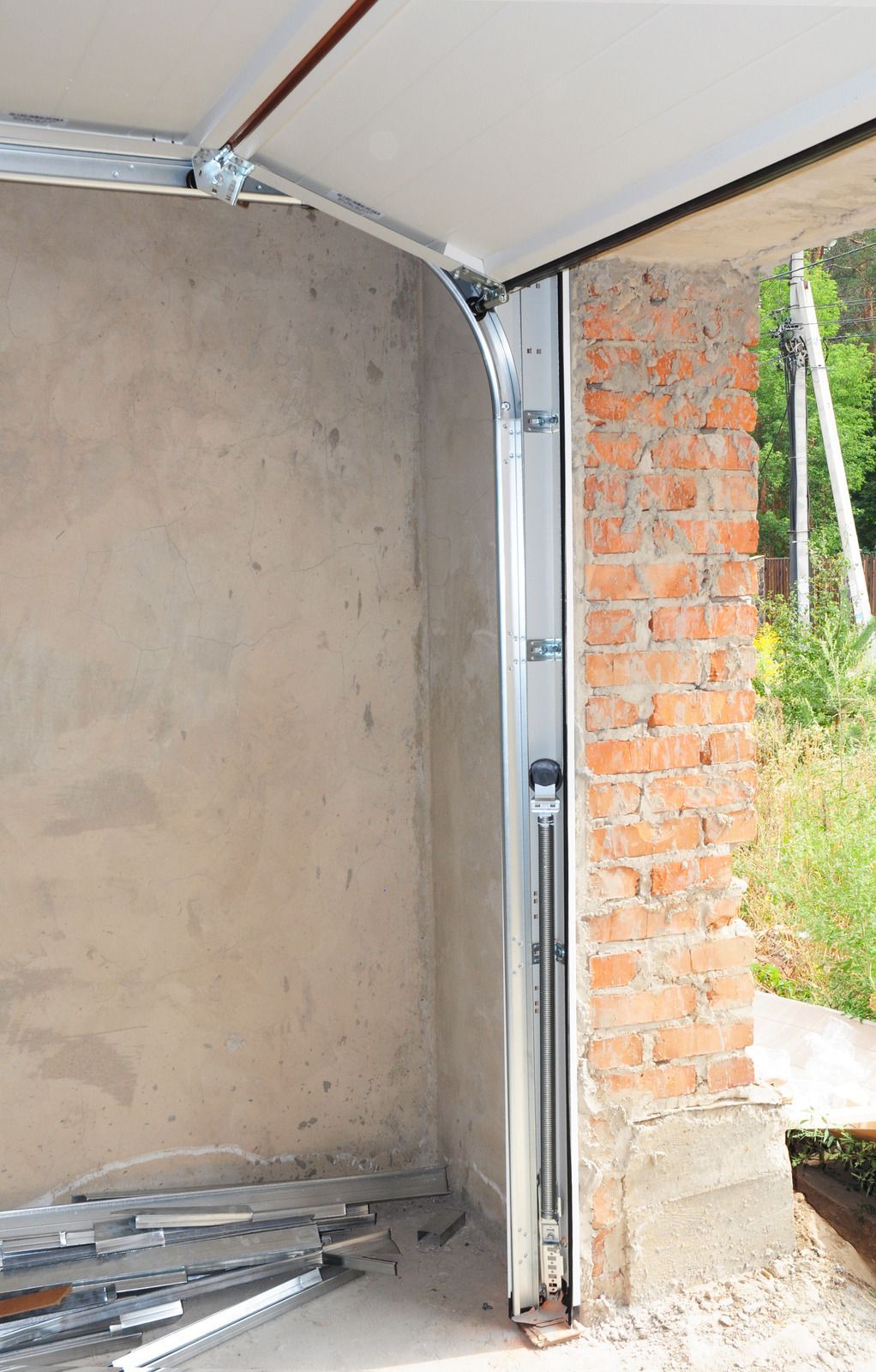
Garage door cables connect to the bottom corners of your door and wind around drums attached to the torsion shaft. As springs unwind to lift the door, cables guide this force evenly, preventing the door from tilting or jamming. Extension spring systems use different cable configurations but serve the same essential purpose: controlled, balanced door movement.
Cables bear tremendous tension—nearly as much as the springs themselves. Standard residential cables are aircraft-grade galvanized steel, rated for thousands of pounds of force. Despite this strength, cables eventually wear from friction, corrosion, and repeated stress cycles. Most cables last 8-12 years depending on usage frequency and environmental conditions.
Different door types require specific cable configurations. Single-car doors typically use 1/8-inch diameter cables, while double-car doors need 5/32-inch or larger. Torsion spring systems use lift cables, while extension spring systems require both lift and safety cables. Understanding the different types of garage door springs for replacement helps you understand cable system variations. For professional cable service, visit our cable repair service page.
Identifying Cable Problems
Several warning signs indicate cable issues requiring attention. Frayed or broken strands are the most obvious—even a few broken strands compromise cable integrity and demand immediate replacement. Don't wait for complete failure; partial damage progresses rapidly under constant tension.
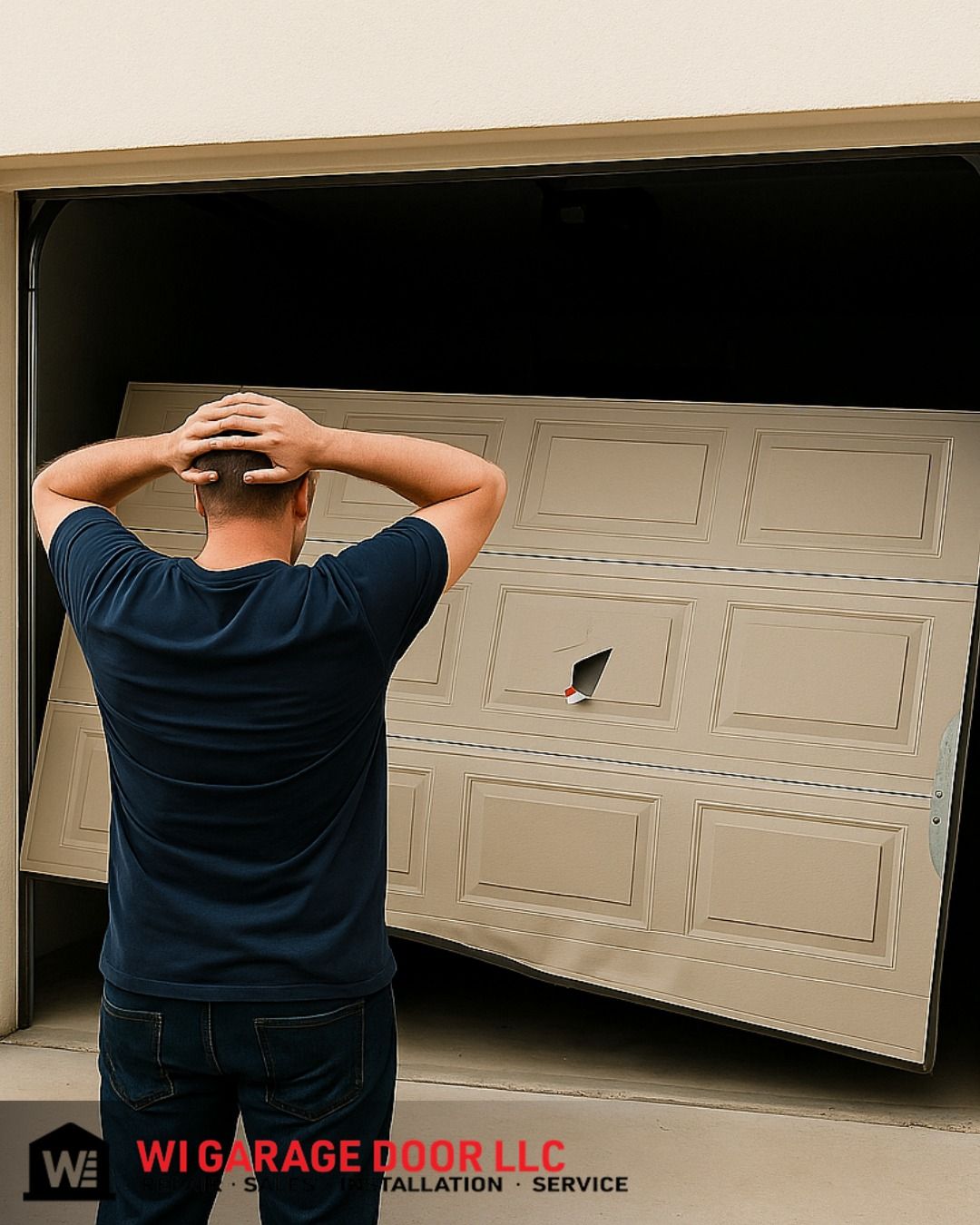
Visual inspection reveals other problems: rust formation indicating corrosion, loose drums where cables wind, or cables riding off drums. Operational symptoms include door tilting during movement, jerky operation, or complete failure to open. If one cable breaks while the door is raised, the door may slam down on one side—a dangerous situation requiring immediate professional service.
Listen for unusual sounds. Cables scraping against tracks, popping noises during operation, or squealing from drum areas all suggest cable problems. Monthly visual inspections catch these issues early, preventing catastrophic failures. Learn when to call for garage door repair to address cable issues promptly. Contact us through our emergency repair service for immediate assistance.
Cable Replacement Safety Considerations
CRITICAL SAFETY WARNING: Cable replacement involves working near high-tension springs. While cables themselves can be replaced more safely than springs, the process still requires extreme caution. The door must be properly supported, springs must be safely unwound by professionals, and all tension must be released before cable work begins.
DIY cable replacement is possible for mechanically-inclined homeowners with proper tools and safety equipment, BUT only after professionals safely release spring tension. Never attempt cable replacement on a door with tensioned springs—the risk of serious injury is extreme. If your cable broke while springs are under tension, call professionals immediately.
Professional cable replacement ensures safety and proper installation. Technicians have specialized tools to support doors during cable work, release spring tension safely, and verify proper cable routing. They also inspect related components—drums, bearings, springs, and tracks—identifying potential problems before they cause failures. For comprehensive safety, explore our safety inspection services.
The Professional Replacement Process
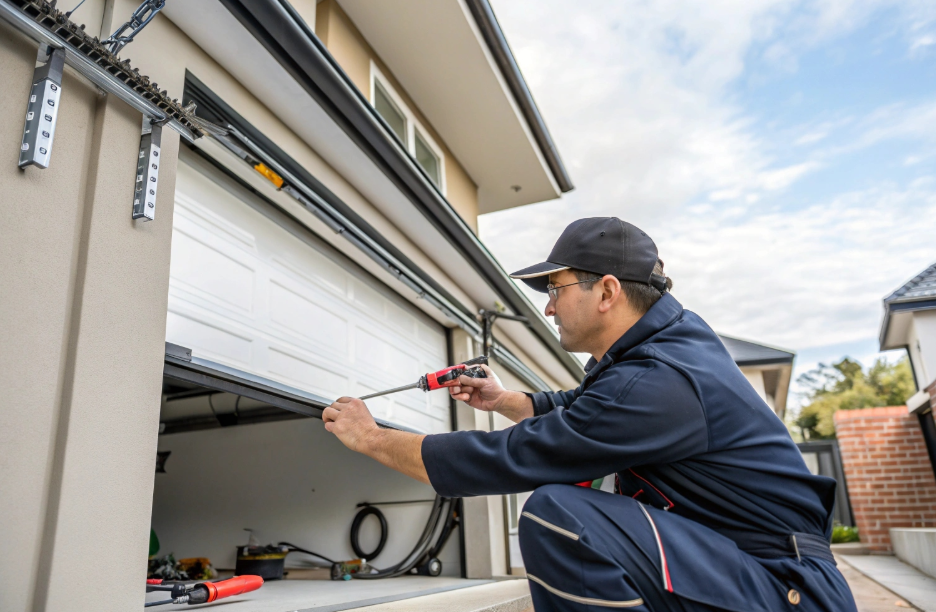
Professional cable replacement follows systematic safety protocols. First, technicians disconnect the opener and secure the door with locking pliers to prevent unexpected movement. They carefully release spring tension using specialized winding bars—never screwdrivers or improvised tools.
With tension safely released, old cables are removed from drums and bottom brackets. Technicians inspect drums for wear, checking set screws and alignment. New cables matching exact door specifications are installed, routed through pulleys or tracks, and secured to bottom brackets with proper cable stops.
The critical step involves rewinding springs to precise tension while ensuring cables seat properly on drums. Improper cable routing causes premature wear or complete failure. Professionals test door balance after installation, making fine adjustments to ensure smooth, even operation. Learn about troubleshooting garage door opener repair to understand how cables affect overall system function. Schedule professional installation through our online booking system.
Choosing Quality Cables and Professional Service
Not all replacement cables are equal. Premium cables use aircraft-grade galvanized steel with protective coatings resisting corrosion. Cheaper cables may use lower-grade steel or inadequate galvanization, failing prematurely. Professional services use manufacturer-specified cables matching your door's exact requirements.
When selecting professional service, verify technicians' credentials and experience. Ask about warranty coverage on both parts and labor. Reputable companies provide comprehensive warranties (typically 1-3 years) covering cable failure and installation workmanship. They also perform complete system inspections, identifying other potential issues during cable replacement.
Cost considerations favor professional service for most homeowners. Professional cable replacement typically costs $150-$300 including parts, labor, spring tension adjustment, and system testing. DIY attempts risk improper installation, personal injury, or damage to other components—potentially costing far more than professional service. Understanding how regular garage door service can save you time and money demonstrates professional service value. Request a quote through our free estimate page.
Conclusion
Mastering garage door cable replacement knowledge helps you identify problems early, understand the replacement process, and make informed decisions about professional service. While some mechanically-skilled homeowners can replace cables themselves, the safety risks and technical precision required make professional installation the recommended choice for most situations. By choosing quality cables, experienced technicians, and comprehensive service, you ensure safe, reliable cable replacement that extends your garage door system's life.