Understanding Garage Door Spring Replacement: Repair Insights
The intricacies involved in the replacement of a garage door spring can often be overlooked, yet their understanding is of paramount importance for ensuring the longevity and smooth operation of your garage door system. These robust, tightly wound devices bear the full weight of the door, and their failure can lead to inconvenient malfunctions or, in worst-case scenarios, potential accidents.
This discourse aims to illuminate the key processes and considerations in garage door spring replacement , offering practical insights that can assist both homeowners and repair professionals in identifying spring-related issues, understanding the replacement process, and ensuring optimal performance. As we proceed, you will uncover the importance of this often underestimated component and the critical role it plays in your garage door's operation.
Identifying Garage Door Spring Issues
Recognizing potential problems with your garage door springs is an essential first step towards implementing effective repair solutions. Springs, being the primary driving force in the operation of your garage door , are prone to wear and tear over time. Early detection of spring-related issues can prevent more significant, costly problems later on.
Key identifiers include an unusually heavy garage door, erratic or straining movement, or a loud, sudden noise indicating a spring breakage. Additionally, visual inspections can reveal gaps in the spring coil, rust, or corrosion. Adroit homeowners will also notice an imbalance in the door's operation, indicating potential spring issues.
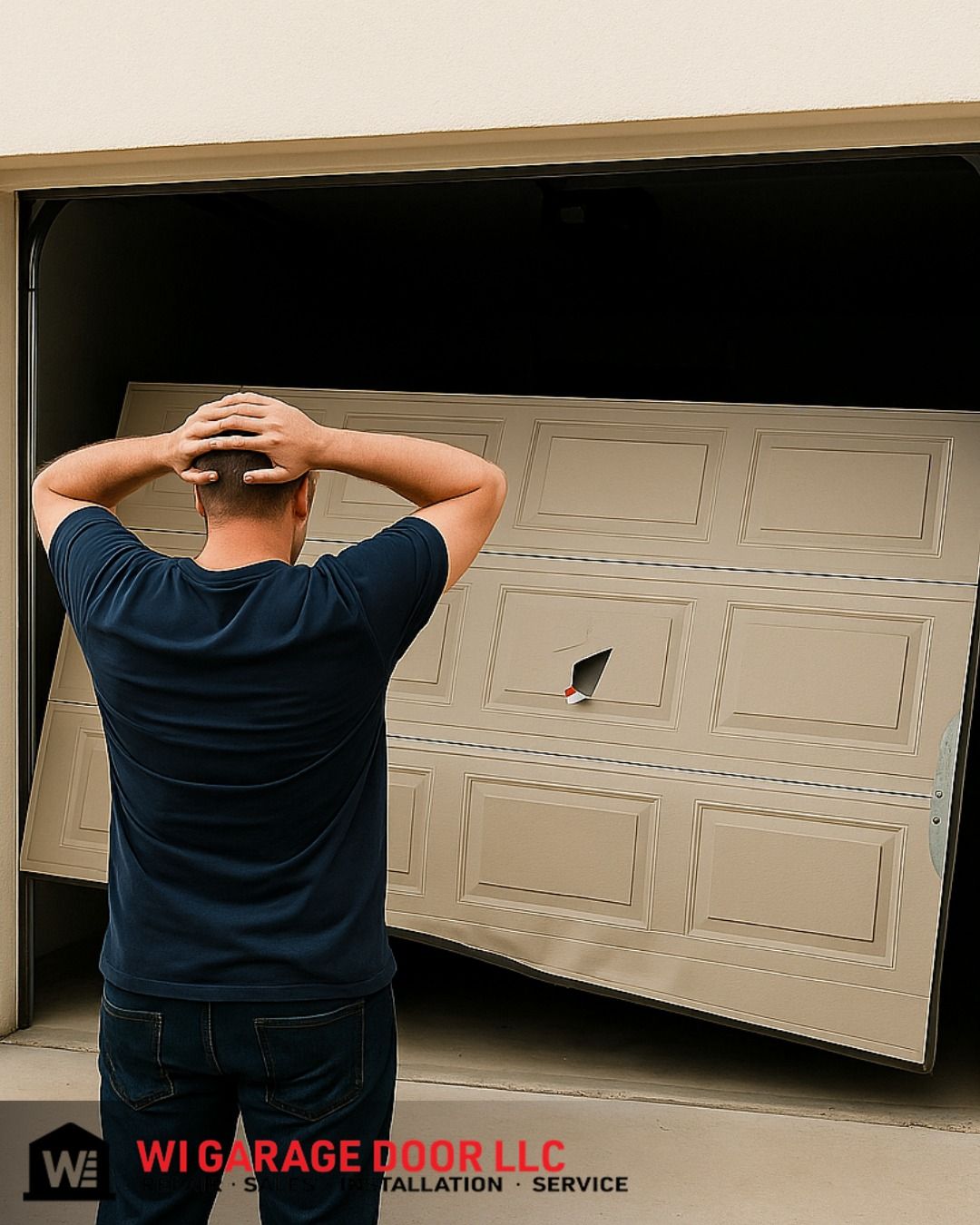
WI Garage Door LLC technicians frequently encounter situations where broken springs have caused complete door failure or created dangerous operating conditions. When springs fail, the entire weight of the door becomes difficult to manage, and the automatic opener may strain or fail trying to compensate for the lost spring tension.
Common signs that indicate immediate spring attention is needed include: visible separation in spring coils, a door that won't stay open when manually lifted halfway, excessive noise during operation, or a door that opens or closes too quickly. These symptoms suggest that spring replacement should be scheduled promptly to avoid complete failure and potential safety hazards.
Understanding Spring Types
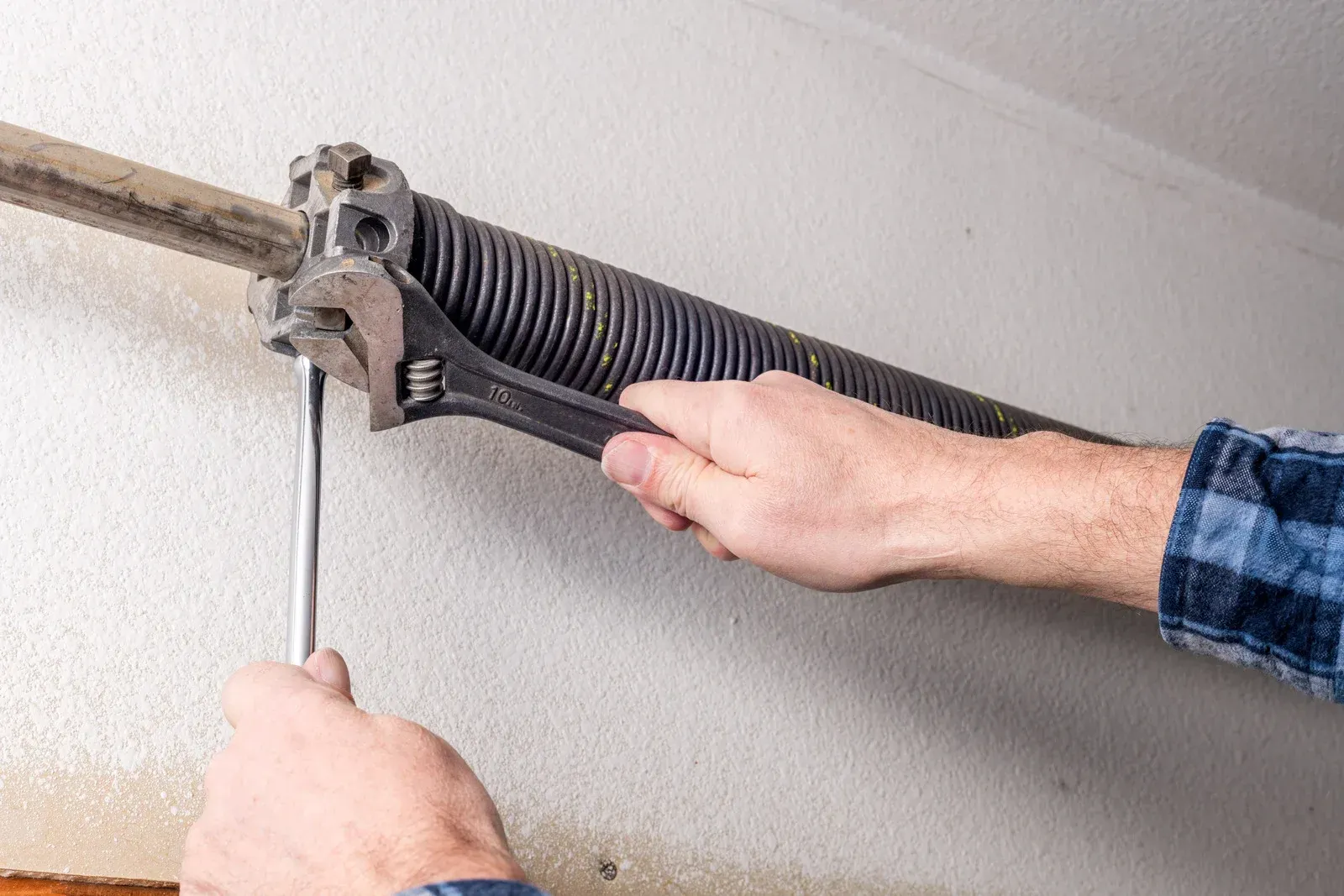
Different garage door systems utilize different spring configurations, each with specific characteristics and replacement requirements. Torsion springs mount horizontally above the garage door opening and twist to provide lifting force. Extension springs mount vertically along the tracks and stretch to counterbalance the door's weight.
Torsion spring systems are more common in modern installations due to their superior balance, longer lifespan, and safer operation characteristics. However, they require specialized tools and expertise for safe replacement. Extension springs are simpler in design but require proper safety cable installation to prevent dangerous spring projection if failure occurs. For comprehensive information about extension spring systems, see our detailed guide on extension spring essentials.
Understanding these signs fosters a sense of belonging and empowerment, allowing you to contribute effectively to home maintenance. However, it's crucial to remember that spring replacement is inherently dangerous work that should only be performed by qualified professionals with proper training and equipment.
Process of Spring Replacement
Having identified potential issues with garage door springs, the subsequent logical step is to comprehend the process of spring replacement, a critical component of effective garage door maintenance.
The replacement process typically involves three primary steps:
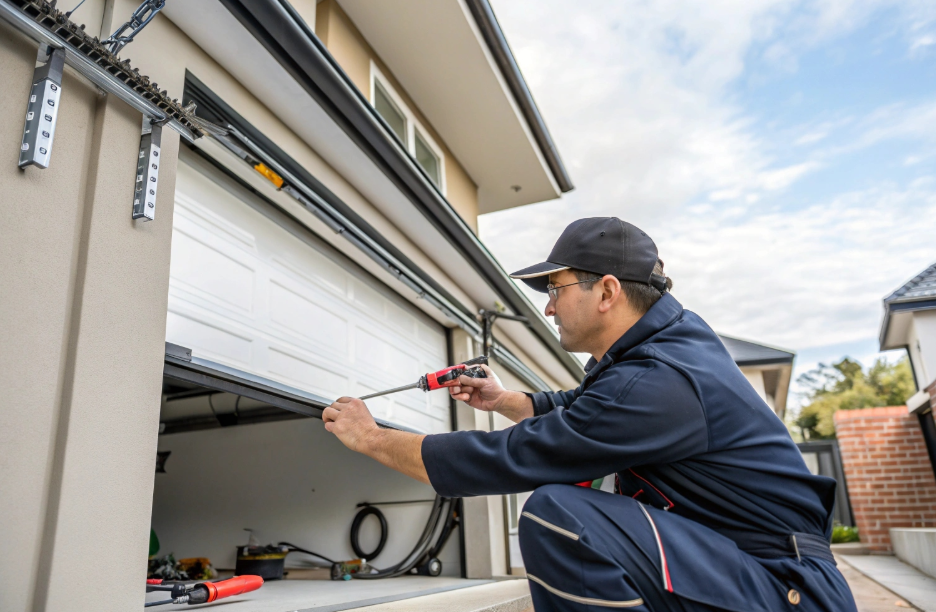
Step 1: Safety Preparation - The first step is to disconnect the garage door opener and secure the door in place. This ensures safety during the replacement process. Professional technicians use specialized equipment including c-clamps, winding bars, and proper support mechanisms to safely secure the door and manage spring tension.
Step 2: Spring Removal and Installation - Next, the old, damaged spring is carefully removed and replaced with a new one. It's crucial to ensure the new spring is of the correct size and strength. WI Garage Door LLC technicians carefully measure door weight, height, and track radius to select springs with proper specifications. Incorrect spring selection can lead to premature failure, poor door balance, and increased strain on the opener system.
Step 3: Tensioning and Testing - Finally, the door is carefully balanced and tested to ensure the new spring is functioning correctly. Proper spring tension adjustment is critical for safe, smooth operation. The door should lift easily with minimal force and stay in place when lifted halfway. Testing includes multiple complete operation cycles to verify reliable performance.
Why Professional Service is Essential
This process, while seemingly straightforward, demands precision and expertise – making it a task best left to trained professionals. The tension stored in garage door springs is immense, and attempting DIY replacement without proper knowledge and tools can result in serious injury or death.
Professional garage door technicians from WI Garage Door LLC undergo extensive training in spring replacement procedures. They understand the precise calculations required for proper spring selection, have experience with various door types and configurations, and maintain specialized tools designed specifically for safe spring work.
Beyond the immediate replacement task, professional service includes comprehensive system inspection. Technicians examine cables, rollers, tracks, and opener components to identify wear patterns that might affect the new springs' performance or indicate other developing issues. This holistic approach prevents future problems and extends the overall system lifespan.
For emergency situations involving broken springs, our emergency repair services are available 24/7. Quick response is critical when springs fail, as an inoperable garage door can compromise home security and trap vehicles inside.
Spring Maintenance and Prevention
While spring replacement requires professional expertise, homeowners can take proactive steps to extend spring life and prevent premature failure. Regular visual inspections help identify early warning signs before complete failure occurs. Look for rust, corrosion, or visible gaps between spring coils during monthly checks.
Proper lubrication of springs and moving parts reduces friction and extends component life. WI Garage Door LLC recommends quarterly lubrication using products specifically designed for garage door applications. Avoid general-purpose lubricants that may attract dirt or damage spring coatings.
Balance testing should be performed seasonally. Disconnect the opener and manually lift the door halfway. A properly balanced door should stay in place. If the door falls or rises on its own, spring adjustment is needed—a task that requires professional attention due to the high tension involved. For comprehensive maintenance guidance, see our ultimate maintenance guide.
Environmental factors also affect spring life. Extreme temperature fluctuations, humidity, and exposure to corrosive elements can accelerate spring wear. Ensuring proper garage ventilation and considering protective coatings for springs in harsh environments can significantly extend their operational lifespan.
When to Contact Professionals
Certain situations demand immediate professional intervention. Complete spring failure, multiple broken springs, doors that won't stay closed, or any situation where the door operates unsafely requires expert attention. Never attempt to operate a garage door with broken springs, as the full weight of the door can cause injury or property damage.
Additionally, if you notice any cable damage in conjunction with spring issues, professional service becomes even more critical. Springs and cables work together as an integrated system, and cable problems often develop alongside spring wear. For information about cable systems, see our guide on mastering cable replacement.
Annual professional inspections identify potential problems before they cause failures. WI Garage Door LLC's comprehensive inspection service includes spring condition assessment, proper tension verification, and evaluation of all related components. This preventive approach minimizes unexpected failures and extends system reliability.
Contact WI Garage Door LLC today at (920) 489-5820 for expert garage door spring replacement and maintenance services in Green Bay and surrounding areas. Our experienced technicians ensure safe, proper spring replacement that keeps your garage door operating smoothly and reliably for years to come.