
When to Call for a Garage Door Spring Replacement Service: Signs to Watch For

Recognizing when your garage door springs need professional replacement prevents dangerous failures and costly emergency repairs. Springs work silently behind the scenes, bearing tremendous tension through thousands of daily cycles. Understanding the warning signs helps you schedule replacement proactively, avoiding the safety hazards and inconvenience of unexpected spring failures.

This comprehensive guide identifies critical indicators demanding professional spring replacement service. From visual wear patterns to operational symptoms, these signs reveal when springs approach failure thresholds requiring immediate expert attention. Early recognition protects your family's safety while preventing the extensive damage that occurs when springs fail catastrophically.

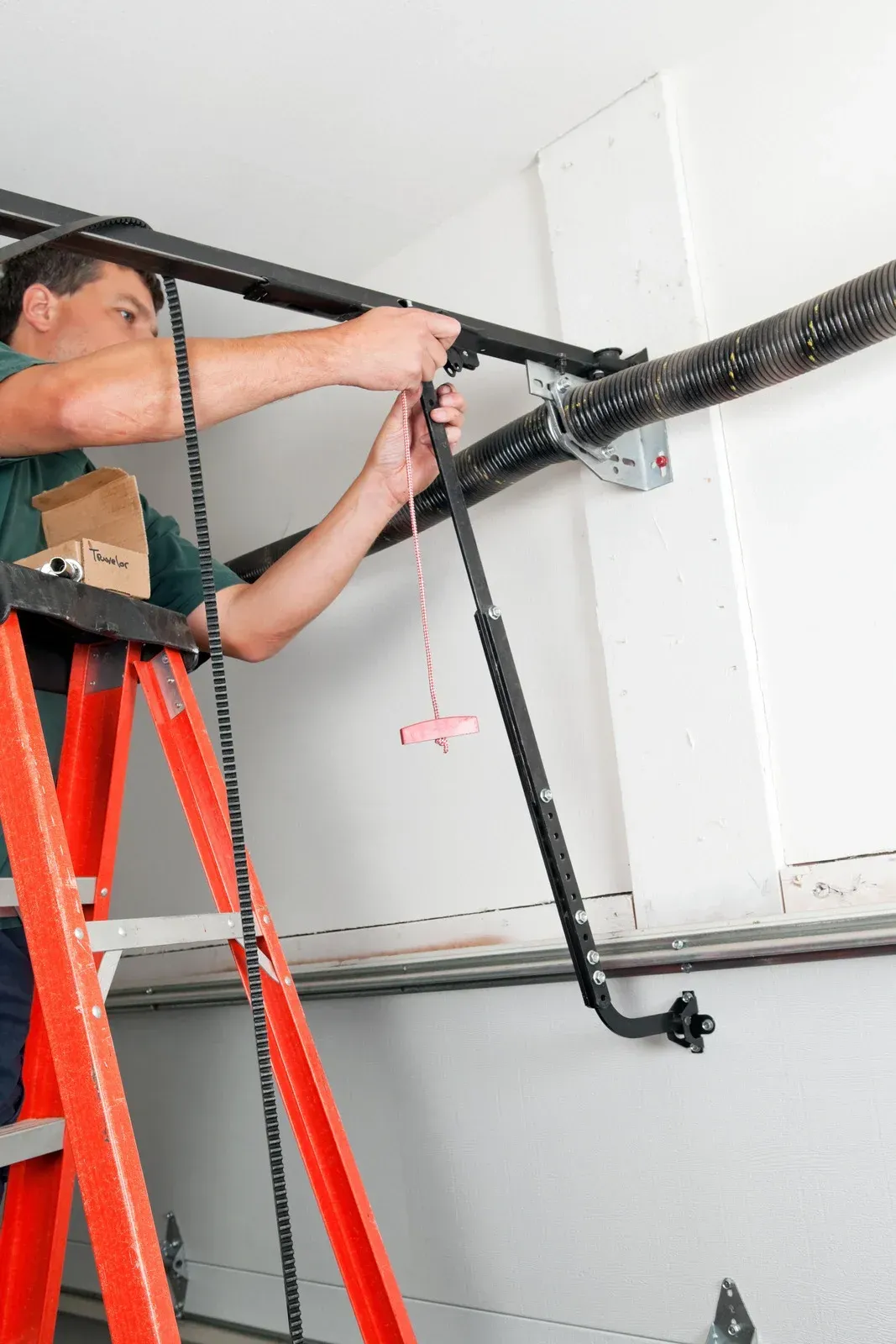
Worker on red ladder adjusting black wiring in a white utility room

Visual Warning Signs of Spring Wear

Begin spring assessment with careful visual inspection from a safe distance—never directly handle springs under tension. Look for gaps between coils, a telltale sign that springs have stretched from extended use. New springs feature tightly-wound coils with minimal spacing. As springs cycle through thousands of operations, metal fatigue causes elongation creating visible gaps. Once gaps appear, spring failure accelerates rapidly.

Rust formation signals corrosion weakening spring integrity. Surface rust may seem cosmetic, but it indicates moisture exposure degrading metal strength. Springs in humid environments or uninsulated garages face accelerated corrosion. Severe rust—flaking or pitting—demands immediate replacement before catastrophic failure occurs. Don't wait for complete deterioration; early replacement prevents dangerous breakage.

Examine springs for physical damage: cracks, breaks, or deformation. Even small cracks propagate under constant stress, leading to sudden failure. Bent or deformed springs indicate improper installation or impact damage—both conditions requiring professional replacement. Understanding how to spot when your garage door springs need replacing through visual inspection protects your investment. Schedule professional inspection through our comprehensive safety inspection service.

Operational Symptoms Requiring Professional Attention

How your door operates reveals spring condition more accurately than visual inspection alone. Doors struggling to open or stopping partway indicate weakening springs failing to provide adequate counterbalance. Manual lifting feels extremely heavy when springs lose tension—healthy springs should make doors feel nearly weightless. If you can barely lift your door manually, springs need immediate professional replacement.

Doors closing too quickly or slamming shut signal complete spring failure. Without spring tension, the door's full weight crashes down—a dangerous condition risking injury or property damage. Similarly, doors hanging crooked or operating unevenly suggest one spring failed while its partner continues functioning. This creates extreme imbalance demanding emergency professional service before the remaining spring fails.

Listen for unusual sounds during operation. Loud popping, snapping, or grinding noises often precede spring failure. Squeaking might indicate lubrication needs, but combined with operational issues, it suggests spring problems. Monthly balance testing reveals spring health: disconnect the opener, manually lift the door halfway, and release. Properly balanced springs hold the door in place; falling or rising indicates replacement necessity. Learn when to call for garage door repair to address operational symptoms promptly. Contact our 24/7 emergency repair service immediately.

Age and Cycle Count Considerations

Even without obvious symptoms, spring age warrants proactive replacement planning. Standard residential springs last 10,000-15,000 cycles—approximately 7-10 years for typical households using doors 3-4 times daily. Track your door's age and usage frequency to anticipate replacement timing. Proactive replacement costs less than emergency service and prevents inconvenient failures.

High-cycle springs rated for 25,000-30,000 cycles justify premium pricing through extended service life. If you use your garage door extensively—multiple family members, home-based business, or frequent deliveries—high-cycle springs deliver superior value despite higher initial investment. Calculate annual cycles (daily uses × 365) to determine optimal spring specifications.

Environmental factors accelerate wear beyond simple cycle counts. Extreme temperature fluctuations stress springs through expansion-contraction cycles independent of door operation. Coastal locations face corrosion from salt air. Uninsulated garages subject springs to greater temperature extremes than climate-controlled spaces. Understanding garage door spring replacement cost helps budget for inevitable replacement. Request quotes through our professional estimate service.

Emergency Situations Demanding Immediate Service

Certain situations constitute true emergencies requiring immediate professional response. If you hear a loud bang or snap from your garage, a spring likely broke—stop using the door immediately and call professionals. Attempting to operate a door with broken springs risks serious injury or additional damage. The door's full weight could fall unexpectedly, crushing vehicles, possessions, or worse.

If your door won't open at all or is stuck partially open, don't attempt forcing it. This often indicates spring failure or imminent breakage. Similarly, if the opener motor runs but the door doesn't move, springs have likely failed. These situations demand professional expertise—DIY troubleshooting wastes time and increases danger. Emergency services respond quickly, often same-day, preventing extended inconvenience.

Doors showing signs of falling or extreme imbalance require immediate professional attention. If you notice the door sagging on one side, cables fraying, or any sudden operational changes, cease use immediately. These warning signs precede catastrophic failures. Professional emergency services carry specialized equipment and replacement springs, completing repairs efficiently while ensuring safety. Understanding how to prevent accidents with regular garage door service and maintenance includes recognizing emergencies. Contact our immediate emergency assistance for urgent situations.

Why Professional Spring Replacement Is Non-Negotiable

Spring replacement ranks among the most dangerous home repairs—thousands suffer serious injuries annually attempting DIY spring work. Springs store tremendous energy under extreme tension; improper handling causes bone-breaking force releases. Professional technicians undergo months of supervised training specifically for safe spring replacement. They possess specialized tools—solid steel winding bars, proper safety equipment, calibrated tension gauges—ensuring safe, precise installation.

Beyond safety, professionals guarantee proper spring selection matching your door's exact specifications. Incorrect springs cause operational problems, premature failure, and potential damage. Experts measure door weight, height, and track configuration, selecting springs engineered for your specific system. They also inspect related components—cables, drums, bearings—identifying potential problems before they cause failures.

Professional service includes comprehensive warranties covering parts and labor. If springs fail prematurely or installation issues arise, repairs cost nothing within warranty periods. This protection justifies professional service costs—typically $150-$350 including parts, labor, and system inspection. Compare this to average DIY injury medical costs ($10,000-$50,000+) and the value becomes clear. Learn about the comprehensive torsion spring replacement process professionals follow. Schedule professional replacement through our online booking system.

Conclusion

Recognizing when to call for garage door spring replacement service protects your family's safety while preventing costly emergency repairs. Visual wear indicators, operational symptoms, age considerations, and emergency situations all signal the need for professional spring replacement. Never attempt DIY spring work—the extreme danger and technical precision required make professional service the only responsible choice. By monitoring these warning signs and scheduling proactive professional replacement, you ensure decades of safe, reliable garage door operation while avoiding the catastrophic failures that occur when worn springs break unexpectedly.

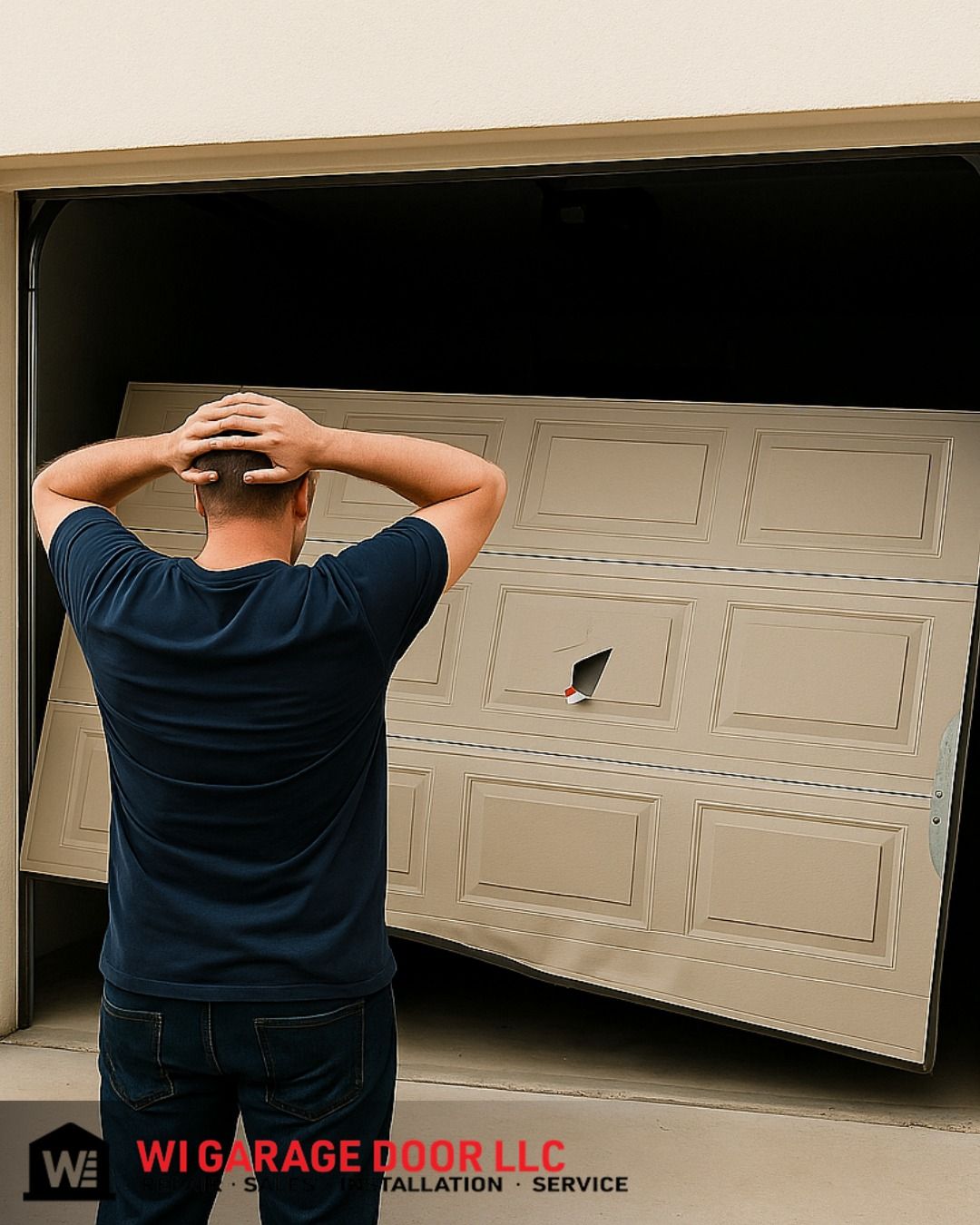
Man stands with hands on head as a garage door buckles inward under impact.
May 20, 2026
Essential questions to ask garage door repair De Pere technicians. Learn about experience, licensing, warranties, and emergency service options.
May 20, 2026
Learn how Wi-Fi and belt-drive garage door systems are transforming Green Bay homes with smart technology, enhanced security, and quiet operation for modern living.
Modern house exterior with a large gray garage door and driveway under a blue sky
May 20, 2026
Discover why belt-drive Wi-Fi openers are the smart choice for Green Bay homes. Learn about quiet operation, smart integration, and security features.
May 20, 2026
Learn how garage door springs work to counterbalance your door's weight, reducing strain on the opener and extending system lifespan with proper maintenance.
Garage door opener rail and hanging cord mounted on the ceiling
May 20, 2026
Garage door springs are essential for safety and security. Learn how they prevent accidents and protect your home from unauthorized access in this comprehensive guide.
Worker installing a garage door opener on a ceiling track, using a drill beside an orange ladder.
May 20, 2026
Learn what happens when garage door springs fail, including sudden malfunctions, opener damage, and secondary system issues. Expert repair solutions from WI Garage Door LLC.
Worker adjusting a garage door opener rail with a red string guide
May 20, 2026
Identify worn garage door springs early with these key warning signs: slow movement, strange noises, visible damage, and difficulty opening.
May 20, 2026
Expert tips for garage door cable replacement including understanding cables, safety considerations, step-by-step replacement guide, and testing procedures for smooth operation.
Show More
Man stands with hands on head as a garage door buckles inward under impact.
May 20, 2026
Essential questions to ask garage door repair De Pere technicians. Learn about experience, licensing, warranties, and emergency service options.
May 20, 2026
Learn how Wi-Fi and belt-drive garage door systems are transforming Green Bay homes with smart technology, enhanced security, and quiet operation for modern living.
Modern house exterior with a large gray garage door and driveway under a blue sky
May 20, 2026
Discover why belt-drive Wi-Fi openers are the smart choice for Green Bay homes. Learn about quiet operation, smart integration, and security features.
Show More