


Garage Door Torsion Spring Replacement: A Comprehensive Guide to the Process
Garage door torsion spring replacement is a critical maintenance task that requires professional expertise due to the high tension and potential safety hazards involved. Understanding the replacement process helps homeowners appreciate the complexity and importance of proper installation. From measuring the correct spring specifications to ensuring proper tension calibration, each step demands precision and specialized knowledge.
The torsion spring system bears the entire weight of your garage door, typically ranging from 150-400 pounds. When these springs fail, the door becomes inoperable and potentially dangerous. This comprehensive guide walks you through the professional replacement process, safety considerations, and what to expect when hiring expert technicians.
Understanding Torsion Spring Systems
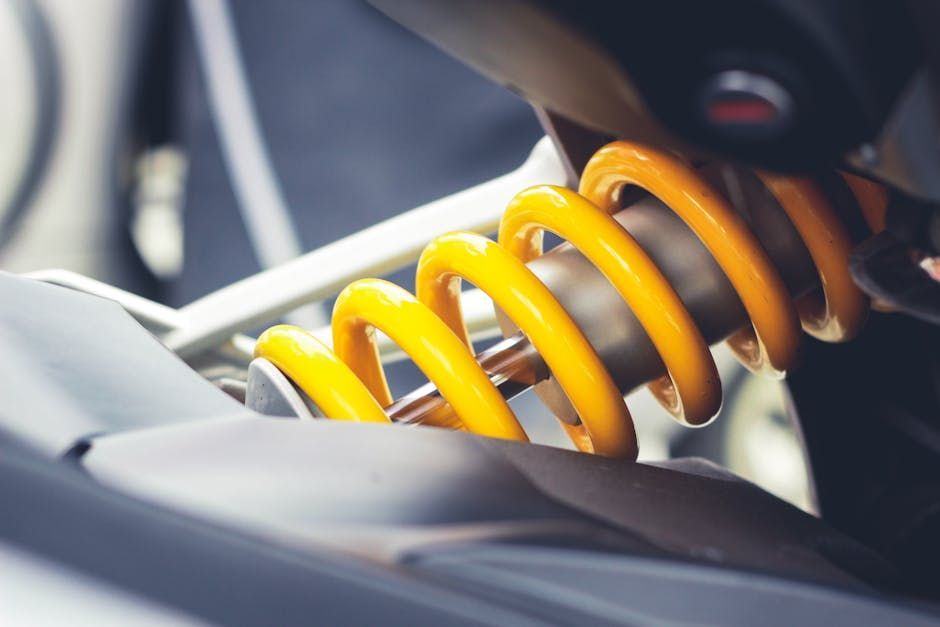
Torsion springs mount horizontally above the garage door, wound tightly around a metal shaft. As the door opens, these springs unwind, releasing stored energy that counterbalances the door's weight. This sophisticated system allows smooth operation with minimal strain on the garage door opener motor.
Most residential garage doors use one or two torsion springs depending on door weight and size. Double-car garage doors typically require two springs for proper weight distribution. The springs are calibrated to specific door weights, making it critical to install correctly-rated replacements. Learn about understanding the different types of garage door springs for replacement to identify your system.
Professional technicians assess several factors before replacement: door weight, height, track radius, and usage frequency. These measurements determine the correct spring size, wire diameter, and cycle rating needed for optimal performance and longevity.
Safety Precautions and Professional Requirements
Torsion spring replacement is one of the most dangerous garage door repairs, storing tremendous force that can cause severe injury or death if mishandled. Springs under tension can release with enough force to break bones or cause fatal head injuries. This is why professional installation is not just recommended—it's essential.
Certified technicians use specialized winding bars, safety equipment, and techniques developed through extensive training. They understand spring physics, proper winding sequences, and safety protocols that protect both themselves and your property. Attempting DIY replacement without proper tools and training puts you at serious risk.
Professional services also carry liability insurance protecting homeowners from accidents during installation. Additionally, manufacturer warranties typically require professional installation to remain valid. Understanding why automatic garage door repair is essential for home safety emphasizes the importance of expert service.
The Professional Replacement Process
Professional torsion spring replacement follows a systematic process ensuring safety and proper function. First, technicians disconnect the garage door opener and secure the door in the closed position. They carefully release tension from the old springs using specialized winding bars, a process requiring precise technique to prevent accidents.
Next, they remove the old springs from the torsion shaft, inspecting all components for wear. The shaft, drums, bearings, and cables are examined; any damaged parts are replaced during this service. New springs are then installed with the correct orientation and position on the shaft.
The critical step involves winding the new springs to the precise tension specified for your door weight. Technicians count winding turns carefully—typically 7-9 quarter turns per foot of door height—adjusting for exact calibration. After installation, they test door balance, ensuring it stays in place when manually lifted halfway.
Finally, the opener is reconnected and tested through multiple cycles. Professional services include adjusting limit switches and safety sensors to ensure complete system integration. Discover troubleshooting garage door opener repair to understand how springs and openers work together.
Post-Replacement Maintenance and Longevity
After professional installation, proper maintenance extends spring lifespan significantly. Most quality torsion springs last 10,000-30,000 cycles (roughly 7-15 years) depending on usage and quality. High-cycle springs cost more initially but provide better long-term value.
Regular maintenance includes lubricating springs every six months with silicone-based spray, never WD-40 which can attract dirt and gum up mechanisms. Periodic visual inspections help identify early wear signs like gaps in coils or rust formation. Schedule annual professional inspections to catch potential issues before complete failure.
Climate affects spring performance—extreme temperature fluctuations can reduce lifespan. Insulated garage doors with climate-controlled spaces help protect springs from harsh conditions. Learn about how to extend the life of your garage door springs through proper care and maintenance.
Keep records of installation dates and cycle ratings to predict replacement timing. Many professionals offer maintenance packages including spring lubrication, balance testing, and component inspection, providing excellent value for long-term system health.
Conclusion
Garage door torsion spring replacement is a complex, potentially dangerous task requiring professional expertise. Understanding the process helps homeowners appreciate the skill and safety considerations involved. From precise measurements to proper tension calibration, each step demands specialized knowledge and equipment that only certified technicians possess.
While the cost of professional installation may seem significant, it's a crucial investment in safety, functionality, and long-term reliability. Proper installation by qualified technicians, combined with regular maintenance, ensures your garage door operates smoothly for years while protecting your family from potential hazards. Never attempt DIY torsion spring replacement—the risks far outweigh any potential savings.