



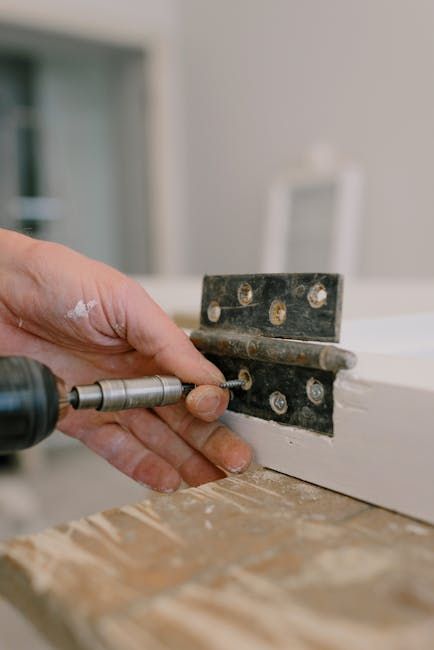
Understanding Garage Door Spring Replacement Cost: What You Need to Know

Understanding the complexities of garage door spring replacement costs requires a nuanced grasp of mechanical systems and material quality. The choice between torsion and extension springs, each with unique lifespans and load capacities, significantly impacts both cost and durability. Labor expenses also vary widely based on the technician's expertise and the intricacy of the setup.

Additionally, the geographical location can influence the availability of professional services and, consequently, pricing structures. From selecting high-tensile steel springs that promise longevity to understanding how climate affects spring performance, every decision affects your total investment. What factors should you prioritize to ensure both safety and cost-effectiveness in your garage door spring replacement?

Factors Affecting Replacement Costs

Several key factors determine the overall cost of garage door spring replacement. The type of spring—torsion or extension—directly impacts price, with torsion springs typically costing more due to their durability and balanced operation. The size and weight of your garage door also matter; heavier doors require stronger, more expensive springs.

Material quality significantly affects both upfront costs and long-term value. High-cycle springs made from premium steel last longer but cost more initially. Geographic location influences labor rates, with urban areas typically charging higher prices than rural regions. Understanding how to spot when your garage door springs need replacing helps you budget proactively.

Additionally, the complexity of your door system—including track configuration and opener integration—can increase labor time and overall costs. Emergency service calls and weekend appointments typically incur premium charges. Learn about garage door spring replacement vs. repair to determine the most cost-effective option for your situation.

Torsion vs. Extension Springs: Cost Comparison

When comparing costs, torsion springs generally range from $150-$350 for parts and professional installation, while extension springs typically cost $50-$150 per spring plus labor. However, torsion springs offer superior value through longer lifespans (15,000-30,000 cycles vs. 10,000-15,000 for extension springs) and better weight distribution.

Torsion springs mount horizontally above the door and use torque to lift it, providing smoother, quieter operation. Extension springs stretch along the track sides, making them easier to install but less durable. For double-car garage doors, expect to pay more due to the increased size and weight requirements.

Professional installation is essential for safety, especially with high-tension torsion springs. Attempting DIY replacement without proper tools and training can result in serious injury. Understand when it's time for garage door torsion spring replacement to plan your budget accordingly.

Labor and Professional Service Costs

Professional labor typically accounts for 40-60% of total replacement costs, ranging from $75-$150 per hour depending on your location and the technician's expertise. A standard replacement job takes 1-2 hours for experienced professionals, though complex systems may require additional time.

Certified technicians bring specialized tools, safety equipment, and manufacturer warranties that justify the investment. They also inspect other components during replacement, identifying potential issues before they become expensive failures. Many services include balance testing and track alignment as part of the installation process.

Emergency services can cost 50-100% more than scheduled appointments. If possible, schedule replacements during business hours to minimize costs. Learn how to choose the right garage door installer to ensure quality work at fair prices.

Some companies offer package deals that include spring replacement plus full system inspection and lubrication. These bundled services often provide better value than a la carte pricing. Always request detailed quotes comparing parts quality, labor rates, and warranty coverage before committing.

Ways to Save on Spring Replacement

Strategic planning can significantly reduce replacement costs without compromising safety or quality. Schedule service during off-peak seasons (typically late fall or winter) when demand is lower and companies may offer discounts. Get multiple quotes from reputable providers to compare pricing and services offered.

Consider upgrading to high-cycle springs during replacement to extend the interval between future replacements, reducing long-term costs. Some manufacturers offer lifetime warranties on premium springs, providing additional value. Ask about package deals that include complementary services like track lubrication or roller replacement.

However, never compromise on professional installation to save money. DIY spring replacement poses serious safety risks and can void warranties. Additionally, improper installation may damage your door system, leading to more expensive repairs. Discover how regular garage door service can save you time and money through preventative maintenance.

Conclusion

Understanding garage door spring replacement costs involves evaluating multiple factors including spring type, material quality, labor rates, and geographic location. While torsion springs cost more upfront, their superior durability and performance often provide better long-term value. Professional installation ensures safety and proper function while protecting your investment with warranties and expert service.

By getting multiple quotes, scheduling strategically, and investing in quality components, you can manage costs effectively without sacrificing safety or reliability. Remember that proper spring replacement is an investment in your home's security, convenience, and property value—making it worth the professional expense.

May 9, 2026
Complete guide to garage door torsion spring replacement. Learn the professional process, safety requirements, and post-installation maintenance for long-lasting performance.
May 9, 2026
Discover the truth about garage door repair myths. Learn which common misconceptions can damage your system and get expert advice to separate fact from fiction.

May 9, 2026
Learn how to tell if it's time for garage door torsion spring replacement. Identify warning signs, conduct balance tests, and know when to call a professional.

May 9, 2026
Learn how to troubleshoot garage door opener problems before replacing springs. Expert tips on diagnosing real issues, balance tests, and when repair beats replacement.

May 9, 2026
Discover why garage door service is key to a smooth-running home. Learn about maintenance importance, professional servicing benefits, and long-term value for homeowners.

May 9, 2026
Learn how to choose the right garage door installer for your home. Assess credentials, understand costs, verify warranties, and make informed decisions for quality installation.
May 9, 2026
Recognize when to call a garage door installer. Learn critical signs your garage needs a new door, from safety concerns to operational issues and aesthetic decline.

May 9, 2026
Discover top reasons your garage door opener needs repair and learn DIY solutions. Fix common issues like sensor misalignment, worn gears, and remote problems.
Show More
May 9, 2026
Complete guide to garage door torsion spring replacement. Learn the professional process, safety requirements, and post-installation maintenance for long-lasting performance.
May 9, 2026
Discover the truth about garage door repair myths. Learn which common misconceptions can damage your system and get expert advice to separate fact from fiction.
May 9, 2026
Learn how to tell if it's time for garage door torsion spring replacement. Identify warning signs, conduct balance tests, and know when to call a professional.
Show More