Storm-Proof Your Garage in Green Bay: Why Garage Door Spring Replacement Should Be Step One
Green Bay residents know all too well the harsh weather conditions that come with living near Lake Michigan. From bone-chilling winters with heavy snowfall to severe thunderstorms and high winds during warmer months, your home's exterior faces constant challenges. While many homeowners focus on roof maintenance and siding protection, the garage door often remains overlooked—until it fails at the most inconvenient time. Storm-proofing your garage should be a priority, and garage door spring replacement is the critical first step in this essential home maintenance process.
Understanding Why Garage Door Springs Fail in Green Bay's Climate
The unique climate conditions in Green Bay create specific challenges for garage door systems. Temperature fluctuations between seasons put enormous stress on metal components, particularly the springs that do the heavy lifting every time you open and close your garage door. These springs contract in cold weather and expand during warmer conditions, gradually weakening their tension and resilience.
According to local weather data, Green Bay experiences average winter temperatures that regularly dip below freezing for months at a time, followed by summer temperatures that can reach the high 80s. This 80+ degree annual temperature swing creates ideal conditions for metal fatigue in garage door springs.
When you factor in Green Bay's annual precipitation—averaging over 30 inches of rain and 50 inches of snow—the moisture exposure further accelerates spring deterioration through rust and corrosion. Even with galvanized or coated springs, the combination of moisture and temperature changes inevitably leads to weakening.
Most standard garage door springs are rated for approximately 10,000 cycles (one cycle being the door opening and closing once). In a typical household where the garage door is used multiple times daily, springs may reach this limit in just 5-7 years. However, in Green Bay's harsh conditions, homeowners often report needing garage door spring replacement in as little as 3-5 years.
Signs Your Garage Door Springs Need Replacement Before Storm Season
Being proactive about garage door spring replacement can prevent catastrophic failure during severe weather events. Here are key indicators that your springs may be approaching failure:
Uneven door movement occurs when your garage door appears crooked or uneven when operating, often indicating one spring is failing while the other still functions. Loud bangs or snapping sounds during operation almost certainly mean a spring has broken, requiring immediate garage door spring replacement.
Slow response time manifests when your door begins moving more slowly than usual or hesitates before responding to your opener, with weakening springs typically to blame. Visible gaps or separation in springs can be observed by examining your extension springs for gaps between coils or torsion springs for spacing inconsistencies, both clear signs of impending failure.
A door that falls rapidly when closing, slamming shut instead of lowering smoothly, indicates the springs have lost tension and can no longer properly counterbalance the door's weight. Increased effort from your opener, evidenced by straining noises, shows it's compensating for springs that can no longer effectively assist with the door's weight.
Visible rust or corrosion on springs accelerates metal fatigue and shortens their lifespan considerably. The presence of any of these signs should prompt consideration of garage door spring replacement, especially before Green Bay's storm seasons arrive.
As you prepare your garage for storm readiness, remember that spring replacement is just the foundation. Understanding why your garage needs to be storm-ready and exploring your first line of defense against storm damage provides the complete picture for protecting your home investment.
How Storm Damage Compounds Garage Door Spring Problems
When severe weather strikes Green Bay, compromised garage door springs face additional stresses that can lead to complete system failure. High winds create pressure differentials that push and pull against garage doors with tremendous force. A properly functioning door with appropriate spring tension can withstand these forces, but doors with weakened springs become vulnerable points in your home's exterior defense system.
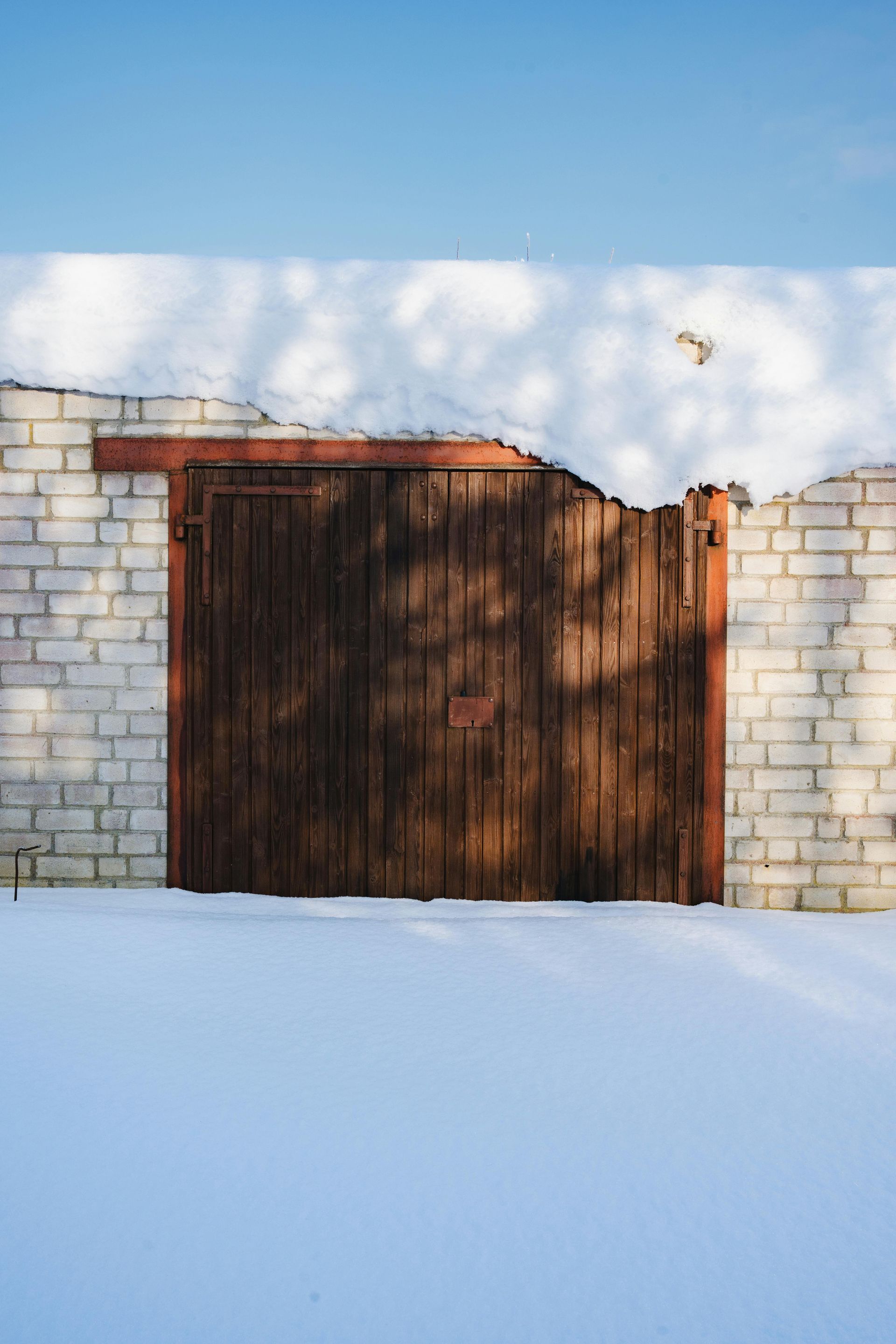
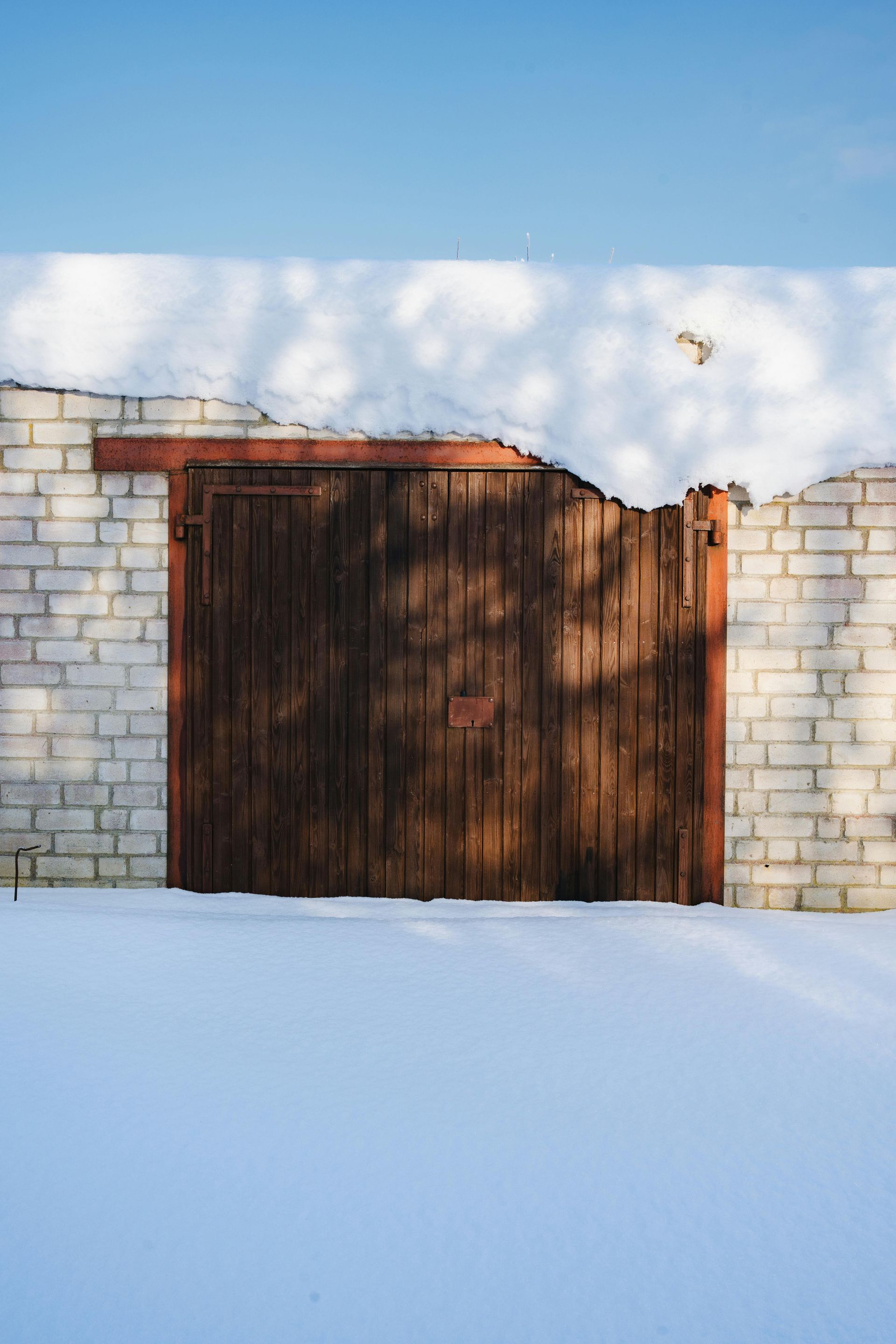
During winter storms, the weight of snow and ice accumulation adds substantial burden to an already stressed system. Even a modest snowfall can add significant weight to your garage door, and when springs lack proper tension, this additional weight often becomes the breaking point.
Heavy rain and flooding conditions present another hazard. Water infiltration through a compromised garage door can damage interior components, leading to premature rusting of springs and tracks. Once rust takes hold, garage door spring replacement becomes inevitable, as corroded springs lose elasticity and strength at an accelerated rate.
Wind-driven debris represents perhaps the most immediate threat during storms. When powerful gusts propel branches or other objects against your garage door, the impact creates shock waves throughout the system. Doors with properly functioning springs can absorb some of this energy, but those with worn springs transfer these forces directly to the opener and mounting hardware, potentially causing catastrophic failure.
The Storm-Proofing Process: Starting with Garage Door Spring Replacement
Creating a storm-resistant garage requires a systematic approach, with garage door spring replacement as the foundation. Here's a comprehensive guide to storm-proofing your garage, beginning with this crucial first step:
Step 1: Professional Spring Assessment and Replacement
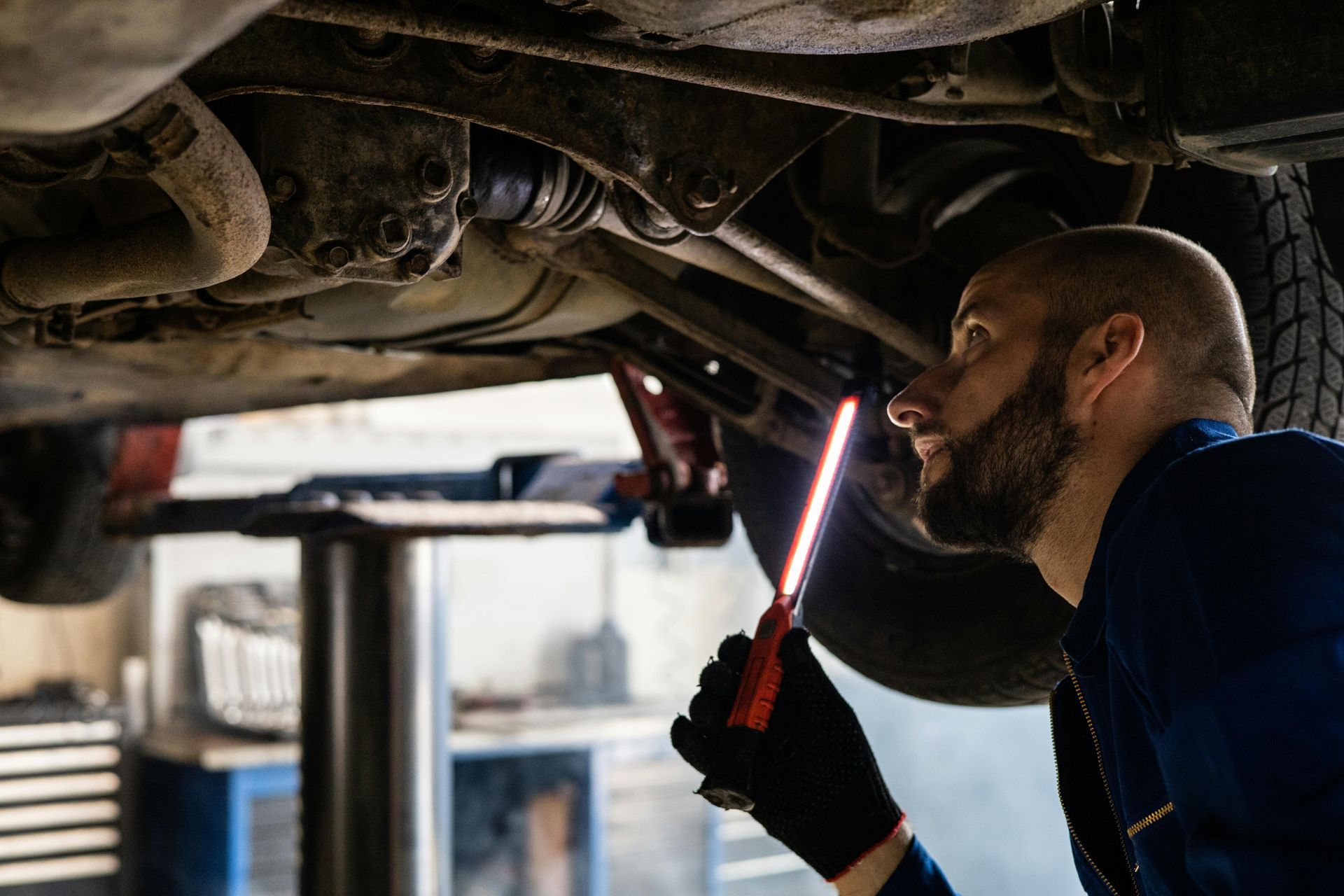
While DIY enthusiasts might tackle various home maintenance tasks, garage door spring replacement should be left to qualified professionals. Torsion springs store enormous energy and can cause serious injury or property damage if mishandled. A professional technician will measure your door's weight and dimensions to select properly rated replacement springs, safely remove old springs without risking personal injury, install new springs with precise tension adjustments, test the balance and operation to ensure optimal performance, and recommend appropriate spring types for Green Bay's climate conditions.
When selecting replacement springs, consider upgrading to options specifically designed for harsh weather environments. Galvanized springs offer superior rust resistance, while oil-tempered springs provide better performance in fluctuating temperatures common to Green Bay.
For maximum durability, high-cycle springs rated for 20,000-50,000 cycles represent a worthwhile investment for homeowners in storm-prone areas. Though the upfront cost is higher than standard springs, the extended lifespan and improved reliability during severe weather justify the additional expense.
Step 2: Weatherstripping and Seal Upgrades
Once your garage door spring replacement is complete, addressing potential points of water infiltration becomes the next priority. Upgrading weatherstripping along the bottom, sides, and between door panels creates a more effective barrier against wind-driven rain and snow.
Commercial-grade threshold seals installed at the garage door's base prevent water penetration during heavy downpours, while flexible side seals eliminate gaps that allow wind infiltration. For between-panel sealing, V-shaped weatherstripping creates compression-based seals that remain effective even as your door flexes during high winds.
Step 3: Reinforcement Hardware Installation
After garage door spring replacement and seal upgrades, installing reinforcement hardware provides additional structural integrity during storms. Horizontal bracing kits attach to the inside of sectional doors, preventing the panels from bowing inward during high winds.
Hurricane brace systems, while designed for coastal regions, offer excellent protection for Green Bay homes during severe thunderstorms and blizzard conditions. These systems typically include heavy-duty brackets and bars that transfer wind pressure from the door panels to the garage structure itself.
Step 4: Opener Upgrades and Battery Backup
A storm-proof garage system should function even during power outages. Modern garage door openers with battery backup capabilities ensure you can access your garage during electrical failures. Additionally, upgrading to openers with enhanced lifting capacity reduces strain on your newly replaced garage door springs during adverse weather conditions.
For comprehensive protection, consider openers with DC motors (quieter and more efficient than AC alternatives), battery backup with extended runtime, smart technology for remote monitoring during storms, and soft-start and soft-stop features that reduce wear on springs and hardware.
To complement your physical storm-proofing efforts, consider exploring modern garage door service solutions that integrate smart technology with traditional protection methods, providing both convenience and enhanced security during severe weather events.
Expert Recommendations for Green Bay Homeowners
Local garage door professionals with experience in Green Bay's specific climate conditions generally recommend the following best practices:
Schedule professional garage door spring replacement every 5-7 years as preventative maintenance, rather than waiting for failure. Consider upgrading to high-cycle torsion springs rather than standard extension springs when replacement becomes necessary. Time your garage door spring replacement for early fall, before winter weather arrives, to ensure maximum protection during the harshest months.
After spring replacement, have your entire system calibrated specifically for temperature fluctuations common to Green Bay. Document all maintenance and keep records of when garage door spring replacement was last performed, creating a maintenance history that helps predict future service needs.
By following these expert recommendations and prioritizing garage door spring replacement as the foundation of your storm-proofing strategy, Green Bay homeowners can significantly enhance their home's resilience against the region's challenging weather conditions.
When properly maintained, your garage door serves as a critical first line of defense against storms, protecting not only your vehicles but also the structural integrity of your entire home. The modest investment in professional garage door spring replacement and subsequent maintenance yields substantial returns through prevented damage and enhanced peace of mind during severe weather events.
Conclusion
Remember that garage door spring replacement stands as the essential first step in creating a truly storm-resistant garage. Without properly functioning springs, even the most advanced weatherstripping and reinforcement hardware cannot fully protect your home from Green Bay's challenging climate conditions.
Take action before storm season arrives, and ensure your garage door is ready to withstand whatever weather challenges lie ahead. Your home—and your future self—will thank you for this proactive approach to storm preparation and protection.