What to Do When Your Garage Door Is Off Track
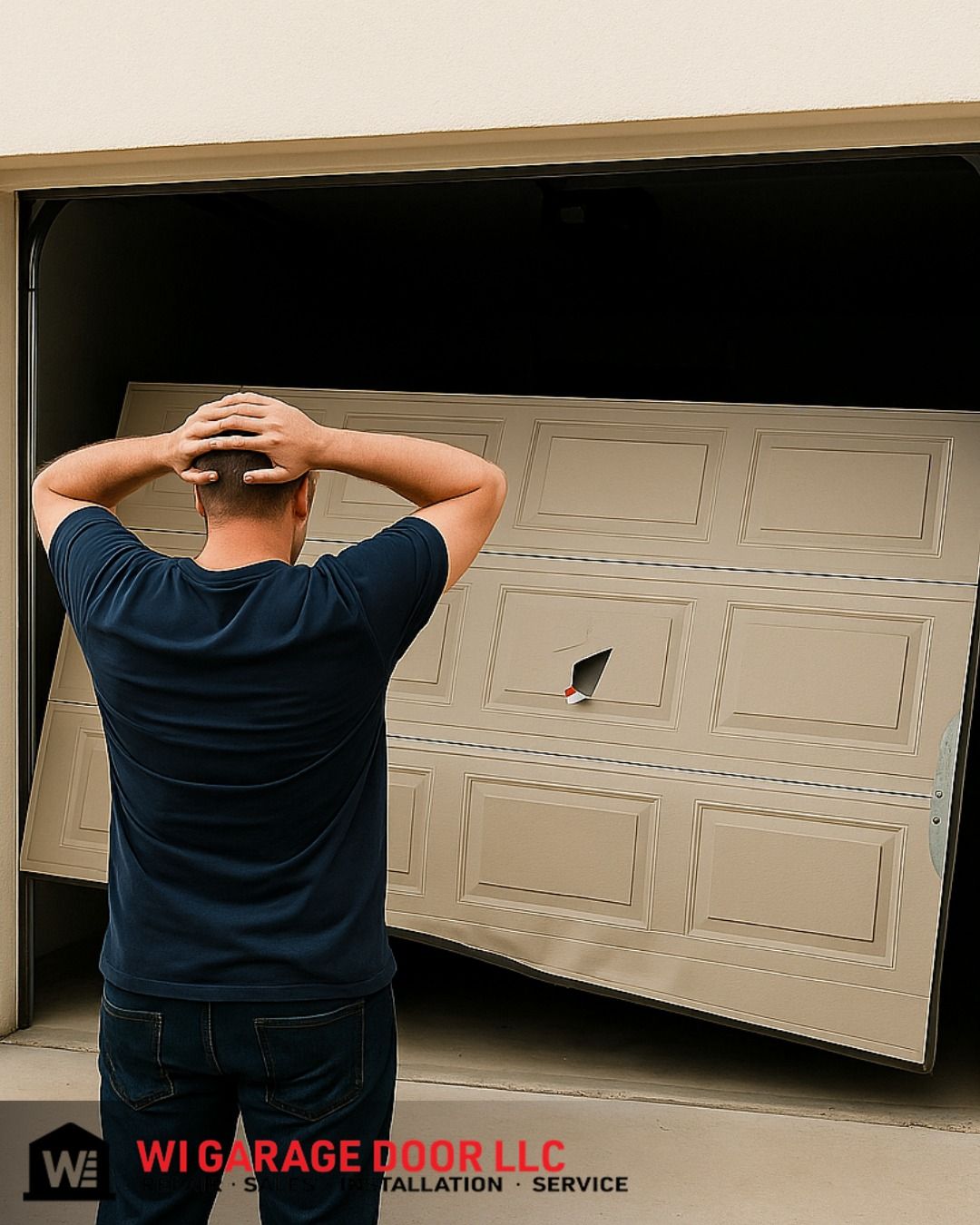
A garage door that is off track can be a frustrating and concerning issue for homeowners. The track system guides the door, allowing it to open and close smoothly. When the door comes off the track, it can become stuck, misaligned, or even fall, creating a potential safety hazard.
If this happens, it's important to take immediate action to prevent further damage to the door and ensure that it functions properly once again. A simple misalignment might be the issue, but in some cases, the problem may be more complex, requiring professional attention.
Understanding the steps to take when your garage door is off track can help you address the problem quickly and safely. This situation requires careful handling to avoid injury and prevent additional damage to your garage door system.
Dealing with track issues connects with broader garage door problems like sticking problems and noise issues that often indicate underlying mechanical concerns.
Understanding the Track System
Your garage door track system consists of metal rails that guide the door's movement from the closed position to fully open. These tracks must maintain precise alignment and structural integrity to support the door's weight while allowing smooth operation.
The track system includes vertical sections near the door opening, curved transition pieces, and horizontal sections that extend into the garage. Rollers attached to the door panels travel within these tracks, and any disruption to this system can cause the door to derail.
Understanding the Causes of an Off-Track Garage Door
There are a number of reasons why a garage door might come off its track, ranging from minor misalignments to more severe structural issues. One common cause is the wear and tear on the door's components, such as the rollers or cables.
Over time, these parts can become worn or broken, causing the door to become misaligned or even slip off the track. Another possibility is a lack of regular maintenance, which can lead to debris accumulation or rust in the tracks, hindering the door's movement.
Common Causes Include:
• Worn or damaged rollers losing track contact
• Bent or misaligned track sections
• Loose mounting hardware allowing track movement
• Impact damage from vehicles or objects
• Cable failure affecting door balance
• Spring problems causing uneven door movement
Sometimes, accidental impacts—such as bumping the door with a vehicle—can also knock the door off track. When this happens, it's essential to avoid trying to fix the problem yourself, as improper handling can lead to further damage.
Immediate Safety Steps
If your garage door comes off track, your immediate priority should be safety rather than attempting repairs. An off-track door can fall unexpectedly, causing serious injury or property damage if not handled properly.
Never attempt to operate an off-track garage door, whether manually or with the automatic opener. The door's weight and compromised support system create dangerous conditions that require professional expertise to address safely.
Immediate Safety Actions:
• Stop all door operation immediately
• Disconnect the automatic opener to prevent activation
• Keep people and vehicles away from the door area
• Do not attempt to force the door closed or open
• Secure the area to prevent unauthorized access
• Contact professional repair services immediately
How to Address an Off-Track Garage Door Safely
If your garage door is off track, your first instinct may be to attempt a DIY fix. However, this can be dangerous, especially if the door is heavy or the tracks are damaged. It's crucial not to force the door open or closed, as this could worsen the misalignment or cause other parts of the door mechanism to break.
Instead, start by ensuring that the garage door is in a safe, stationary position. If it's still partially on track, avoid any movement that could cause complete derailment. The door's weight and the compromised track system create unstable conditions.
Once you've secured the area, contact a professional garage door repair service to assess the situation. They can determine the exact cause of the misalignment and offer the necessary repairs safely and effectively.
Why Professional Service is Essential
Garage door track repair requires specialized knowledge, tools, and safety equipment that most homeowners don't possess. Professional technicians understand the complex interactions between tracks, springs, cables, and door panels.
Attempting DIY track repairs can result in serious injury from falling doors, spring tension release, or structural collapse. Additionally, improper repairs often cause more extensive damage that increases repair costs significantly.
Professional Advantages:
• Specialized tools for safe track realignment
• Expertise in structural assessment and repair
• Knowledge of safety protocols and procedures
• Access to replacement parts and components
• Warranty coverage on repairs and labor
• Insurance and liability protection
This professional expertise aligns with the broader benefits discussed in comprehensive professional services and safety considerations.
Assessment and Diagnostic Process
Professional garage door technicians follow a systematic diagnostic process to determine the cause of track derailment and develop appropriate repair strategies. This assessment considers structural integrity, component condition, and safety factors.
The diagnostic process includes examining track alignment, measuring clearances, testing door balance, and evaluating all related components. This comprehensive approach ensures that underlying problems are identified and addressed.
Professional Assessment Includes:
• Track alignment and structural integrity evaluation
• Roller condition and bearing assessment
• Spring tension and balance testing
• Cable condition and attachment verification
• Hardware tightness and mounting security
• Door panel condition and weight distribution
Common Track Problems and Solutions
Different types of track problems require specific repair approaches. Understanding these issues helps homeowners recognize the severity of their situation and the complexity of required repairs.
Minor misalignments may require track adjustment and hardware tightening, while severe damage might necessitate complete track replacement. The repair approach depends on the extent of damage and underlying causes.
Track Problem Categories:
• Minor misalignment requiring adjustment
• Bent track sections needing straightening or replacement
• Loose mounting requiring hardware reinforcement
• Structural damage requiring complete track replacement
• Foundation settling affecting track geometry
• Impact damage requiring comprehensive repair
Prevention Strategies
While some track problems result from normal wear or accidental damage, many can be prevented through proper maintenance and careful operation. Regular inspections help identify potential issues before they cause derailment.
Maintaining clear garage spaces reduces the risk of accidental impacts, while regular lubrication and cleaning keep tracks functioning smoothly. Professional maintenance visits can identify and address developing problems.
Prevention Measures:
• Regular visual inspections of track alignment
• Prompt removal of debris from track channels
• Careful vehicle operation near garage doors
• Professional maintenance and adjustment services
• Immediate attention to unusual sounds or movements
• Proper lubrication of track and roller contact points
These prevention strategies work alongside proper maintenance techniques to ensure long-term system reliability.
When Emergency Service is Needed
Certain off-track situations require immediate emergency attention to prevent injury or extensive property damage. Recognizing these emergency conditions helps homeowners respond appropriately and prioritize safety.
If the door has fallen completely, blocks vehicle access, or shows signs of imminent collapse, emergency service becomes essential. These situations require immediate professional intervention to secure the area and prevent further damage.
Emergency Indicators:
• Complete door derailment or collapse
• Door blocking emergency vehicle access
• Visible structural damage to tracks or supports
• Security concerns from non-functional door
• Weather exposure through compromised closure
• Multiple system failures affecting door stability
Repair Process and Timeline
Professional track repair typically follows a systematic process that prioritizes safety while restoring full door functionality. The timeline depends on damage severity and parts availability.
Minor adjustments might be completed in a single service visit, while major repairs requiring track replacement could take longer. Professional services provide realistic timelines and keep homeowners informed throughout the process.
It's important to remember that attempting to fix an off-track door yourself may not only be dangerous but could also lead to more expensive repairs if not handled properly. Professional service ensures safe, effective resolution while protecting your investment in your garage door system.