How to Fix a Noisy Garage Door
A noisy garage door can be an irritating nuisance, often disrupting the peace of your home or neighborhood. The constant squeaks, rattles, and grinding sounds can indicate that something within the system is out of alignment or in need of maintenance.
One of the most common reasons for a noisy garage door is friction, caused by worn-out components such as rollers, springs, or hinges. In some cases, the issue may be as simple as needing lubrication or tightening screws.
However, it's essential to address these sounds promptly. Ignoring them can lead to more severe issues requiring expensive repairs. Regular inspection and maintenance can prevent unwanted noise and ensure efficient operation.
Understanding how to address noise issues connects with broader maintenance practices like resolving sticking problems and proper lubrication techniques.
Understanding Garage Door Noise Sources
Different components of your garage door system can generate distinct types of noise, and understanding these sources helps identify the specific issues that need attention. A properly functioning garage door should operate with minimal noise, so any persistent sounds indicate maintenance needs.
The garage door system includes multiple moving parts working in coordination: rollers traveling along tracks, springs providing counterbalance, hinges connecting panels, and the opener motor driving the entire mechanism. When any component develops problems, it often announces itself through characteristic sounds.
Common Causes of Noisy Garage Doors
Several factors contribute to a noisy garage door, with the most common being worn or damaged parts. Over time, rollers can become cracked or misaligned, causing friction as they move along the tracks. Similarly, the springs and hinges may loosen or degrade, leading to an uneven operation of the door.
Another culprit is a lack of lubrication, which can cause parts to rub together noisily. Rust and dirt build-up on these components also exacerbate the issue. Understanding these common causes helps homeowners identify when they need professional attention.
Primary Noise Sources Include:
• Worn or damaged rollers creating friction
• Loose hardware vibrating during operation
• Insufficient lubrication on moving parts
• Misaligned tracks causing binding
• Worn springs affecting door balance
• Debris accumulation in track channels
Temperature changes throughout seasonal cycles can cause metal components to expand and contract, leading to loosened hardware and increased noise levels. This seasonal variation highlights the importance of regular maintenance adjustments.
Identifying Specific Noise Types
Different types of noises indicate specific problems with your garage door system. Learning to identify these sounds helps target repair efforts effectively and determines whether professional service is needed immediately.
Squeaking sounds typically point to a lack of lubrication on moving parts, while grinding noises often suggest worn rollers or damaged tracks. Rattling sounds usually indicate loose hardware throughout the system, from hinges to track brackets.
Noise Types and Their Meanings:
• Squeaking:
Insufficient lubrication on rollers or hinges
• Grinding:
Worn rollers or damaged track surfaces
• Rattling:
Loose hardware needing tightening
• Popping/Snapping:
Spring or cable stress requiring immediate attention
• Thumping:
Opener motor issues or door imbalance
• Scraping:
Misaligned tracks or damaged door panels
When homeowners hear popping or snapping sounds, this often signals issues with springs or cables that should never be ignored. These sounds may indicate components that are close to failure and require immediate professional attention.
DIY Noise Reduction Solutions
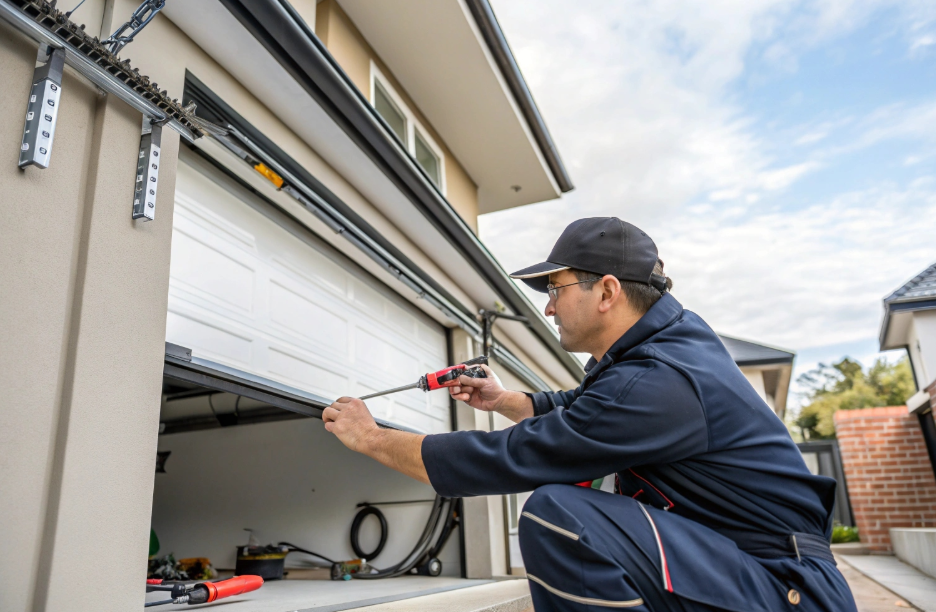
Fixing a noisy garage door can often be a straightforward task that doesn't require professional intervention. Start by inspecting the door's components to identify any worn-out or damaged parts that might be contributing to noise.
Begin your troubleshooting by disconnecting the opener and manually operating the door to isolate mechanical noises from opener-related sounds. This simple step helps determine whether the issue lies with the door mechanism itself or the automatic opener system.
Step-by-Step Noise Reduction Process:
1. Visual Inspection: Examine all visible components for signs of wear, damage, or misalignment. Look for cracked rollers, loose hardware, and debris accumulation in tracks.
2. Hardware Tightening: Using appropriate tools, check and tighten all bolts, screws, and mounting brackets. Be careful not to over-tighten, as this can cause damage.
3. Track Cleaning: Remove dirt and debris from track channels using a damp cloth. Small objects caught between rollers and tracks can cause significant noise.
4. Lubrication Application: Apply appropriate lubricant to rollers, hinges, springs, and track contact points. Use silicone-based lubricants rather than petroleum products that attract dirt.
These basic maintenance steps often resolve common noise issues while improving overall door performance. This approach works alongside rust prevention strategies for comprehensive door care.
Professional Lubrication Techniques
Proper lubrication is crucial for quiet garage door operation, but the type and application method significantly affect results. Different components require different lubricant types for optimal performance and noise reduction.
Avoid using WD-40 or similar penetrating oils for long-term lubrication, as these products attract dirt and debris over time. Instead, use white lithium grease for metal-to-metal contact points and silicone spray for rollers and tracks.
Lubrication Best Practices:
• Use manufacturer-recommended lubricants for each component type
• Apply lubricant sparingly to avoid excess buildup
• Focus on pivot points, contact surfaces, and bearing areas
• Wipe away excess lubricant that could attract debris
• Relubricate every 3-4 months or as needed
• Increase frequency in harsh weather conditions
When Professional Service Becomes Necessary
While many noise issues can be addressed through basic maintenance, some problems require professional expertise. Certain situations indicate immediate need for professional attention to ensure safety and prevent further damage.
Spring replacement represents one of the most dangerous garage door repairs and should always be handled by professionals. These components are under extreme tension and require specialized tools and knowledge for safe handling.
Professional Service Indicators:
• Persistent noise despite basic maintenance efforts
• Popping or snapping sounds from springs or cables
• Visible damage to critical components
• Door operation becoming increasingly difficult
• Safety feature malfunctions
• Electrical issues with opener systems
Professional services provide comprehensive diagnostic capabilities that identify all potential noise sources and address them systematically. This thorough approach ensures lasting solutions rather than temporary fixes.
This professional expertise connects with broader benefits outlined in comprehensive professional service advantages and safety considerations.
Advanced Troubleshooting for Persistent Noise
Beyond basic maintenance, advanced troubleshooting requires understanding the complex interactions between garage door components. Some noise issues stem from subtle problems that aren't immediately obvious during casual inspection.
Track alignment issues may not be immediately visible but can cause significant noise as the door operates. Professional alignment requires precise measurements and specialized tools to ensure proper geometry throughout the door's travel path.
Door balance problems contribute to both noise and premature component wear. An imbalanced door places additional stress on the opener motor and can cause springs to wear unevenly, creating ongoing noise issues.
Preventive Maintenance for Long-Term Quiet Operation
Regular maintenance programs help prevent noise issues from developing while ensuring optimal garage door performance. Establishing a routine maintenance schedule addresses potential problems before they create operational noise or system failure.
Seasonal maintenance becomes particularly important in variable climates where temperature fluctuations affect metal components differently. Professional technicians understand how to compensate for these seasonal changes and make appropriate adjustments.
Maintenance Schedule Recommendations:
• Monthly visual inspections and basic lubrication
• Quarterly comprehensive component checks
• Semi-annual professional service visits
• Annual system balance and alignment verification
• Immediate attention to any new or unusual sounds
By addressing garage door noise systematically through proper diagnosis, appropriate maintenance, and professional service when needed, homeowners can enjoy quiet, reliable operation while protecting their investment in this essential home system.