Why Spring Tension is Vital for the Smooth Movement of Your Garage Door
Spring tension plays an indispensable role in the smooth operation of your garage door, directly influencing its performance and longevity. Understanding this critical aspect of garage door mechanics helps homeowners appreciate the sophisticated engineering that makes daily operation possible.
The springs are responsible for balancing the heavy weight of the door, which allows it to glide up and down effortlessly with minimal energy input from the opener motor. This delicate balance represents the heart of your garage door system's efficiency.
Over time, the tension in these springs can fluctuate due to wear and environmental factors. If the tension is too high or too low, it can cause the door to become unbalanced, resulting in uneven movement or, worse, total system failure.
Understanding spring tension connects with broader garage door maintenance topics including spring performance impacts, door movement problems, and operational noise issues.
The Science Behind Spring Tension
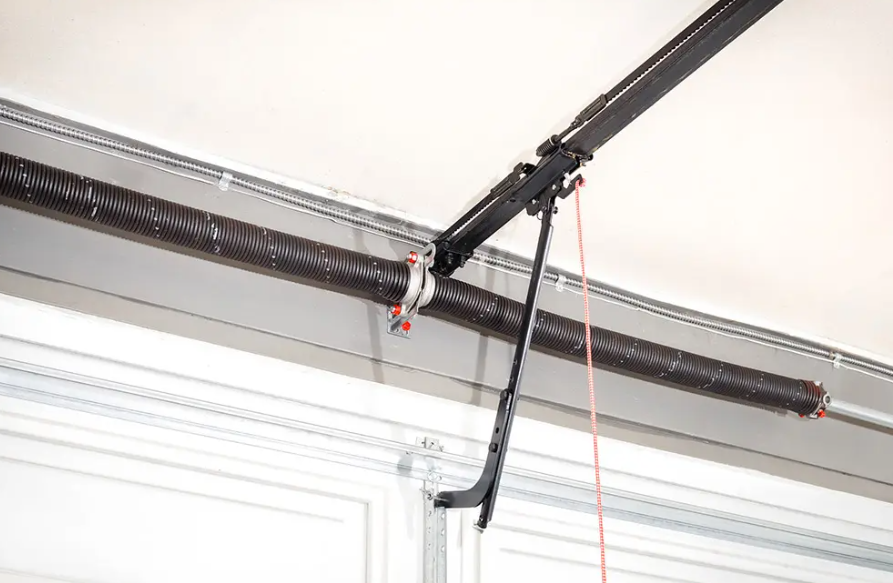
Garage door spring systems operate on precise mechanical principles that balance the door's weight through stored energy. This energy storage and release mechanism allows the heavy door to move smoothly while requiring minimal force from the opener or manual operation.
Torsion springs use rotational force to create lifting energy, while extension springs use stretching and contracting motion. Both systems must maintain specific tension levels to provide proper counterbalance throughout the door's operational range.
The tension must remain consistent throughout the door's travel path, providing equal force whether the door is closed, partially open, or fully raised. This consistency ensures smooth operation and prevents stress concentration on specific components.
How Spring Tension Affects the Operation of Your Garage Door
Spring tension is the force that allows your garage door to move freely and efficiently. Garage door springs are designed to work in unison with the door opener, absorbing the weight of the door and creating the necessary force to raise or lower it smoothly.
The amount of tension on the springs determines how easily the door moves and how much work the opener motor must perform. Proper tension means the door should feel almost weightless when manually operated, requiring minimal effort to lift or lower.
If the tension is too tight, the door will open too quickly and could cause damage to the track, opener, or even the door panels themselves. Excessive tension can also cause the door to slam shut if the opener fails or loses power during operation.
Signs of Proper Spring Tension:
• Door opens and closes at consistent speed
• Manual operation requires minimal effort
• Door stays in place when stopped mid-travel
• Even movement without jerking or binding
• Quiet operation without excessive noise
• Opener motor operates smoothly without strain
On the other hand, too little tension makes the door difficult to lift, putting unnecessary strain on the motor and increasing the risk of mechanical failure. The opener must work harder to compensate for inadequate spring assistance.
The Consequences of Improper Spring Tension
When spring tension falls outside optimal parameters, it creates cascading problems throughout the entire garage door system. These issues often start subtly but progressively worsen, leading to expensive repairs and potential safety hazards.
Insufficient tension forces the opener motor to work beyond its design capacity, leading to overheating, premature wear, and eventual failure. The additional strain also affects the drive mechanism, chains, belts, and gears within the opener assembly.
Excessive tension creates different but equally serious problems. The door may open too rapidly, creating control issues and potential safety hazards. Components experience stress from the rapid acceleration and deceleration forces.
Problems from Incorrect Tension:
• Premature opener motor failure from overwork
• Uneven wear on tracks, rollers, and hinges
• Door panel damage from stress and vibration
• Cable stretch or failure from improper loading
• Safety system malfunctions due to imbalance
• Increased energy consumption and operating costs
The Dangers of Incorrect Spring Tension
Incorrect spring tension isn't just a nuisance—it can be downright dangerous. When the tension is out of balance, the door becomes harder to control, which can lead to accidents or injuries that could have serious consequences.
A door that moves erratically or falls unexpectedly can cause significant harm to people, pets, or property. The forces involved in garage door operation are substantial, and uncontrolled movement creates immediate safety risks.
Moreover, incorrect tension causes additional strain on other components of the garage door system, including the opener, tracks, and rollers. This stress accelerates wear and tear, potentially leading to costly repairs or complete system failure.
Safety Risks from Poor Tension:
• Sudden door fall causing injury or property damage
• Uncontrolled rapid opening creating collision hazards
• Door binding mid-operation trapping vehicles or people
• Spring failure under extreme tension loads
• Opener safety features becoming ineffective
• Emergency release mechanisms failing to operate properly
These safety considerations align with broader garage door safety practices discussed in essential safety guidelines and professional service benefits covered in comprehensive professional advantages.
Professional Spring Tension Adjustment
Spring tension adjustment requires specialized knowledge, precise tools, and strict safety protocols that make professional service essential. The high forces involved in spring systems create serious injury risks for untrained individuals attempting DIY adjustments.
Professional technicians use calibrated tools to measure and adjust tension according to manufacturer specifications. They understand the relationship between door weight, spring specifications, and optimal tension levels for each specific application.
The adjustment process involves precise calculations based on door dimensions, weight distribution, and usage patterns. Even small errors in tension settings can create significant operational and safety problems.
Professional Adjustment Process:
• Comprehensive system assessment and measurement
• Door weight and balance evaluation
• Spring condition and specification verification
• Precise tension adjustment using calibrated tools
• Complete system testing and safety verification
• Documentation of settings and recommendations
Maintaining Optimal Spring Tension
Maintaining proper spring tension requires understanding the factors that affect tension over time and implementing appropriate maintenance strategies. Environmental conditions, usage patterns, and component aging all influence tension stability.
Temperature variations cause metal springs to expand and contract, affecting tension levels. Seasonal adjustments may be necessary in climates with significant temperature swings to maintain optimal performance.
Regular professional inspections help identify tension drift before it creates operational problems. These assessments can detect subtle changes that indicate developing issues requiring attention.
Tension Maintenance Strategies:
• Seasonal professional inspections and adjustments
• Environmental protection to minimize temperature effects
• Usage monitoring to track system performance
• Preventive replacement before complete spring failure
• Comprehensive system maintenance programs
• Documentation of tension settings and changes
When Professional Spring Service Becomes Necessary
Certain indicators signal the need for immediate professional spring tension service. Recognizing these signs helps homeowners address problems before they escalate into safety hazards or extensive damage.
Changes in door operation characteristics often indicate developing tension problems. Door speed variations, unusual sounds, or increased opener effort all suggest tension issues requiring professional attention.
Regular professional service helps maintain optimal tension while identifying potential problems early. This proactive approach prevents minor issues from developing into major system failures.
Service Indicators:
• Door opening or closing speed changes
• Increased noise during operation
• Opener struggling or working harder
• Door failing to stay open at intermediate positions
• Visible spring wear or damage
• Safety system activation or malfunction
This professional expertise connects with maintenance practices outlined in comprehensive maintenance strategies and optimal condition practices discussed in door condition maintenance.
The Long-Term Benefits of Proper Spring Tension
Maintaining correct spring tension provides numerous long-term benefits that extend well beyond smooth door operation. These advantages include extended component life, reduced energy consumption, and enhanced safety for daily operation.
Properly balanced doors place minimal stress on all system components, maximizing their operational lifespan and reducing the frequency of repairs and replacements. This balanced operation translates into significant cost savings over time.
Energy efficiency improves when the opener motor operates within its designed parameters, reducing electricity consumption and extending motor life. The cumulative savings from efficient operation often exceed the cost of professional maintenance.
Long-Term Advantages:
• Extended lifespan of all system components
• Reduced energy consumption and operating costs
• Enhanced safety and reliability
• Lower long-term maintenance expenses
• Improved property value and functionality
• Peace of mind from reliable daily operation
Regular professional maintenance and timely spring tension adjustments ensure that your garage door system operates safely, efficiently, and reliably for years to come. This investment in proper spring tension management protects your home's functionality while ensuring the safety of your family and property.
Our Services