Garage Door Operations: A Crash Course
As a homeowner, you probably rely on your garage door more than you realize, but if you're like many people, you may not know a whole lot about its mechanics. Understanding the basics of its operations can help you identify any issues or problems more quickly, perform better maintenance, and communicate more effectively with repair professionals when service is needed. This comprehensive guide will walk you through everything you need to know about how your garage door works, from the major components to the safety systems that protect your family.
The Main Components of Your Garage Door System
The Door Panels
Your garage door is composed of several horizontal panels connected by hinges that allow the door to bend as it travels along the tracks. These panels are typically made from steel, aluminum, wood, or composite materials, each offering different benefits in terms of durability, insulation, and appearance. The panels work together as a single unit, moving smoothly through the opening and closing cycles when properly maintained and balanced.
The Track System
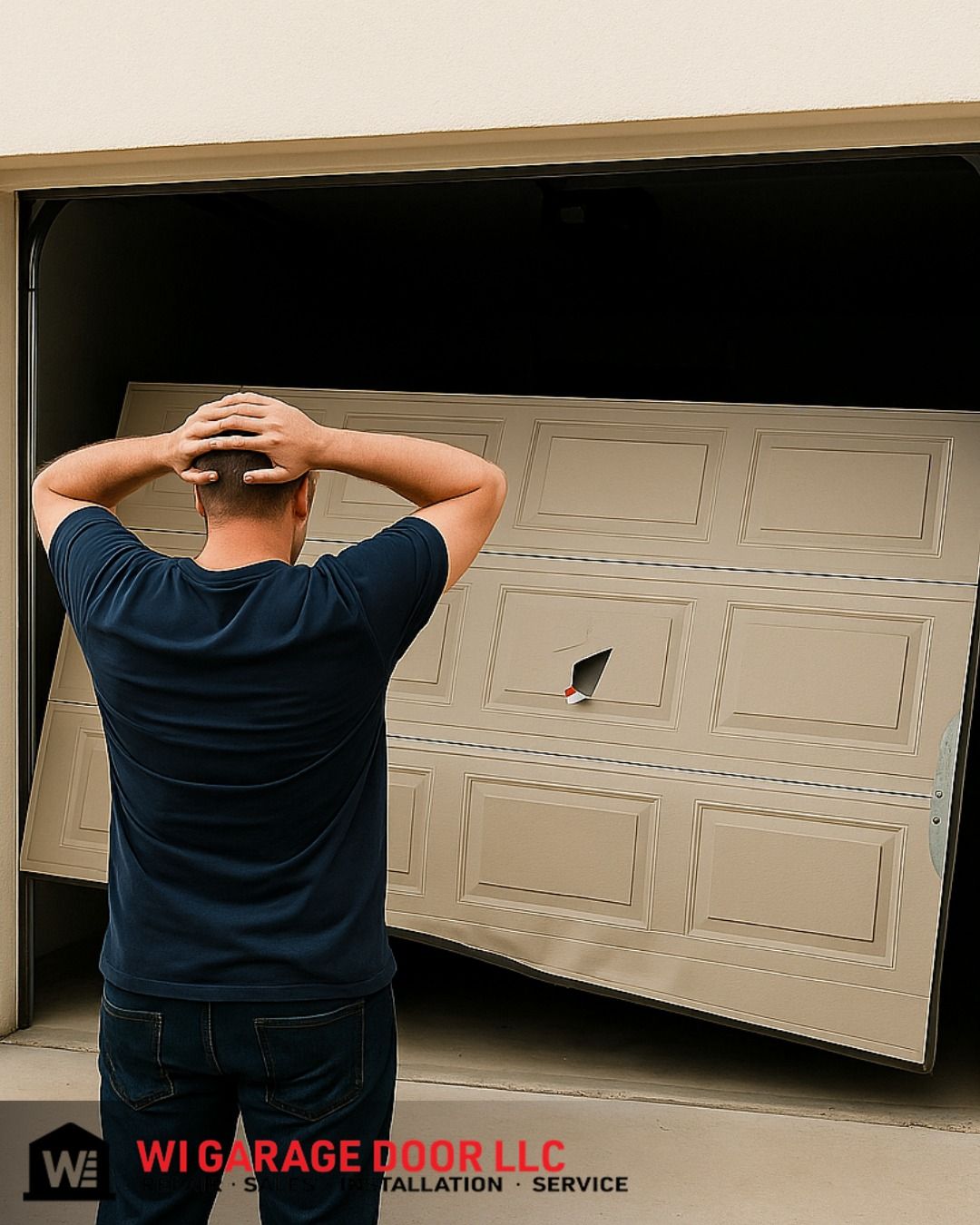
Vertical and horizontal tracks guide your garage door's movement from the closed position to fully open. The vertical tracks run alongside the door opening, while the horizontal tracks extend along the garage ceiling. These tracks must remain properly aligned and free from obstructions to ensure smooth operation. Any bending, damage, or misalignment in the tracks can cause binding, uneven movement, or complete door failure.
Rollers
Rollers are small wheels mounted on both sides of each door panel that ride within the tracks. These components enable the smooth, quiet movement of your door as it opens and closes. Rollers come in different materials including steel, nylon, and plastic, with nylon rollers generally providing the quietest operation. Over time, rollers wear out and require replacement to maintain optimal door performance.
The Spring System: The Heart of Your Garage Door
Torsion Springs
Torsion springs are the most common type used in modern residential garage doors. These springs are mounted horizontally above the door opening on a metal shaft. When the door closes, the springs wind up and store energy. When you open the door, the springs unwind and release this stored energy, helping to lift the heavy door with minimal effort from the opener motor or manual operation.
Torsion springs are rated for a specific number of cycles, typically 10,000 to 15,000 for standard residential applications. High-cycle springs offering 25,000 to 100,000 cycles are available for homeowners who want extended service life. Proper spring tension is critical for safe, balanced door operation, and this is something that should only be adjusted by trained professionals due to the extreme forces involved.
Extension Springs
Extension springs are an alternative spring system found on some garage doors, particularly older models or doors in garages with low headroom. These springs are installed along the upper horizontal tracks on both sides of the door and stretch as the door closes. When the door opens, the springs contract and provide lifting force. Extension springs typically include safety cables running through their centers to prevent injury if a spring breaks.
The Cable System
Steel cables work in conjunction with the springs to provide controlled lifting and lowering of your garage door. The cables attach to the bottom of the door and run through the track system to drums mounted on the spring shaft. As the door moves, the cables wind and unwind on these drums, ensuring even movement on both sides of the door. Frayed, damaged, or broken cables require immediate professional attention to prevent door failure and potential injury.
The Opener System
The Motor Unit
The garage door opener motor is typically mounted to the ceiling in the center of the garage. This unit contains the motor, drive mechanism, and control circuitry that powers your door's automatic operation. Modern openers include sophisticated electronics that monitor door position, control force limits, and integrate with safety systems to prevent accidents.
Drive Systems
Garage door openers use one of several drive systems to move the door. Chain drives use a metal chain similar to a bicycle chain and are reliable and economical, though they can be noisy. Belt drives replace the chain with a rubber belt, providing much quieter operation that's ideal for homes with living space above the garage. Screw drives use a threaded steel rod and require less maintenance but may not perform well in extreme temperatures. Direct drive systems have the motor travel along the rail, offering the quietest operation available.
Remote Controls and Wall Panels
Modern garage door systems include multiple ways to control operation. Handheld remote controls use radio frequency signals to communicate with the opener, with many systems supporting multiple remotes for different family vehicles. Wall-mounted control panels inside the garage provide convenient access and often include features like vacation lock modes and light controls. Many contemporary systems also offer smartphone connectivity through Wi-Fi-enabled openers or add-on modules.
Safety Systems
Photoelectric Sensors
All modern garage doors include photoelectric safety sensors mounted on both sides of the door opening, typically about six inches above the floor. These sensors create an invisible beam across the door opening. If anything interrupts this beam while the door is closing, the system immediately reverses direction to prevent injury or property damage. These sensors are a critical safety feature required by federal law since 1993.
Auto-Reverse Mechanism
In addition to photoelectric sensors, garage doors include a mechanical auto-reverse feature that detects resistance when the door contacts an object during closing. When the opener motor senses this resistance, it automatically reverses direction. This system provides backup protection in case the photoelectric sensors fail or an obstruction enters the door's path below the sensor beam.
Manual Release
Every garage door opener includes an emergency manual release mechanism, typically accessed by pulling a red handle hanging from the opener rail. This release disconnects the door from the opener, allowing manual operation during power outages or opener malfunctions. Understanding how to use this feature is important for every family member, but it's equally important to know never to pull it while the door is moving or in the open position, as this can cause the door to fall.
How the System Works Together
Opening Cycle
When you activate your garage door opener, whether by remote control, wall button, or smartphone app, the opener motor engages and begins pulling the chain or belt along its rail. This movement transfers through the trolley mechanism to the door arm connected to the top door panel. As the motor pulls, the springs begin unwinding and releasing their stored energy, providing most of the actual lifting force.
The door travels smoothly upward along the vertical tracks, with the rollers gliding within the track channels. As the door reaches the curve where vertical tracks transition to horizontal, the panels bend at the hinges to follow the track path. The springs continue assisting throughout this movement, ensuring smooth, controlled operation. When the door reaches the fully open position, limit switches signal the motor to stop, and the door remains held in place by the spring tension and track system.
Closing Cycle
During closing, the process reverses. The opener motor changes direction, and the trolley pushes the door arm downward. The springs begin winding up as the door descends, storing energy for the next opening cycle. The photoelectric sensors remain active throughout the closing movement, ready to trigger reversal if any obstruction enters the door's path.
As the door approaches the fully closed position, it contacts the floor or weather seal, and the motor senses this resistance through its force monitoring system. The motor stops when the door reaches the correct closed position as determined by the limit switch settings. Proper limit adjustment ensures the door closes completely without the motor straining against the floor.
Balance and Adjustment
The Importance of Proper Balance
A properly balanced garage door should stay in place when manually stopped at any point in its travel. You can test this by disconnecting the opener using the manual release and carefully lifting the door halfway. A balanced door will remain stationary, while an unbalanced door will fall or rise on its own. Imbalance indicates spring problems that put excessive strain on the opener motor and can lead to premature failure of various components.
Professional Adjustment
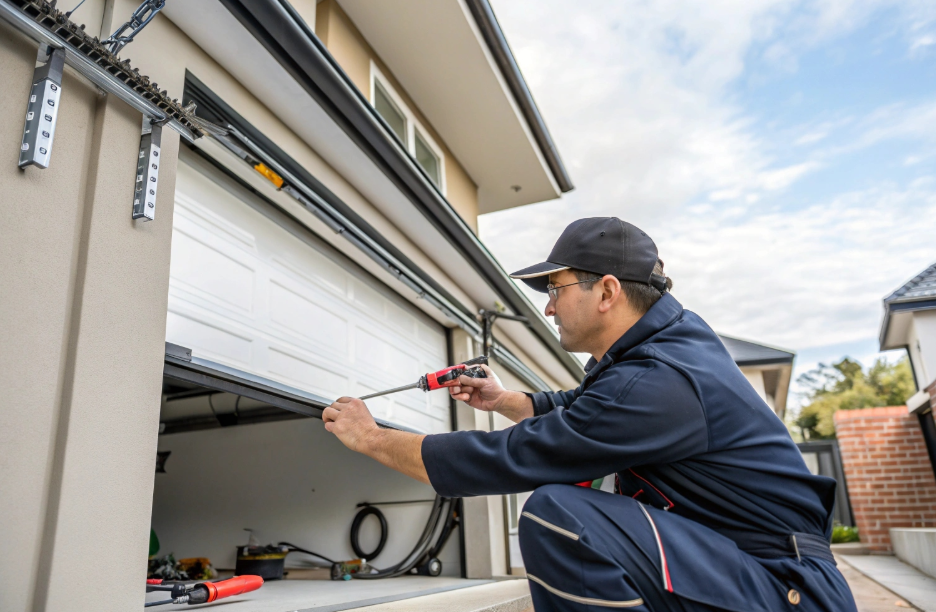
Spring tension adjustment and door balancing require specialized knowledge and tools. The forces involved in spring systems are extremely dangerous – torsion springs can store hundreds of pounds of energy. Attempting DIY spring adjustment has resulted in serious injuries and even deaths. Professional technicians like those at WI Garage Door LLC have the training, experience, and equipment necessary to safely adjust springs and ensure proper door balance.
Common Operational Issues
Door Won't Open or Close
When your door refuses to operate, several factors could be responsible. Dead remote batteries are the simplest cause, but sensor misalignment, broken springs, disconnected cables, or opener motor failures can also prevent operation. Systematic troubleshooting helps identify the specific problem, starting with the simplest possibilities and progressing to more complex issues.
Uneven Movement
If your door moves unevenly or binds during operation, track alignment problems, worn rollers, or spring imbalance are likely culprits. Continuing to operate a door with these symptoms can cause additional damage to components and potentially create safety hazards. Professional inspection and repair prevent minor problems from escalating into major failures.
Excessive Noise
While some operational noise is normal, excessive grinding, squealing, or rattling indicates problems requiring attention. Worn rollers, insufficient lubrication, loose hardware, or worn chain/belt drives commonly cause noise issues. Regular maintenance including proper lubrication and hardware tightening prevents many noise problems and extends component life.
Maintenance for Optimal Performance
Regular Lubrication
Proper lubrication is essential for smooth, quiet garage door operation. Apply silicone-based or lithium-based lubricant to springs, hinges, rollers, and tracks several times per year. Avoid using heavy grease or WD-40, which attract dust and can cause buildup. Light application to all moving parts reduces friction, minimizes wear, and extends component lifespan.
Visual Inspections
Monthly visual inspections help identify developing problems before they cause failures. Look for signs of wear on springs and cables, check that all hardware remains tight, examine rollers for damage or excessive wear, and verify that tracks remain properly aligned. Early detection of problems allows for planned maintenance rather than emergency repairs.
Testing Safety Features
Regular testing of your door's safety systems ensures they function properly when needed. Test photoelectric sensors monthly by waving an object through the beam while the door closes – it should immediately reverse. Test the auto-reverse by placing a solid object like a block of wood on the floor in the door's path. The door should reverse when it contacts the object. If either safety feature fails these tests, call for professional service immediately.
When to Call Professionals
Spring and Cable Issues
Any problems involving springs or cables require professional attention. The extreme forces in these components make DIY repairs extremely dangerous. Professional technicians have the specialized tools and training necessary to safely address spring and cable problems without risking injury or property damage.
Opener Malfunctions
While some opener problems like dead batteries or simple programming issues can be addressed by homeowners, motor failures, circuit board problems, and drive system damage require professional diagnosis and repair. Attempting repairs without proper knowledge can worsen the problem or create safety hazards.
Track Damage
Bent, damaged, or severely misaligned tracks need professional correction. Operating a door with damaged tracks can cause additional problems throughout the system and potentially lead to complete door failure. Professional assessment determines whether track adjustment or replacement is necessary.
Conclusion
Understanding how your garage door operates empowers you to maintain it properly, identify problems early, and make informed decisions about repairs and upgrades. While the system may seem complex, breaking it down into its individual components and understanding how they work together demystifies the mechanics. Regular maintenance, prompt attention to developing problems, and professional service when needed keep your garage door operating safely and reliably for years. When you need expert assistance with your garage door system, WI Garage Door LLC provides comprehensive service from routine maintenance to complete system replacement. Our experienced technicians understand every aspect of garage door operation and can address any issue with professionalism and expertise. Contact us today for all your garage door service needs.
Our Services