Garage Door Repair – How to Fix Common Snags
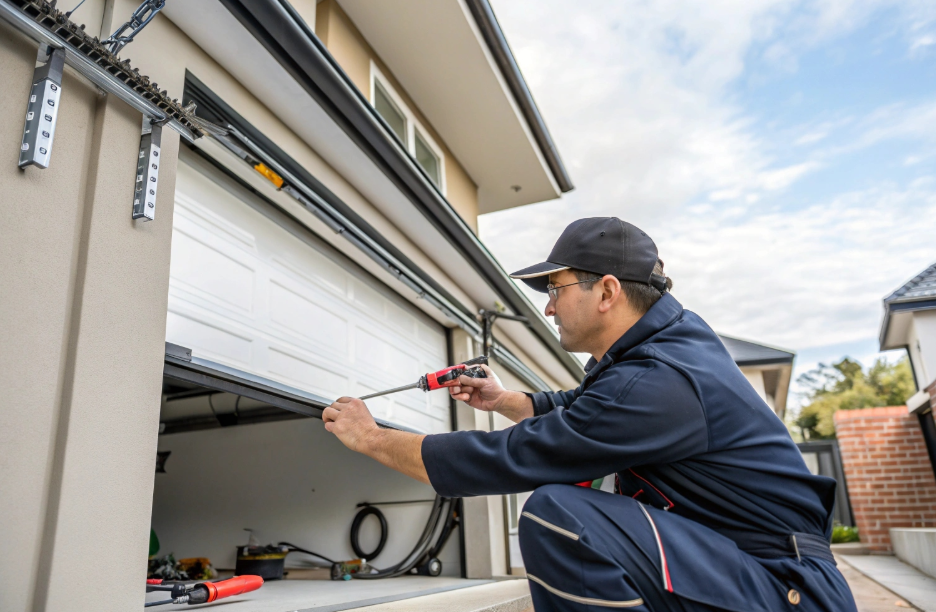
Keeping your home safe is important, and a garage door repair can help to do that. If you need to fix your garage door, you'll want to know the best ways to do it. Using the right tools and addressing common snags can mean the difference between a faulty door and a properly repaired door.
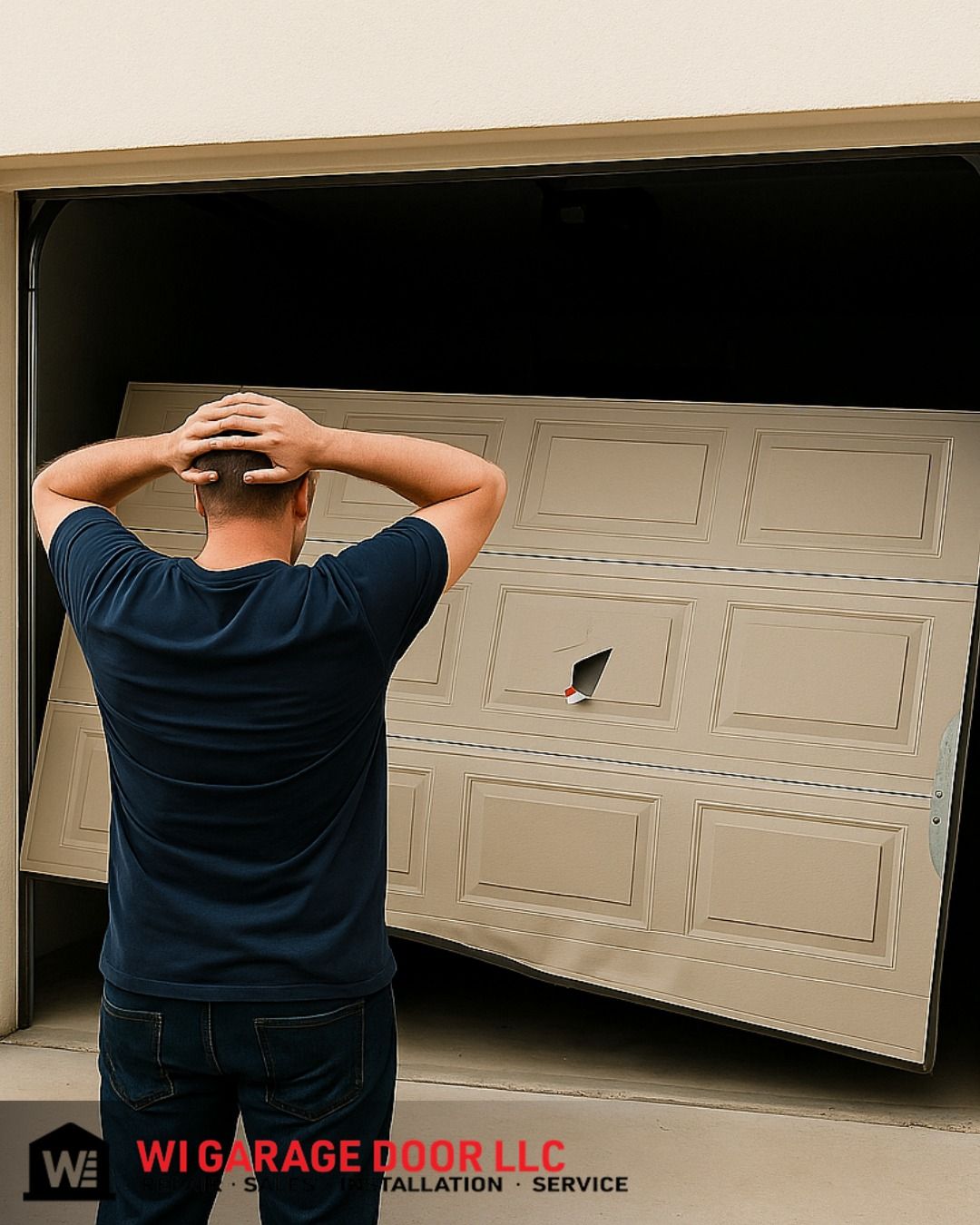
Garage doors are complex systems with multiple components working together. When problems arise, knowing how to identify and address common issues helps you maintain a safe, functional garage door. This comprehensive guide will walk you through the most frequent garage door snags and their solutions.
Timing and Preparation
First and foremost, you'll need to set aside a good chunk of time for the task. A good time to do it is during the colder months, when the door will be harder to slide. In addition, if you've got a door opener, you'll need to make sure that it is properly aligned and that it has a photoelectric sensor that can stop the door from closing if the electric beam is broken.
Proper preparation is essential for successful garage door repairs. Before beginning any work, ensure you have adequate lighting, all necessary tools readily available, and a clear workspace. Understanding safety protocols is crucial, especially when working with high-tension components like springs.
The photoelectric sensors are critical safety features that prevent the door from closing on people, pets, or objects. These sensors create an invisible beam across the door opening. If anything interrupts this beam while the door is closing, the door should automatically reverse. Regular testing ensures these sensors function correctly.
For comprehensive guidance on various repair approaches, read our article on getting garage door repairs done right the first time.

Understanding Component Limitations
It's also a good idea to have a good understanding of what's possible and what's not. For example, you can't just replace the springs if you have a torsion spring unit. You'll have to remove several parts, including the motor, to do so. If you're feeling especially adventurous, you can order a new motor online.
Torsion spring systems are more complex than extension spring systems. The torsion spring mounts on a rod above the door and winds tightly to counterbalance the door's weight. Replacing these springs requires removing the spring itself, potentially adjusting cables, and ensuring proper tension—all tasks that require specialized knowledge and tools.
Motor replacement might seem straightforward, but modern garage door openers integrate multiple systems including the motor, circuit board, sensors, and safety features. Understanding how these components interact helps prevent creating new problems while fixing existing ones.
Circuit Board Replacement
The circuit board holds the lightbulb and wire terminals. You'll need a bit of patience to replace the board. You'll also need a 1/4-inch nut driver.
Circuit board issues often manifest as intermittent operation, complete opener failure, or problems with remote controls and wall switches. The circuit board is the brain of your opener system, controlling all electronic functions including motor operation, sensor monitoring, and wireless communication.
When replacing a circuit board, photograph the existing wiring configuration before disconnecting anything. This documentation proves invaluable during reassembly. Label wires if necessary to ensure correct reconnection. Incorrect wiring can damage the new board or create safety hazards.
Before replacing the circuit board, verify that the problem isn't actually a simpler issue like a blown fuse, tripped circuit breaker, or loose wire connection. Sometimes what appears to be board failure is actually a basic electrical problem with an easy fix.
Lubrication and Maintenance
There's also a good chance that you'll need to lubricate your garage door opener's rollers, belt, and pulleys. You'll find that using a quality lubricant is the best way to ensure that you're not hearing any grinding noises. Ideally, you'll use a lubricant that is dirt repellant, which will also prevent any unwanted noises from the chains and rollers.
Proper lubrication is one of the most important yet often overlooked maintenance tasks. Regular lubrication reduces friction, minimizes wear, extends component life, and keeps the door operating quietly. Different components require different lubrication approaches.
For rollers, apply lubricant directly to the bearings if they have exposed bearing surfaces. Nylon rollers typically require less lubrication than metal rollers. For hinges and springs, apply lubricant along the length of the spring coils and at hinge pivot points. Avoid over-lubrication, which attracts dirt and dust.
Silicone-based or lithium-based lubricants work best for garage doors. Avoid WD-40 or general-purpose oils, which can attract debris and break down over time. Professional-grade garage door lubricants are formulated specifically for the harsh conditions and temperature variations garage doors experience.
Track Alignment Issues
Misaligned tracks are among the most common garage door snags. Tracks guide the door's movement and must be perfectly aligned for smooth operation. Signs of track problems include the door sticking at certain points, loud scraping noises, or visible gaps between rollers and tracks.
Track alignment issues often result from loose mounting brackets, impact damage, or gradual settling of the building structure. Even small misalignments create significant operational problems because the door's weight magnifies any irregularity in the track system.
Professional technicians use precision measuring tools to verify track alignment. They check vertical alignment (ensuring tracks are plumb), horizontal alignment (confirming proper spacing), and ensure tracks are level. Attempting track adjustment without proper tools and knowledge can worsen the problem.
For more detailed information about addressing various garage door problems, check our guide on essential garage door repair tips.
Remote Control and Keypad Problems
Remote control and keypad issues frustrate homeowners but often have simple solutions. Common problems include weak or dead batteries, programming issues, interference from other devices, or damaged transmitter components.
Start troubleshooting by replacing batteries in both remotes and keypads. If the problem persists, try reprogramming the remote following manufacturer instructions. Most modern openers allow multiple remotes and can have programming reset if needed.
Interference from nearby electronic devices, LED lightbulbs, or other garage door openers can disrupt wireless communication. If your remote works only when very close to the door, interference or weak signal strength may be the culprit.
When to Call Professionals
While understanding common snags helps you maintain your garage door, many repairs require professional expertise. Spring replacement, cable work, major track adjustments, and structural repairs should always be handled by qualified technicians.
Professional service provides proper diagnosis, safe repair procedures, quality parts, and comprehensive warranties. Attempting complex repairs without proper training puts you at risk of injury and may cause additional damage to your door system.
Understanding the full benefits of professional garage door service helps you make informed decisions about when to DIY and when to call experts. Read our comprehensive guide on the key benefits of hiring professional garage door repair services.
Cost Considerations
When evaluating whether to repair or replace components, consider both immediate costs and long-term value. Sometimes investing in quality parts or professional installation costs more upfront but saves money over the door's lifetime.
Factors affecting repair costs include component prices, labor requirements, urgency of the repair, and whether additional damage has occurred. Understanding these factors helps you budget appropriately and avoid unnecessary expenses.
For detailed information about garage door cost considerations and making cost-effective decisions, explore our article on choosing the most cost-effective garage door solutions.
Conclusion
Fixing common garage door snags requires understanding your door's components, recognizing problems early, and knowing when professional help is needed. While some maintenance tasks are appropriate for homeowners, complex repairs should be left to qualified technicians who can ensure safe, proper repairs.
Regular maintenance, prompt attention to problems, and professional service when needed keep your garage door operating safely and reliably for years. For expert garage door repair services in the Green Bay area, visit our services page to schedule an appointment with WI Garage Door LLC's experienced technicians.