Signs It's Time for a Garage Door Spring Replacement
Recognizing when your garage door springs need replacement is crucial for maintaining both safety and functionality. Springs are the hardest-working components of your garage door system, bearing the full weight of the door through thousands of opening and closing cycles. Over time, these springs wear out, and knowing the warning signs can prevent dangerous failures and costly emergency repairs.
This comprehensive guide helps you identify the critical signs that indicate spring replacement is needed, understand when to call professionals, and learn how regular inspection can prevent unexpected breakdowns. Remember: recognizing these signs is safe and important—attempting spring replacement yourself is extremely dangerous and should always be left to certified professionals.
Visual Signs of Spring Wear
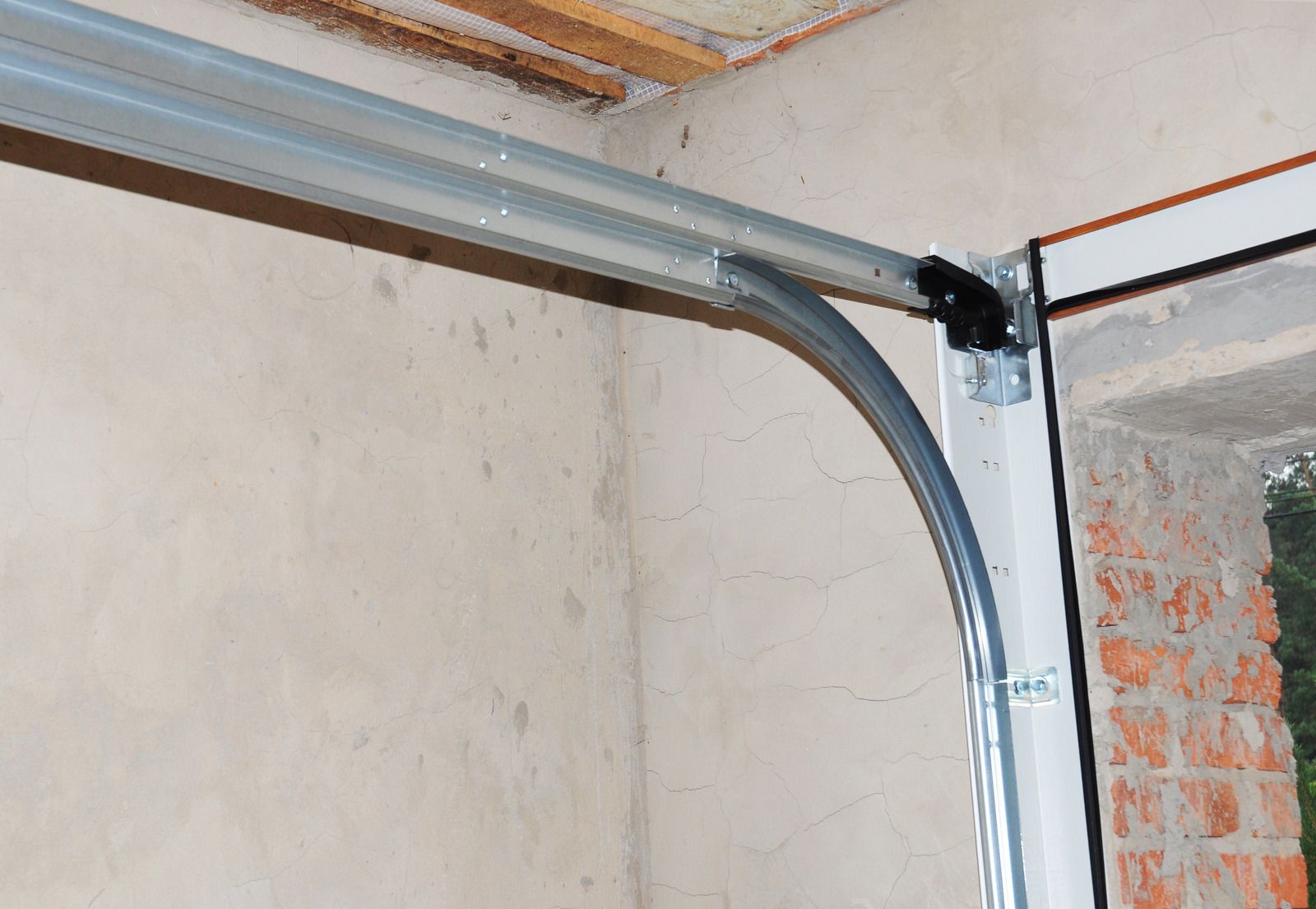
The most obvious indicators of spring wear are visible changes to the springs themselves. Look for gaps between the coils—when springs stretch from use, you'll notice separation that wasn't there originally. These gaps indicate the spring has lost tension and is nearing failure. Rust formation is another critical sign, as corrosion weakens the metal and accelerates spring breakdown.
Check for unusual stretching or deformation. Springs should maintain consistent coil spacing and shape. If you notice one spring looks different from the other, or if the coils appear uneven, this signals deterioration. Additionally, look for visible breaks or cracks—though if you see these, the spring has already failed and requires immediate professional replacement.
Paint flaking or chipping on springs often indicates metal fatigue. While cosmetic, it suggests the spring has been cycling long enough to show age. Learn about understanding the different types of garage door springs for replacement to identify your system correctly.
Operational Warning Signs
Beyond visual inspection, how your door operates reveals spring condition. If your garage door struggles to open, opens very slowly, or stops partway up, weakening springs are likely the cause. The door may feel extremely heavy when you manually lift it—a clear sign the springs aren't providing proper counterbalance.
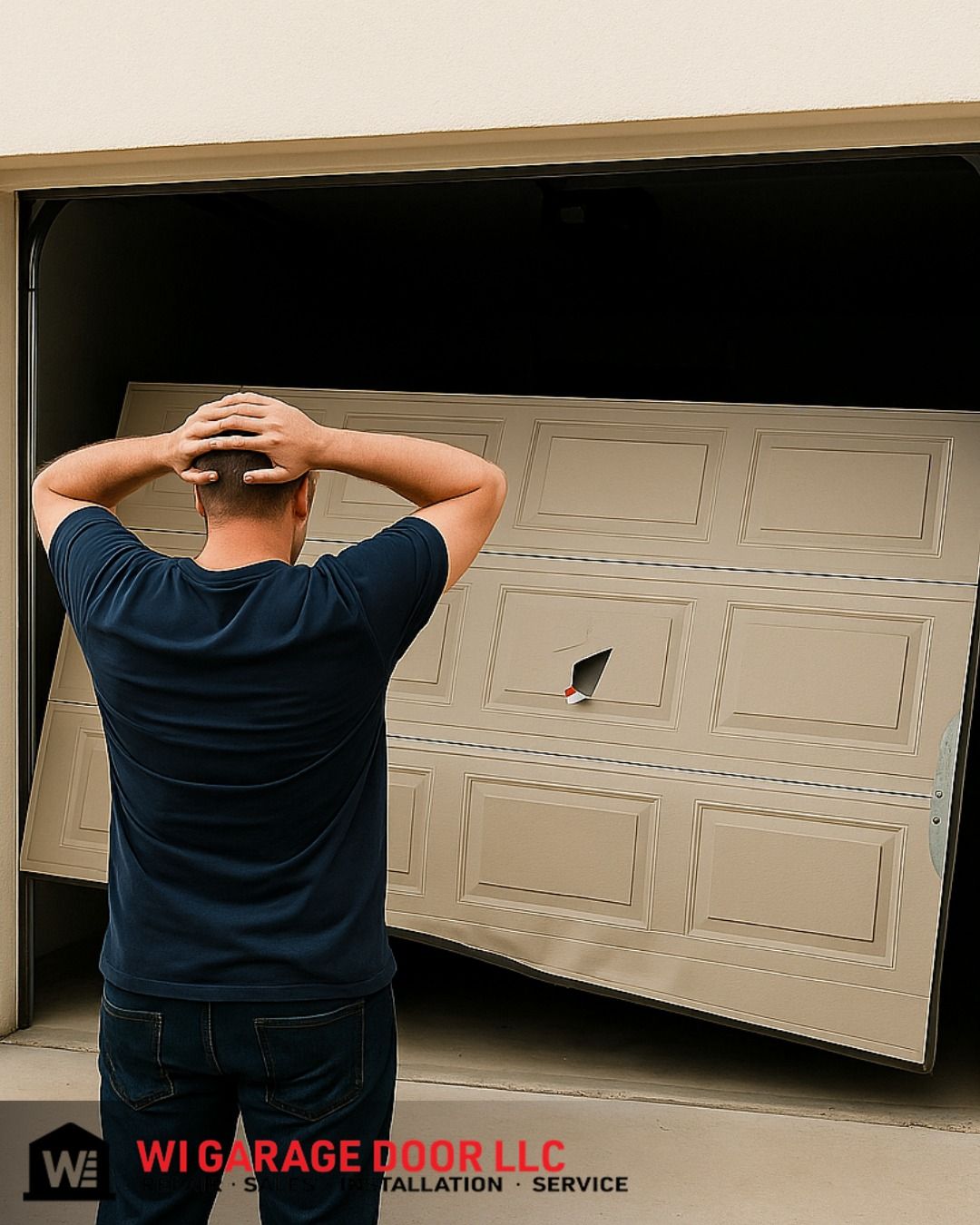
Doors that close too quickly or slam shut indicate spring failure. Without proper spring tension, the full weight of the door crashes down, creating dangerous conditions and damaging the door itself. Additionally, if your door appears crooked or uneven during operation, one spring may have failed while the other still functions—an unsafe condition requiring immediate professional attention.
Listen for unusual sounds. Loud popping or snapping noises during operation often signal imminent spring failure. Squeaking and grinding can indicate worn rollers or hinges, but when combined with operational issues, they suggest spring problems. Understand what common garage door noises mean for repairs to diagnose issues accurately.
The Balance Test
The simple balance test reveals spring condition without dangerous spring manipulation. Disconnect your garage door opener by pulling the red emergency release cord. Manually lift the door about halfway and gently release it. If springs are properly balanced, the door stays in place. If it falls, springs are weak or broken. If it rises, they're over-tensioned.
This safe test should be performed monthly as part of routine maintenance. It's completely safe because you're not touching the springs themselves—just testing the door's behavior. However, if the test reveals imbalance, stop using the door and call professionals immediately. Learn how to spot when your garage door springs need replacing through regular testing.
Age and Cycle Count Considerations
Even without obvious symptoms, spring age matters. Standard residential springs last 10,000-15,000 cycles (roughly 7-10 years for typical households). High-cycle springs last 25,000-30,000 cycles but cost more initially. Track your door's age and usage to anticipate replacement needs proactively.
If you use your garage door multiple times daily, springs wear faster than average. Commercial or high-traffic residential doors may need replacement every 3-5 years. Extreme temperature fluctuations also accelerate wear. Understanding garage door spring replacement cost helps you budget for inevitable replacement.
When to Call Professionals Immediately
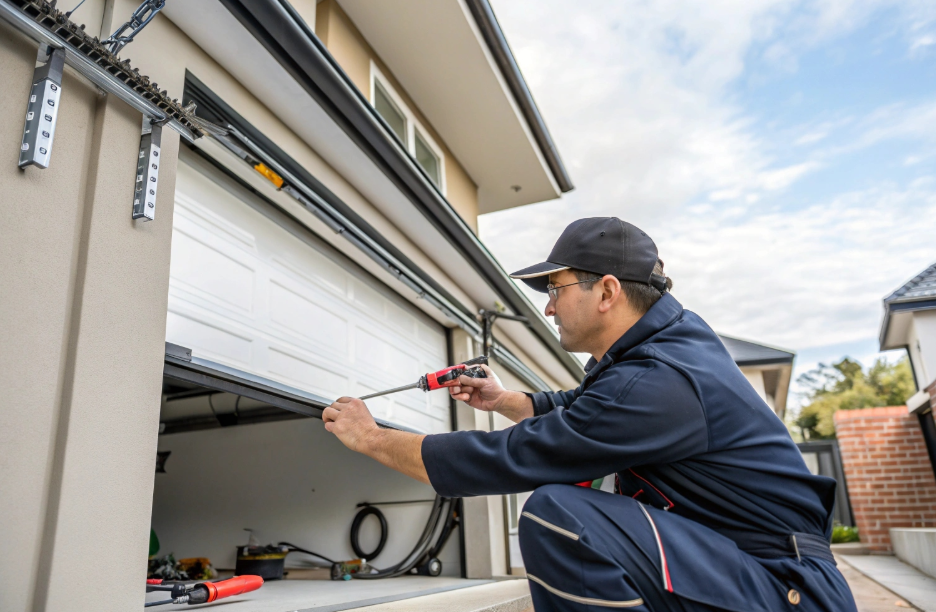
Certain situations demand immediate professional service. If you hear a loud bang or snap from your garage, a spring has likely broken—stop using the door immediately. If the door won't open at all, or if it's stuck partially open, don't attempt to force it. These situations are dangerous and require expert intervention.
Similarly, if your door shows any signs of falling, uneven operation, or if the opener motor runs but the door doesn't move, call professionals right away. Never attempt to open or close a door with broken springs—the full weight could cause serious injury or property damage. Learn when to call for garage door repair to ensure your safety.
Conclusion
Recognizing the signs that your garage door springs need replacement protects your safety and prevents emergency situations. Regular visual inspections, monthly balance testing, and awareness of operational changes help you identify problems early. However, remember that identifying these signs is where homeowner responsibility ends—actual spring replacement must always be performed by certified professionals due to extreme danger involved. When you notice any warning signs, contact qualified technicians immediately to ensure safe, reliable spring replacement.