Signs Your Garage Door Springs Are Worn and Need Replacement
Recognizing the early signs of worn garage door springs is essential for preventing sudden breakdowns and costly repairs. As one of the most critical components of your garage door system, springs bear the full weight of your door and enable smooth operation through thousands of cycles.
Over time, springs lose tension, leading to imbalances and operational issues that can compromise both safety and functionality. Understanding these warning signs helps homeowners take proactive action before minor issues escalate into major problems.
Common indicators include slow or jerky door movements, unusual noises, or visible gaps in the spring coils. If your garage door feels heavier than usual or doesn't stay open properly, these are key signs that professional attention is needed.
Early detection connects with broader maintenance strategies covered in topics like spring performance impacts and proper tension maintenance.
Understanding Spring Wear Patterns
Garage door springs undergo tremendous stress during normal operation, cycling through expansion and contraction thousands of times throughout their service life. This constant mechanical stress gradually weakens the metal, leading to predictable wear patterns that observant homeowners can recognize.
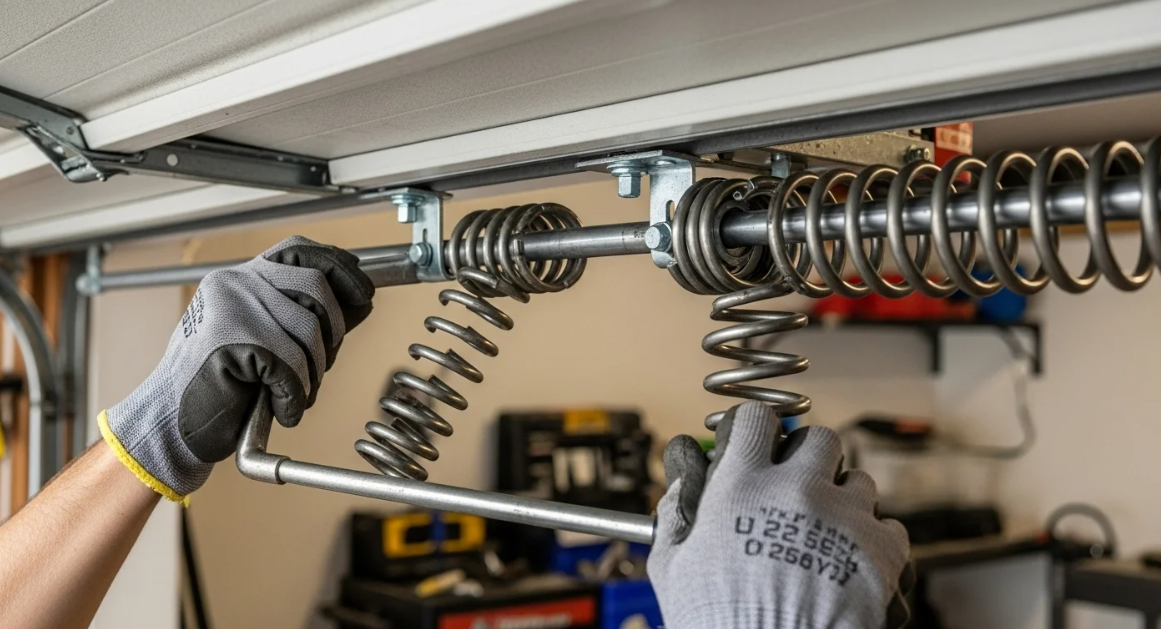
Different types of springs exhibit different wear characteristics. Torsion springs typically show signs of fatigue through coil separation or metal fatigue, while extension springs may develop stress fractures or lose their springback capability. Understanding your spring type helps identify the specific warning signs to monitor.
Environmental factors also influence wear patterns. Temperature extremes, humidity, and salt exposure accelerate spring degradation, making regular inspection even more critical in challenging climates. Professional technicians understand these patterns and can predict remaining service life based on visible wear indicators.
Unusual Noises and Visual Signs
A telltale sign of spring wear is squeaking or grinding noises when opening or closing your garage door. These sounds occur when springs struggle to handle the door's weight efficiently, creating friction and stress in the mechanical system.
Similarly, visible issues such as rust, deformation, or gaps in the coils signal compromised performance. Rust indicates metal deterioration that weakens spring integrity, while deformation shows that the spring has exceeded its elastic limit and can no longer return to its original shape.
Key Visual and Auditory Warning Signs:
• Squeaking, grinding, or popping sounds during operation
• Visible rust or corrosion on spring surfaces
• Gaps appearing between spring coils
• Springs appearing stretched or deformed
• Uneven spring tension between left and right sides
• Metal shavings or debris near spring assemblies
If you observe these problems, it's time to contact a professional technician for a comprehensive inspection. Worn springs are more prone to sudden breakage, which can render the garage door inoperable and potentially cause serious safety hazards.
Operational Performance Changes
Changes in your garage door's operational characteristics often provide the earliest indication of spring problems. A properly functioning spring system should make door operation feel effortless, whether using the automatic opener or manual operation.
When springs begin to weaken, you'll notice the door moving more slowly or requiring more effort to lift manually. The automatic opener may struggle, making unusual sounds or taking longer to complete its cycle. These performance changes indicate the springs are no longer providing adequate counterbalance.
Performance Indicators of Spring Wear:
• Door opening or closing more slowly than normal
• Increased effort required for manual operation
• Opener motor working harder or overheating
• Jerky or uneven movement during operation
• Door vibrating or shaking during movement
• Inconsistent performance between opening and closing
Reduced Performance and Sudden Breakdowns
Another major indicator of worn springs is the garage door not staying open when lifted manually. This issue arises when the springs can no longer counterbalance the door's weight effectively, creating a dangerous situation where the door may fall unexpectedly.
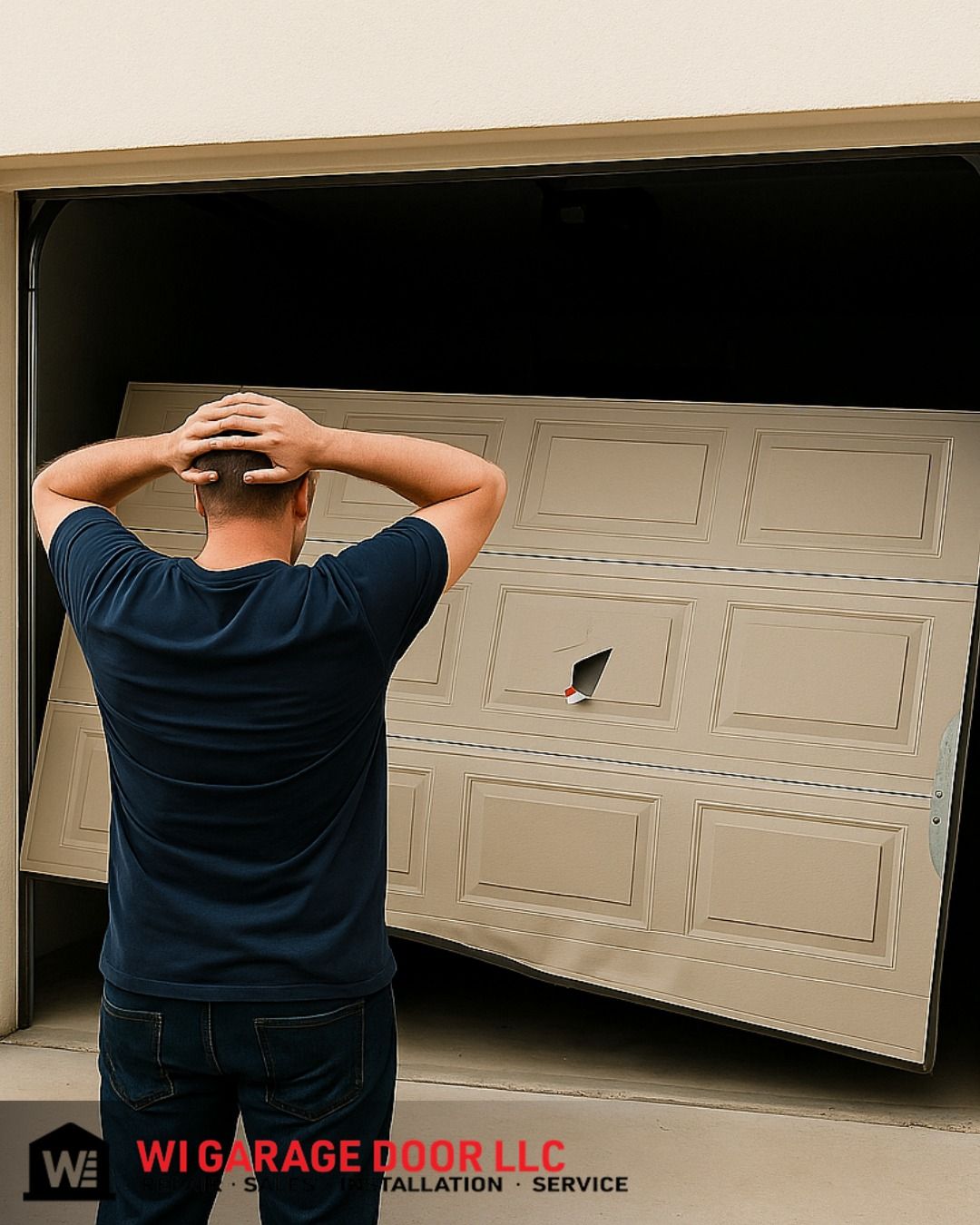
In extreme cases, broken springs may cause the door to slam shut unexpectedly, posing a serious danger to people, pets, or vehicles in the vicinity. The tremendous force involved in garage door operation makes spring failure a significant safety concern that requires immediate professional attention.
Door balance problems also place additional stress on other system components, accelerating wear on tracks, rollers, hinges, and the opener motor. This cascade effect means that delaying spring replacement often leads to more extensive and expensive repairs throughout the entire system.
Safety Implications of Worn Springs
Worn garage door springs create serious safety risks that extend beyond simple operational inconvenience. A failing spring system can cause sudden, uncontrolled door movement that poses immediate danger to anyone in the garage area.
The forces involved in garage door operation are substantial, with typical residential doors weighing 150-400 pounds. Without proper spring support, this weight becomes a falling hazard that can cause severe injury or property damage. Children and pets are particularly vulnerable to these risks.
Additionally, the opener's safety features may not function correctly with a compromised spring system. Automatic reverse mechanisms and force sensors rely on predictable door behavior that worn springs can't provide, potentially compromising these critical safety systems.
These safety considerations align with comprehensive safety practices discussed in essential safety guidelines and emergency safety procedures.
Professional Assessment and Diagnosis
While homeowners can identify many warning signs of spring wear, professional assessment provides the expertise needed to determine the exact condition and remaining service life of your springs. Professional technicians use specialized tools and knowledge to evaluate spring performance accurately.
A comprehensive assessment includes measuring spring tension, evaluating wear patterns, checking mounting hardware, and testing overall system balance. This thorough evaluation helps determine whether adjustment, repair, or replacement provides the best solution.
Professional Assessment Components:
• Precise spring tension measurement and testing
• Comprehensive wear pattern analysis
• System balance and alignment evaluation
• Safety feature functionality verification
• Remaining service life estimation
• Preventive maintenance recommendations
Professional diagnosis also identifies potential problems with related components that might affect spring performance, ensuring comprehensive system evaluation rather than focusing solely on the springs themselves.
Timing Replacement for Optimal Results
The timing of spring replacement significantly affects both safety and cost considerations. Waiting until complete failure often results in emergency service calls, higher costs, and potential damage to other system components.
Proactive replacement based on early warning signs allows for planned service that minimizes disruption and ensures optimal system performance. Professional technicians can schedule replacement during convenient times while springs still function, avoiding emergency situations.
Quality replacement springs, properly installed and adjusted, can provide years of reliable service while protecting other system components from premature wear. This investment in timely replacement often prevents more extensive repairs later.
Spring replacement timing connects with broader maintenance strategies covered in professional service benefits and comprehensive maintenance planning.
Prevention and Maintenance Strategies
While springs will eventually require replacement, proper maintenance can maximize their service life and help identify problems early. Regular inspection and care help ensure optimal performance throughout the spring's operational lifespan.
Environmental protection measures, appropriate lubrication, and professional maintenance visits all contribute to spring longevity. Understanding these preventive measures helps homeowners protect their investment while maintaining safe operation.
Spring Maintenance Best Practices:
• Monthly visual inspections for wear and damage
• Annual professional system evaluations
• Proper lubrication of moving components
• Environmental protection from extreme conditions
• Prompt attention to operational changes
• Documentation of maintenance activities and findings
Addressing spring wear signs promptly and maintaining your garage door system properly ensures safe, reliable operation while protecting your investment. Regular professional service helps identify spring problems before they compromise your door's overall performance and safety, allowing for planned replacement that minimizes costs and maximizes system reliability.